Collectible markets often rise on hype but fall when supply overwhelms demand or tastes shift unexpectedly. During 2024–25, several once-hot categories saw steep declines as buyers became more cautious and speculators pulled out. Many items that once fetched impressive prices now sell for a fraction of their peak, leaving collectors surprised by how quickly value evaporated. These ten examples highlight how even beloved collectibles can suffer sharp drops when markets correct and nostalgia fades.
1. Modern Funko Pops
Modern Funko Pops saw one of the steepest declines as collectors realized just how many millions of units were produced annually. Figures that sold for $30–$40 in 2021 often resell for only $3–$8 in 2024–25, with over 75% of listings sitting unsold for weeks. Oversupply, repetitive variants, and declining novelty contributed to a value collapse, especially for standard releases. Even some once-premium exclusives dropped by more than 60%, leaving shelves and secondary markets packed with unwanted stock.
2. 1980s–90s Mass-Produced Sports Cards
Sports card markets cooled sharply as collectors confronted the massive print runs of the 1980s and 1990s. Cards once valued at $20–$50 now routinely sell for $1–$2, with graded PSA 9 copies often closing below grading fees. Auction data shows average resale prices dropping nearly 45% year-over-year, particularly for baseball and basketball commons. While rare rookie cards still hold demand, the majority of “junk wax era” cards were produced in quantities exceeding 1–2 million per player, crushing overall scarcity and long-term value.
3. Non-Key Vintage Comic Books
Vintage comic books without key first appearances or major story arcs lost momentum as collectors focused only on high-grade, high-impact issues. Many non-key titles that sold for $15–$25 a decade ago now struggle to bring in $3–$5, with median values dropping by roughly 40% in 2024. Large resale lots of 20–50 comics often close for under $1 per book, reflecting weak demand. With circulation numbers often exceeding 100,000 copies, oversupply continues to keep prices depressed across most mid-century runs.
4. Longaberger Baskets
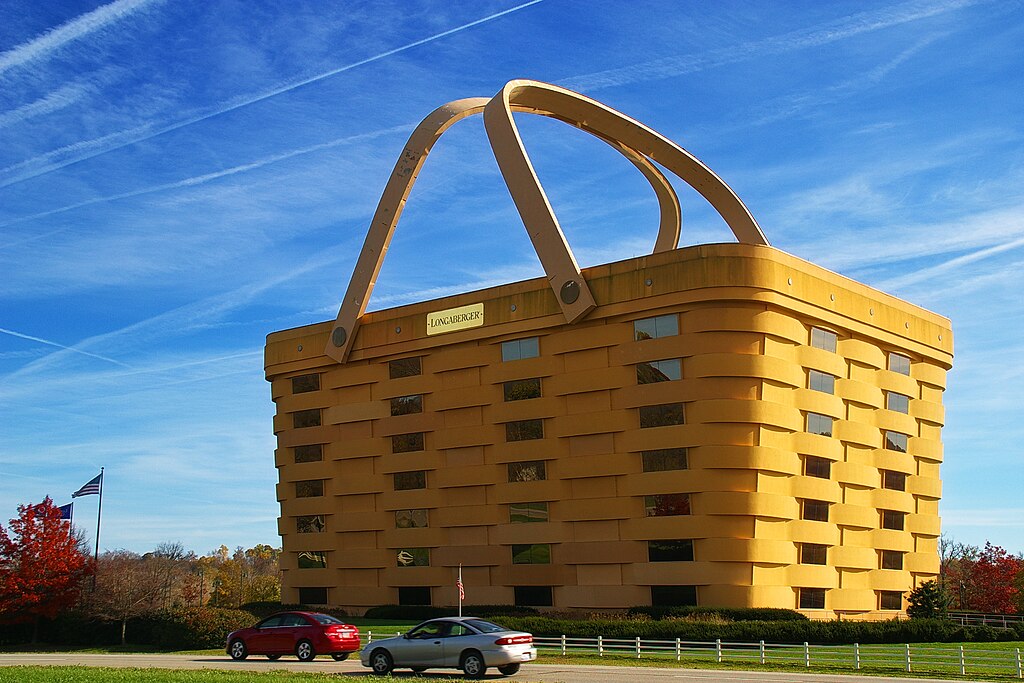
Longaberger baskets, once premium handcrafted items, saw market values fall sharply after years of overproduction. Baskets that originally retailed for $80–$120 typically resell for just $10–$20, representing a drop of nearly 80%. Estate sales frequently report unsold inventory, and online marketplaces show more than 60,000 listings at any time. The brand’s 2018 collapse reduced collector confidence, while younger buyers showed little interest in decorative woven pieces, further pushing prices down throughout 2024–25.
5. Limited-Edition Collector Plates
Collector plates marketed heavily in the 1980s and 1990s have become one of the weakest categories. Even “limited editions” originally priced at $40–$60 often sell for $2–$6, with many going unsold entirely. Resale data from 2024 shows declines of 70–85% across most brands. Millions of units were printed despite the “limited” label, removing the scarcity buyers expected. Thrift stores report receiving hundreds per month, and estate liquidators increasingly bundle them in bulk just to clear space.
6. Porcelain Figurines (Hummel, Lladro Commons)

Porcelain figurines long symbolized careful craftsmanship, yet values plunged as aesthetic preferences changed. Many standard Hummel figurines that once fetched $100–$150 now sell for $15–$25, an approximate 80% decline. Marketplaces show a consistent oversupply of more than 30,000 listings at any given time. Younger generations rarely decorate with display figurines, causing demand to collapse. Only rare or discontinued pieces maintain value, while common models dropped to their lowest prices in decades during 2024–25.
7. Non-Rare Barbie and Production Dolls
Non-rare Barbie dolls and mass-produced collector editions lost substantial value as the resale market became saturated. Dolls originally priced at $30–$70 frequently resell for $5–$12, with clearance lots selling for under $3 per unit. Analysts estimate that over 90% of 1990s collector dolls have dropped below their original retail price. Even boxed, pristine-condition dolls struggle because tens of thousands of identical units still circulate, leaving only early-era or special-run Barbies holding steady value.
8. Pop-Culture Memorabilia (Non-Rare Toys & Tie-Ins)
Movie tie-ins, action figures, and merchandise from the 1990s–2000s saw values tank as collectors realized the massive production volume behind them. Many items that once sold for $25–$40 now struggle to reach $5–$10, a decline of roughly 70%. Even sealed toys show limited demand unless tied to major franchises or rare variants. With estimated production counts reaching hundreds of thousands per release, scarcity all but disappeared, causing prices to fall sharply throughout 2024–25.
9. Common VHS Tapes
Most VHS tapes aside from extremely rare or horror-genre titles, lost nearly all resale value. Tapes that previously sold for $8–$15 now often list for $1–$2, with bulk lots selling at 10–20 cents per tape. Only a tiny fraction of titles exceed $50, representing less than 1% of the market. As streaming and digital formats dominate, collectors show minimal interest in mainstream VHS releases. Tens of millions of surviving copies continue to flood donation centers and online marketplaces.
10. Mid-Century Stamp Collections
General mid-century stamp collections dropped significantly as the hobby’s collector base aged. Albums that once appraised at $100–$200 now sell for $15–$30, with many lots closing even lower. Only rare misprints or historically significant issues maintain strong demand. Standard stamps from the 1950s–1970s were produced in the tens of millions, eliminating meaningful scarcity. Market data from 2024 indicates price declines averaging 50–70%, reflecting shrinking interest among younger hobbyists.