


Not all museums are quiet halls of traditional art and history. Some celebrate the bizarre, the whimsical, and the downright unexpected. From collections of hair to exhibits of heartbreak, these strange museums invite curiosity and wonder, offering glimpses into human creativity, obsession, and humor. Exploring them is like stepping into a world where the unusual becomes educational, and the peculiar becomes fascinating, proving that the boundaries of a museum are only limited by imagination.
1. Museum of Bad Art, Massachusetts, USA

The Museum of Bad Art turns failure into fascination, celebrating artworks that are technically flawed but irresistibly compelling. Each piece is selected for its creativity, uniqueness, and unintended humor, reminding visitors that art is not only about skill but also about expression and imagination. By elevating the imperfect, the museum challenges traditional notions of taste and beauty while creating a space where laughter, curiosity, and admiration coexist in equal measure, making mistakes memorable.
2. Sulabh International Museum of Toilets, Delhi, India
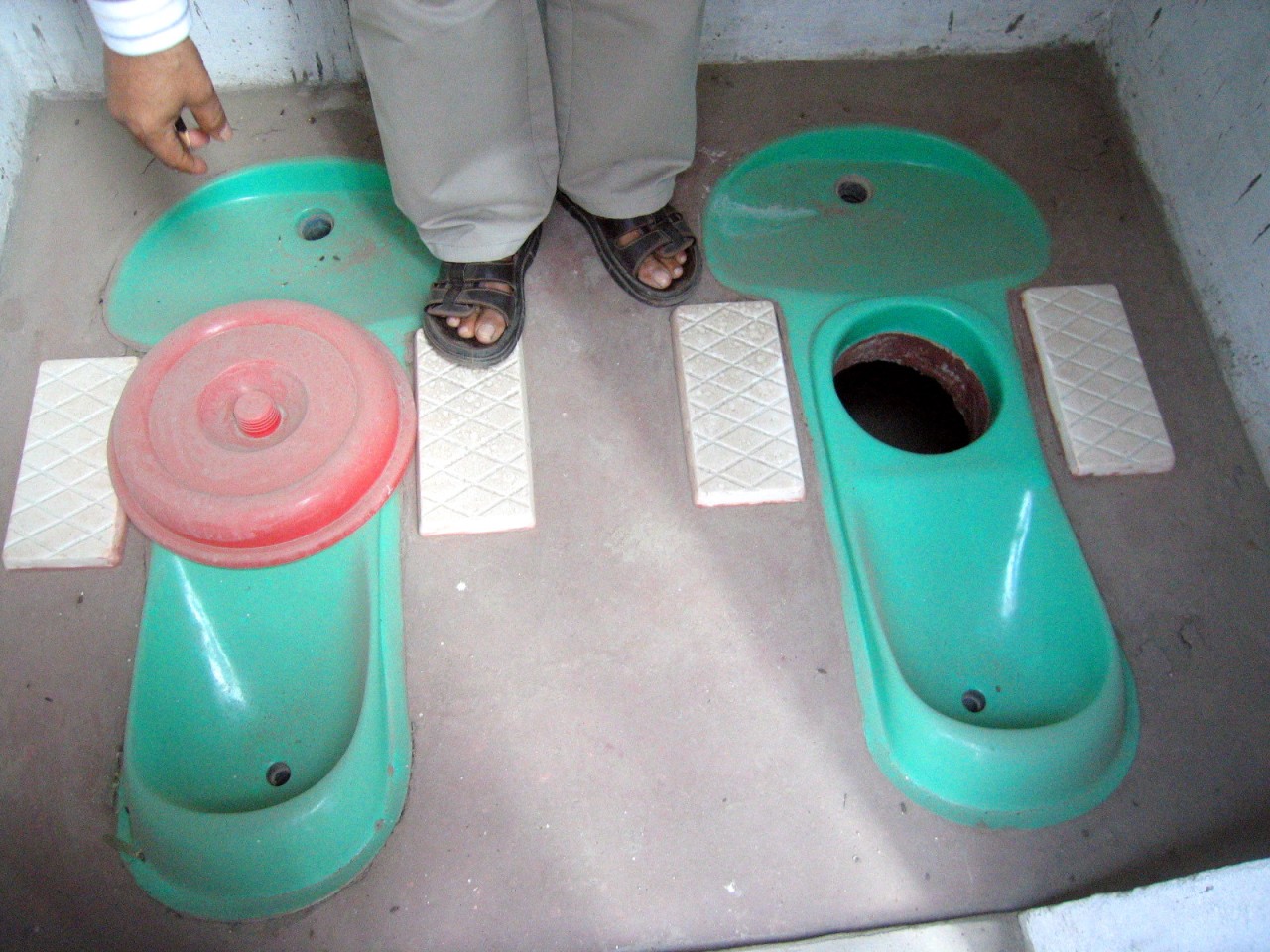
This unusual museum explores 4,500 years of sanitation history, from ancient toilets to modern innovations. It showcases toilets from diverse cultures and eras, highlighting how hygiene shaped civilization and public health. Beyond humor and novelty, the museum educates visitors about sanitation engineering, cultural practices, and technological evolution. By turning a typically taboo topic into an engaging and informative exhibit, it demonstrates how everyday objects can reveal social history, innovation, and human ingenuity.
3. CupNoodles Museum, Yokohama, Japan

The CupNoodles Museum celebrates one of the world’s most popular convenience foods, combining food science, culture, and creativity. Visitors can design their own CupNoodles, explore the invention of instant ramen, and learn about the global impact of fast, accessible meals. The museum highlights how a simple idea revolutionized modern cuisine while encouraging hands-on engagement. It’s a playful yet educational space that transforms a common snack into a story of human innovation, cultural influence, and interactive fun.
4. The Icelandic Phallological Museum, Reykjavik, Iceland
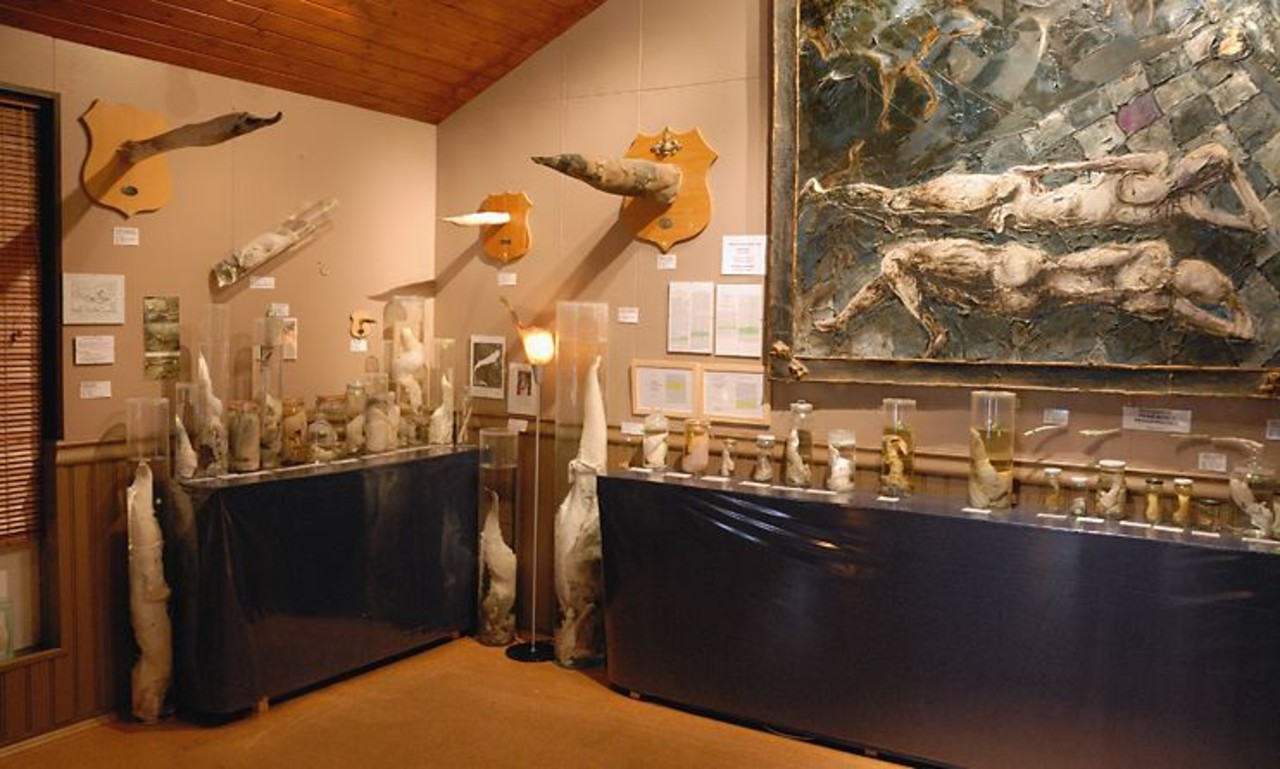
This museum houses a comprehensive collection of penises from land and sea mammals, offering scientific, cultural, and humorous perspectives on anatomy. It presents specimens from various species along with detailed information about reproductive biology and folklore. By confronting taboos and sparking curiosity, it encourages visitors to think critically about natural history, evolution, and cultural attitudes toward sexuality. The collection demonstrates that even the most unusual subjects can provide meaningful insights and educational value.
5. The International Banana Museum, Mecca, California, USA
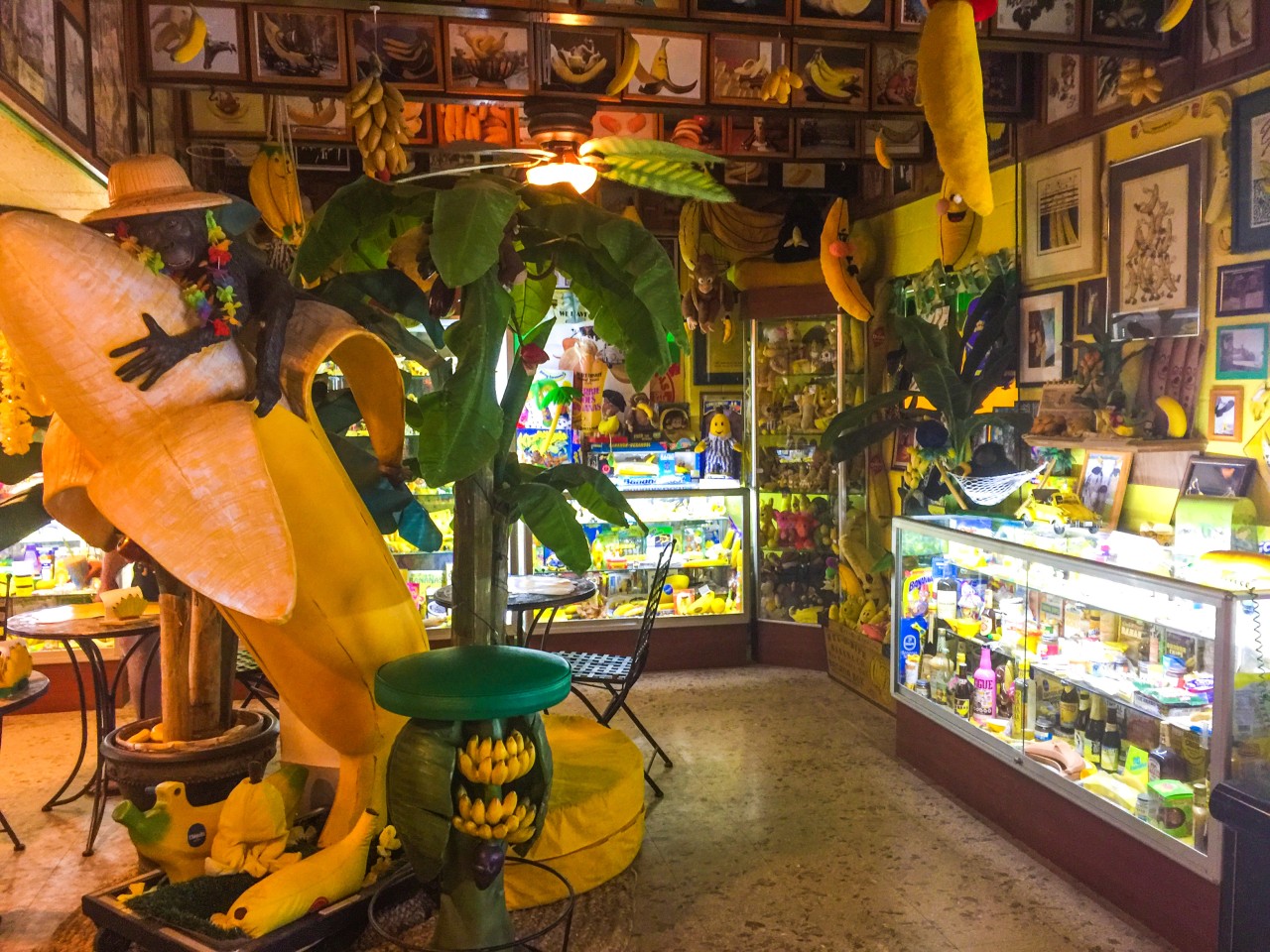
Celebrating all things banana, this museum houses thousands of banana-themed items, from toys and artwork to collectibles and clothing. It examines the fruit’s cultural, commercial, and historical significance while embracing humor and whimsy. Visitors explore the unexpected ways a simple fruit has influenced art, marketing, and popular culture. The museum blends eccentricity with education, showing that even the most ordinary objects can inspire creativity, curiosity, and delight when viewed through a playful, dedicated lens.
6. The Mutter Museum, Philadelphia, USA
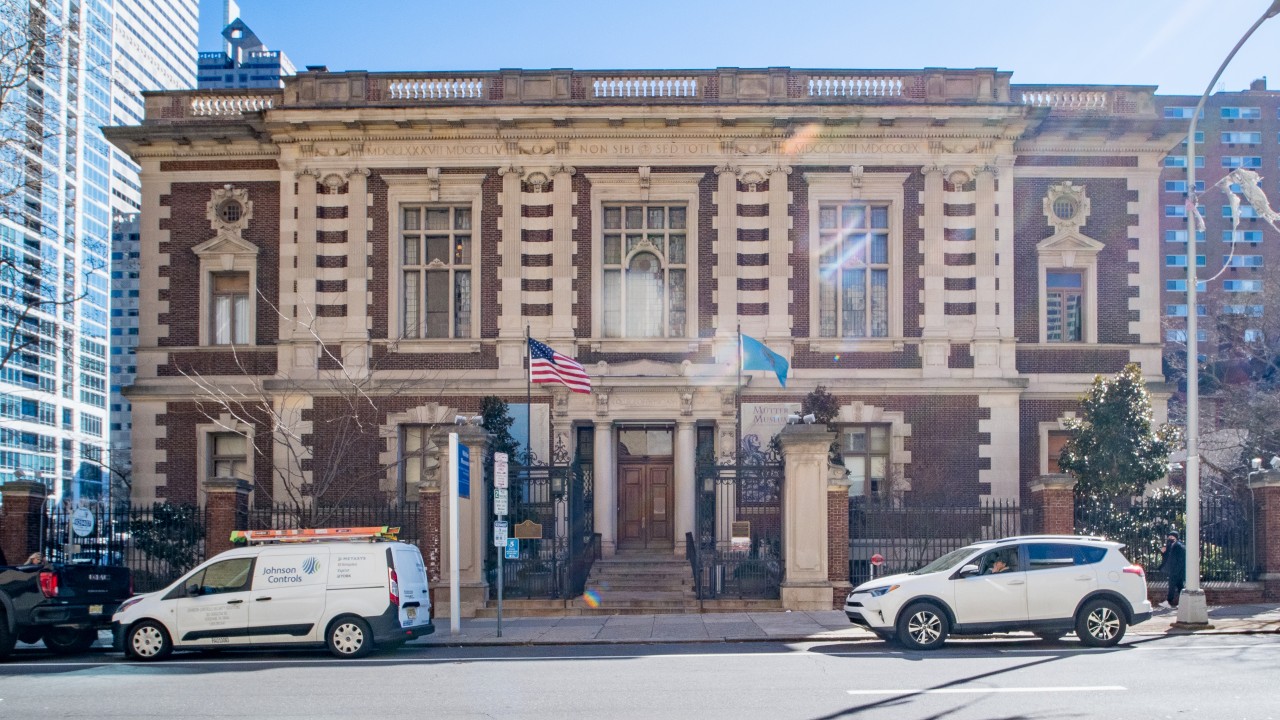
The Mutter Museum is a medical wonderland, exhibiting anatomical specimens, preserved organs, and historical medical instruments. It highlights the evolution of medicine, showcasing rare conditions and pioneering procedures. While some exhibits may seem macabre, they provide invaluable insight into human biology, pathology, and the history of healthcare. Visitors gain a deeper understanding of scientific advancement, seeing how curiosity, observation, and innovation have shaped modern medicine, while confronting the strange and extraordinary realities of the human body.
7. The Paris Sewer Museum, Paris, France
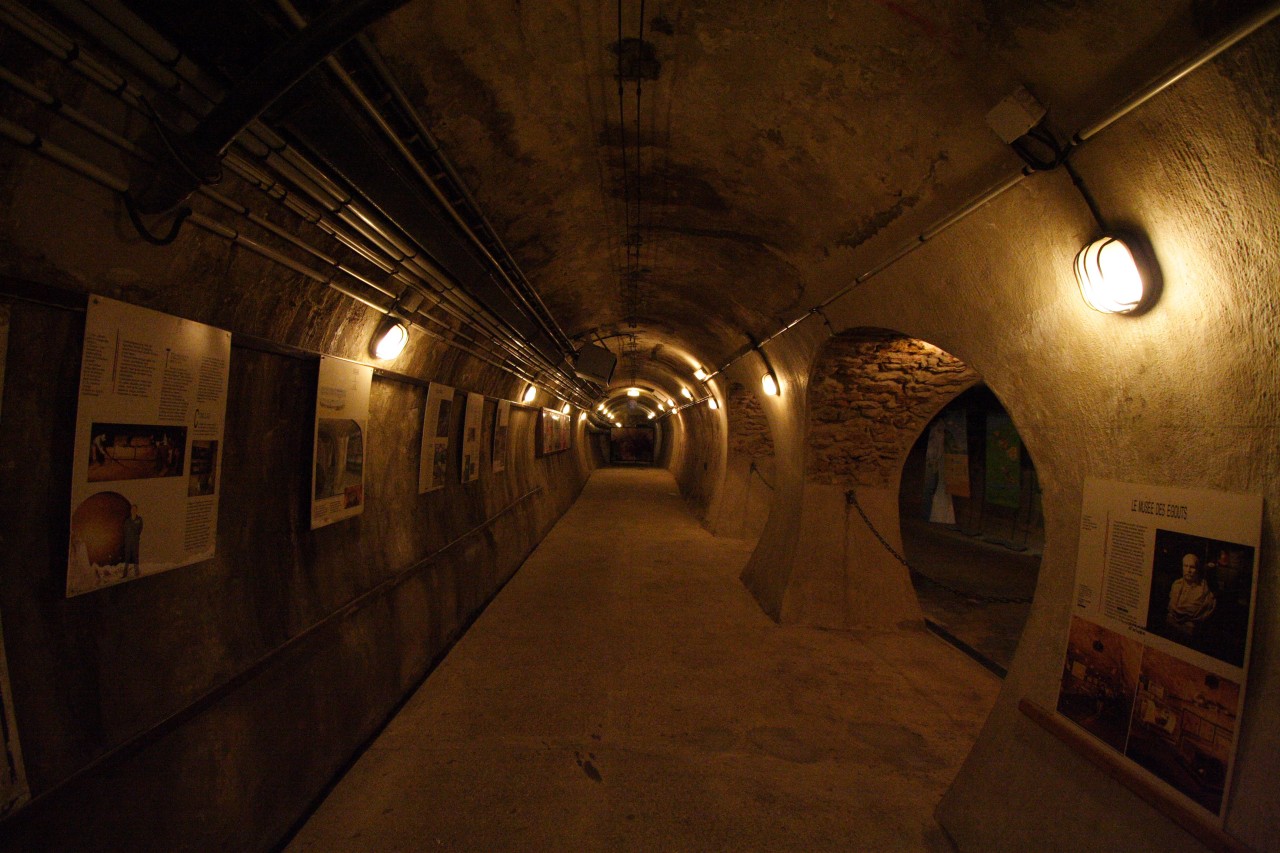
The Paris Sewer Museum transforms an industrial necessity into a historical exploration. Visitors descend into the city’s labyrinthine sewer system, learning about engineering, sanitation, and urban planning that shaped modern Paris. Exhibits highlight 19th-century innovations, public health developments, and the city’s evolving infrastructure. The museum turns something typically hidden and unpleasant into a source of wonder, demonstrating how human ingenuity transforms necessity into an architectural and technological marvel worth exploring.
8. Museum of Broken Relationships, Zagreb, Croatia

This museum explores love and loss through objects left behind in relationships. Each item is accompanied by a story, from letters to quirky mementos, revealing the emotional complexity behind everyday objects. By turning private heartbreak into a public exhibit, the museum fosters empathy and reflection. It demonstrates how human emotions shape our interaction with objects and the power of storytelling in connecting personal experiences to universal themes. Visitors leave understanding that even failure can be meaningful and culturally significant.
9. The Museum of Witchcraft and Magic, Boscastle, England
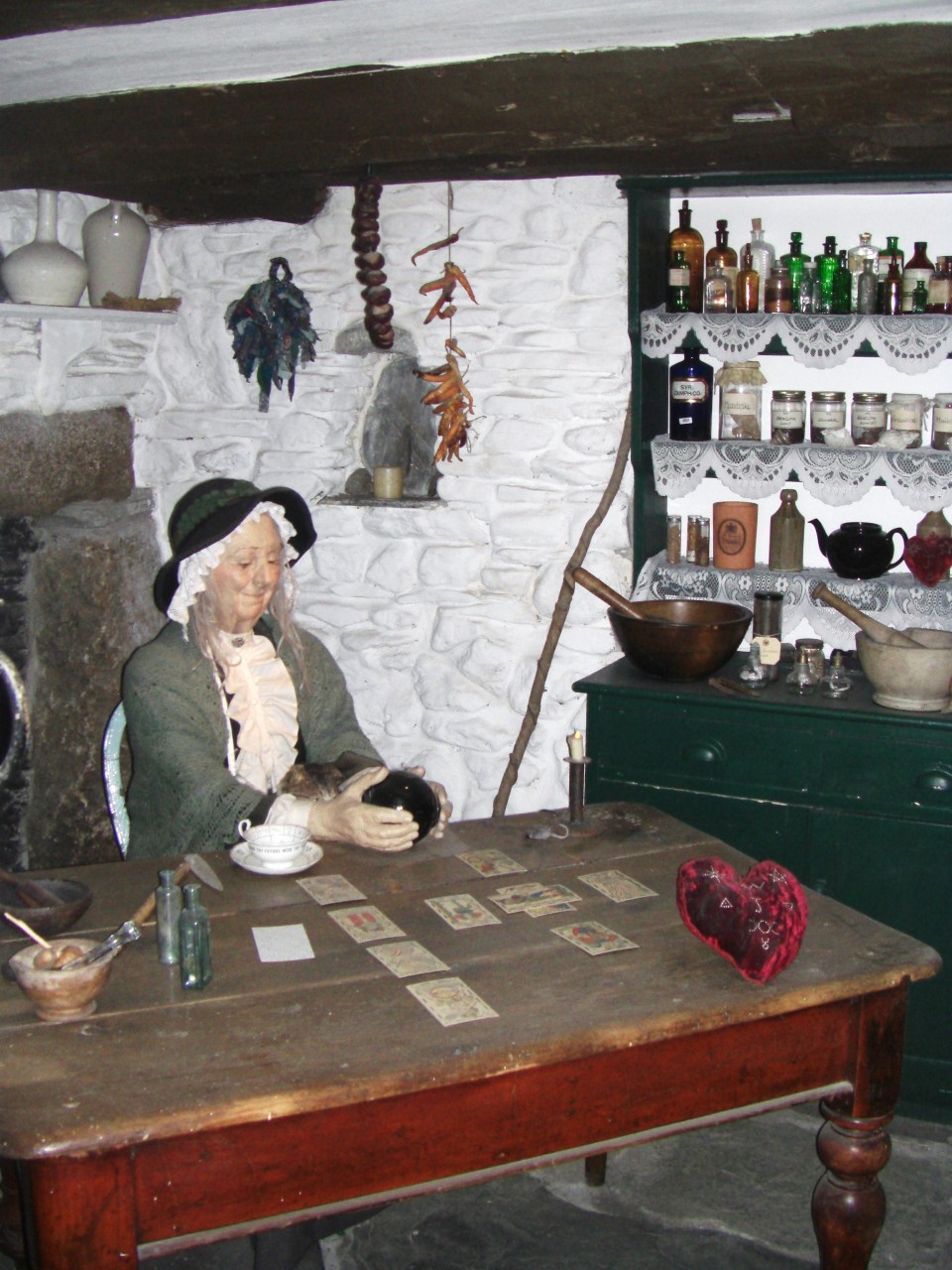
This museum delves into the history of witchcraft, magical practices, and folklore from around the world. Visitors encounter ritual objects, spell books, protective charms, and artifacts tied to superstitions spanning centuries. The collection provides insight into the social, religious, and cultural contexts of magic, exploring both fear and fascination surrounding witches. By combining education with curiosity, the museum invites reflection on humanity’s enduring desire to understand and influence the unseen forces that shape life and culture.
10. The Dog Collar Museum, Kent, England

The Dog Collar Museum, located at Leeds Castle, displays hundreds of collars from various eras, from spiked medieval collars to ornate Victorian designs. It explores the evolving relationship between humans and dogs, highlighting both functional and decorative uses. The collection reflects changing social attitudes, craftsmanship, and cultural values associated with pets. Visitors discover how a seemingly ordinary object carries stories of protection, status, and companionship, revealing the depth and richness behind everyday items often taken for granted.


