

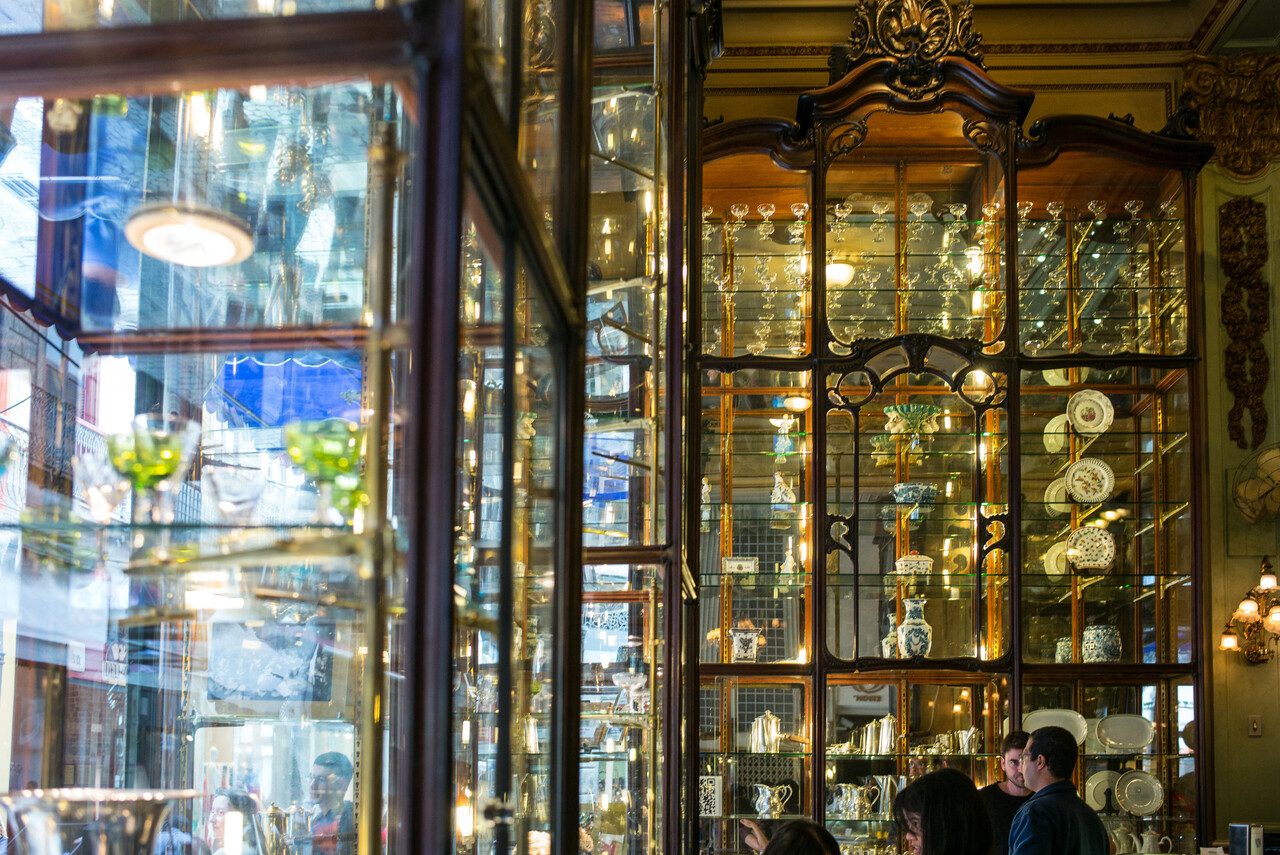
You tend to remember automats as a novelty, but they were once a serious solution to urban life. In cities like New York and Philadelphia, automats fed millions of people efficiently and affordably for decades. Operated most famously by Horn and Hardart, these cafeterias relied on precision, trust, and industrial organization rather than charm. You walked in, dropped coins into slots, and opened glass doors to plated food prepared out of sight. The Smithsonian notes that automats thrived because they matched the pace of early twentieth century city living. They reduced labor costs, standardized meals, and removed social pressure from dining.
1. You trusted strangers to not cheat the system
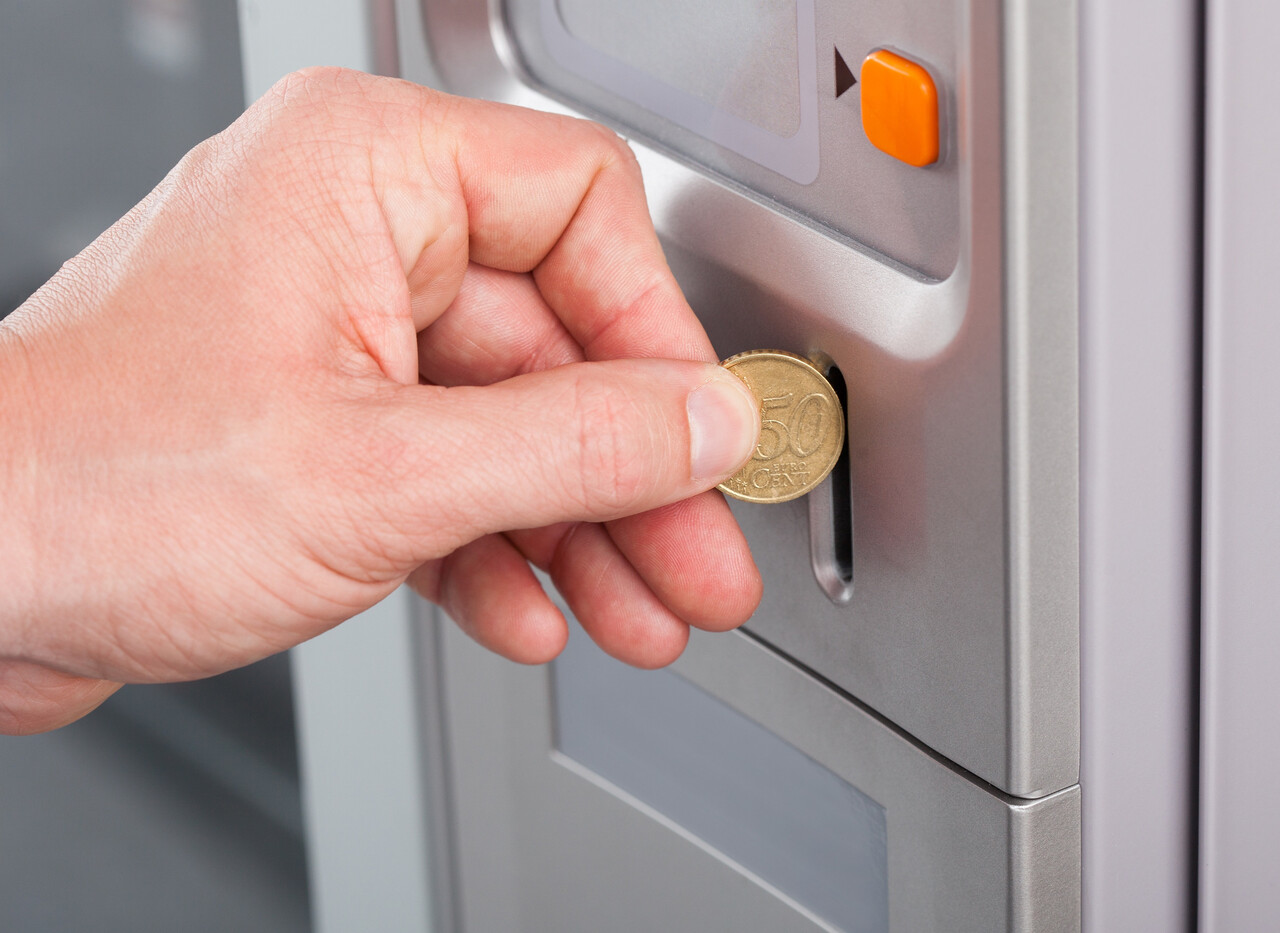
You probably forget how much trust automats required from everyone involved. You inserted real coins, opened a glass door, and took food without supervision. According to New York Public Library archives, theft was surprisingly rare because the design discouraged abuse and reinforced social norms. You could see the food, but not access it without payment. You could see other diners watching casually, which mattered. The system worked because you assumed others would follow the rules and they assumed the same of you. This quiet trust allowed automats to operate with minimal staff on the floor. Long before digital self checkout, you were already practicing shared responsibility in public space.
2. Food freshness depended on constant backstage labor
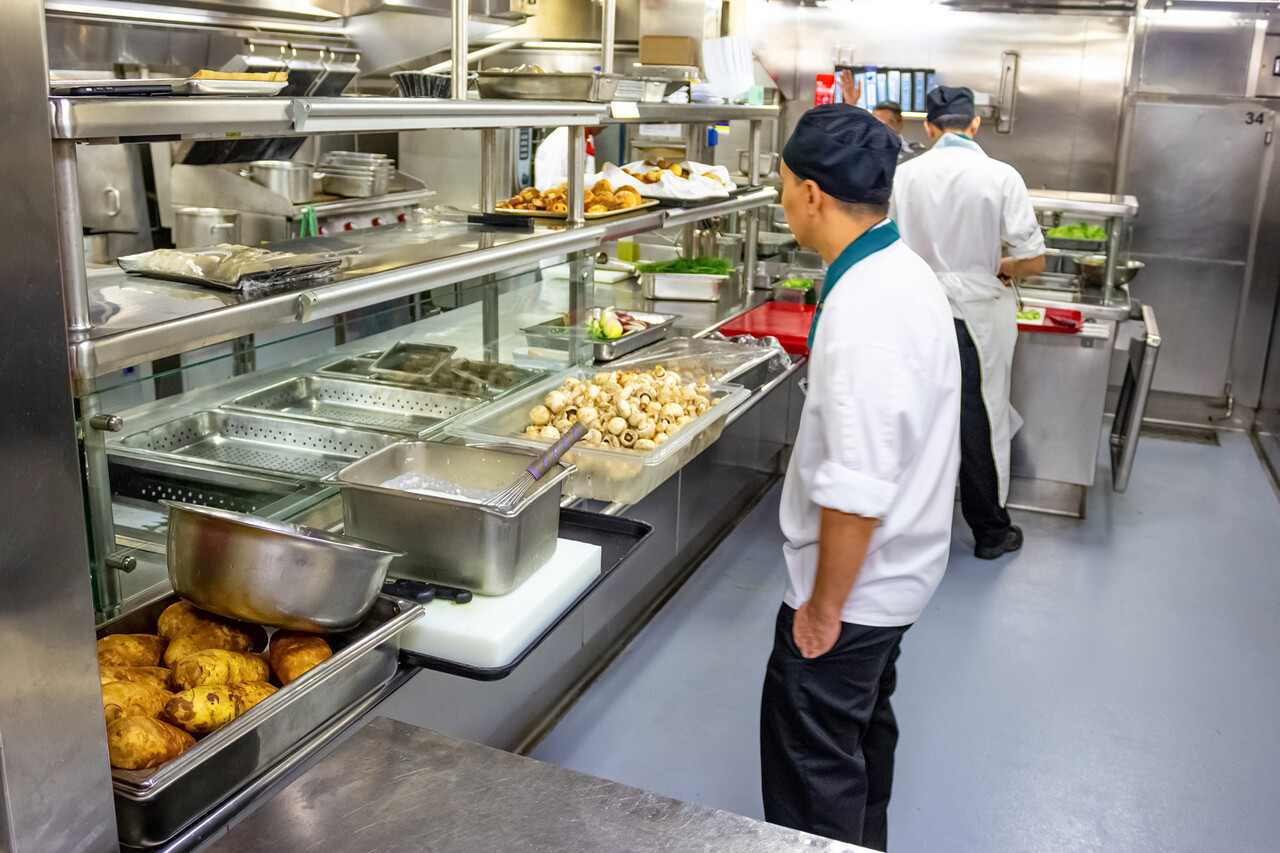
You might assume automats ran themselves, but behind the wall was nonstop human effort. Museum of the City of New York records show that workers refilled compartments every few minutes to keep food fresh and visually appealing. If a dish sat too long, it was removed and discarded. You never saw the labor, which was the point. Clean uniforms, strict timing rules, and standardized recipes ensured consistency. The illusion of automation depended on disciplined human systems. When labor costs rose and expectations changed, that hidden workforce became harder to sustain. The machine only worked because people worked relentlessly behind it.
3. Automats shaped how you expected fast food to function

Before drive through windows and counter service chains, automats trained you to value speed and predictability. You chose food visually, paid instantly, and ate without conversation. Food historians cited by the Smithsonian argue that this experience rewired expectations around dining. You learned that meals did not need ceremony or interaction to be satisfying. Efficiency became normal. The automat also removed social friction. You did not tip, wait for a server, or explain your order. That simplicity influenced later fast food concepts, even if the format changed. When chains promised quick service decades later, you already understood the appeal because automats had normalized it in crowded cities.
4. They were designed to feel clean and modern
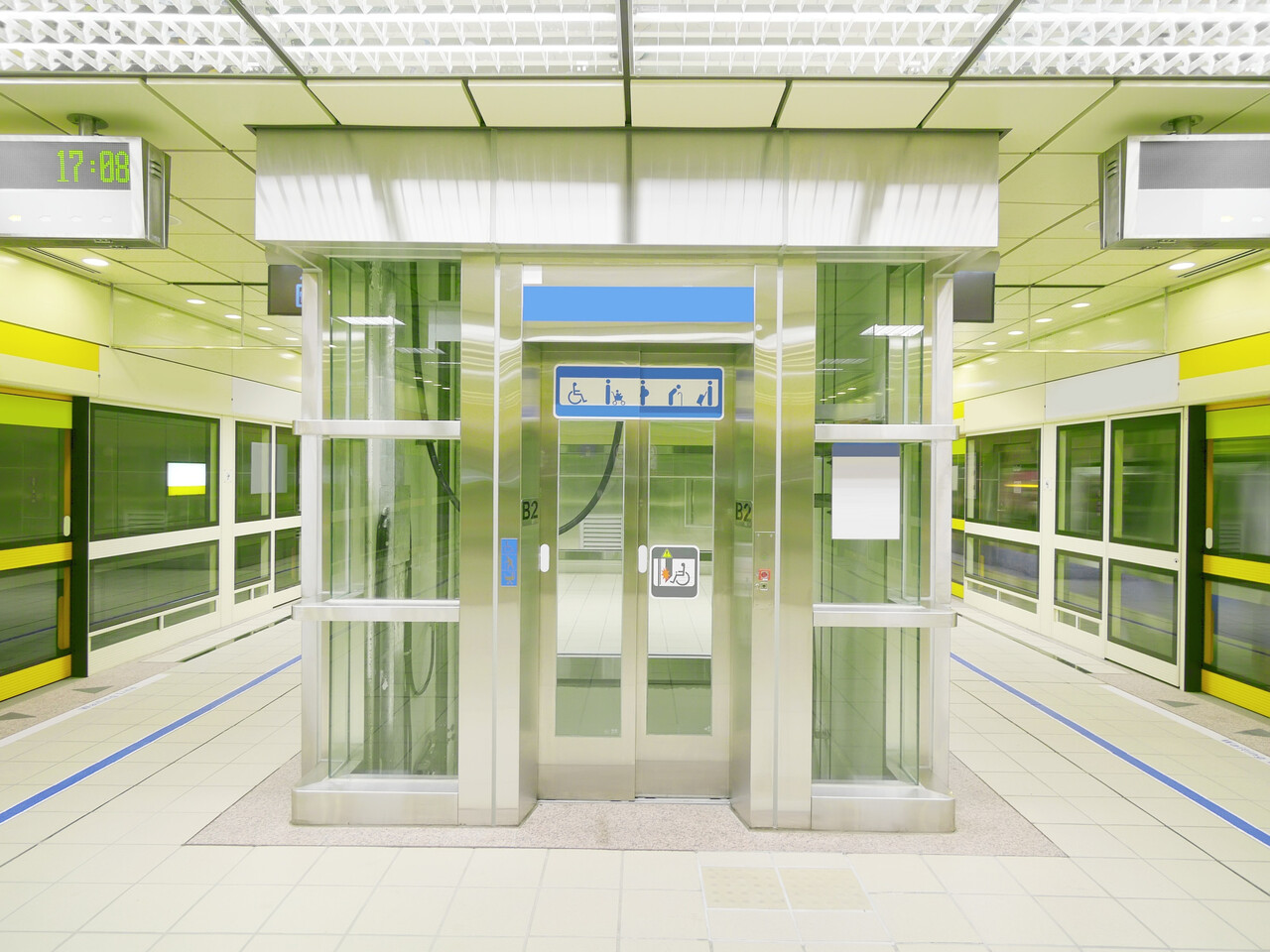
When automats first appeared, they looked radically different from typical eateries. Bright lighting, white tile, glass fronts, and stainless steel communicated cleanliness at a time when food safety worried many urban residents. Public health campaigns of the early twentieth century emphasized sanitation, and automats made hygiene visible. Cornell University food history research notes that seeing food sealed behind glass reassured diners more than kitchen claims ever could. You trusted what your eyes confirmed. The design sent a message that modern systems could protect you better than informal ones. That visual order mattered as much as the food itself, especially in fast growing immigrant cities.
5. Pricing was a form of social engineering
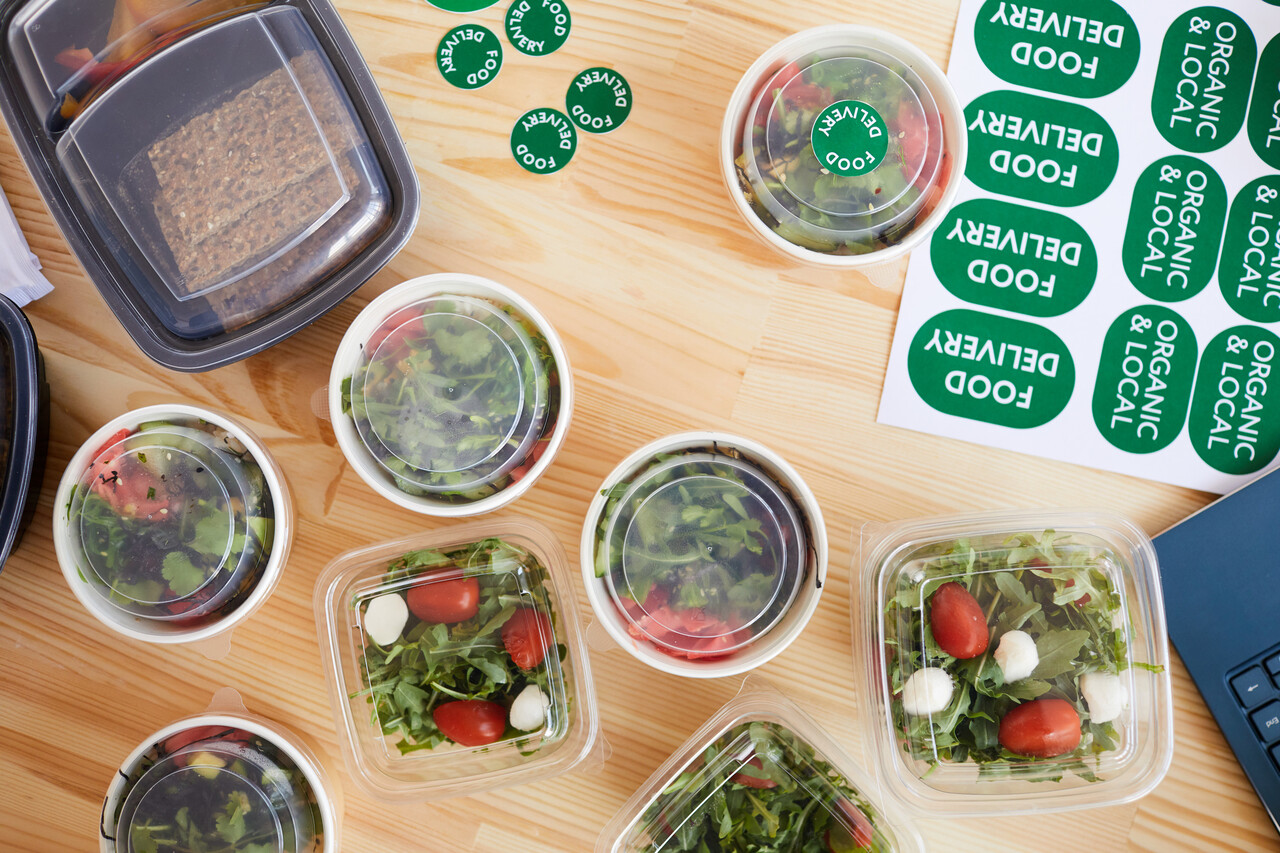
You probably did not think about pricing as behavior control, but automats relied on it. Dishes were priced to match common coins, often in five cent increments, making decisions fast and uniform. Economic historians note that this removed class signaling from dining. You paid the same as everyone else, with no tipping and no negotiation. That equality was intentional. It reduced hesitation, sped up turnover, and kept the system moving. You did not linger or perform status. You ate and left. Pricing shaped rhythm, not just revenue, and it helped automats function smoothly in dense urban environments where time mattered as much as money.
6. Automats thrived on dense foot traffic
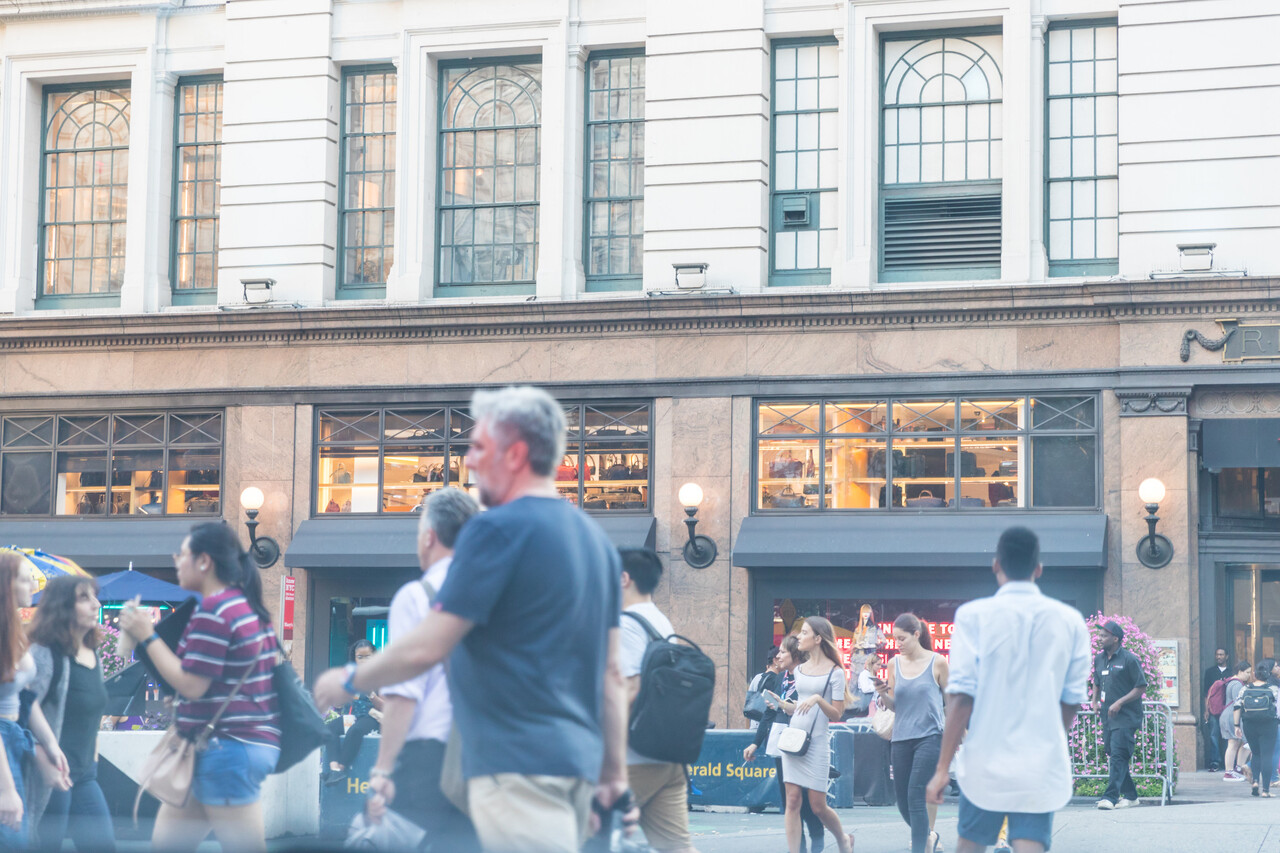
You forget that automats were deeply tied to city layout. Urban studies research shows they depended on steady streams of pedestrians from offices, factories, and transit hubs. You passed them daily, sometimes multiple times. That predictability made refilling and pricing efficient. After World War II, cities spread outward, commuting patterns changed, and foot traffic declined. You drove instead of walked. Without constant flow, automats lost their advantage. The model was not flawed. The environment shifted. Suburbs favored kitchens and cars, not coin slots. Automats belonged to compact cities where your movement patterns supported them naturally.
7. Women played a major role in their success

You may not realize how important automats were for women navigating public life. Social historians document that automats offered rare spaces where you could dine alone without judgment. There was no waiter watching, no expectation to linger, and no assumption that you were meeting someone. For working women especially, this mattered. You could eat quickly, affordably, and safely in public. That independence supported broader changes in gender roles during the early twentieth century. Automats normalized the idea that women belonged in public spaces on their own terms, even if quietly and without fanfare.
8. The machines symbolized progress and order

At the time, automats felt futuristic. Newspapers and trade publications framed them as proof that cities could be efficient and rational. You interacted with a system that promised fairness through design. Everyone followed the same rules. Food appeared on schedule. Prices were fixed. In rapidly changing cities shaped by immigration and industrial growth, that predictability mattered. Cultural historians argue that automats reassured people who felt overwhelmed by urban chaos. The food was simple, but the experience suggested control. You trusted the system because it looked orderly and behaved consistently, which was rare in everyday life then.
9. Decline came from economics, not nostalgia
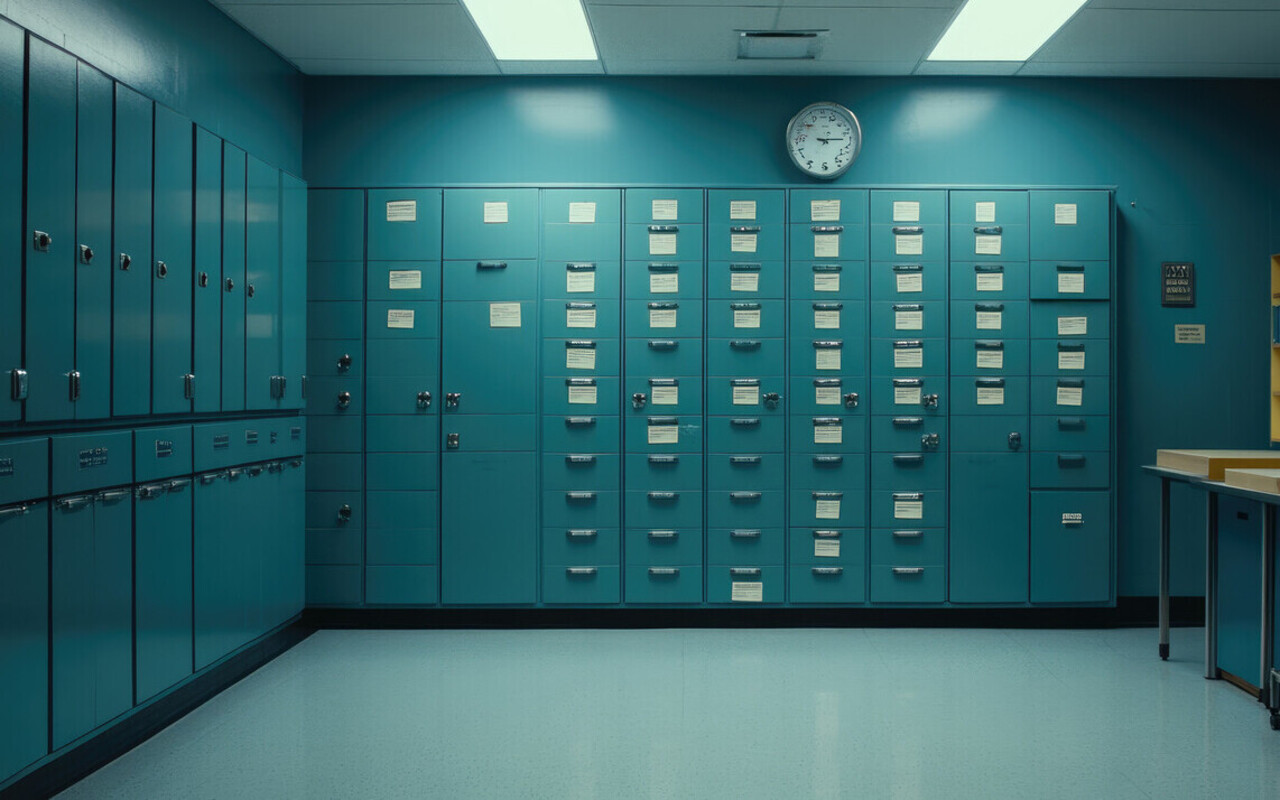
You might assume automats failed because tastes evolved, but financial records tell a different story. Business historians at Columbia University found that rising wages, inflation, and competition squeezed margins beyond sustainability. You could not fully replace human labor, and costs climbed faster than prices. Fast food chains adapted more easily by cutting menus and centralizing production. Automats struggled to maintain quality without raising prices. The model stopped working financially before it faded culturally. Nostalgia followed only after closures, not before. The loss was economic first, emotional later.
10. Their influence still shapes how you eat
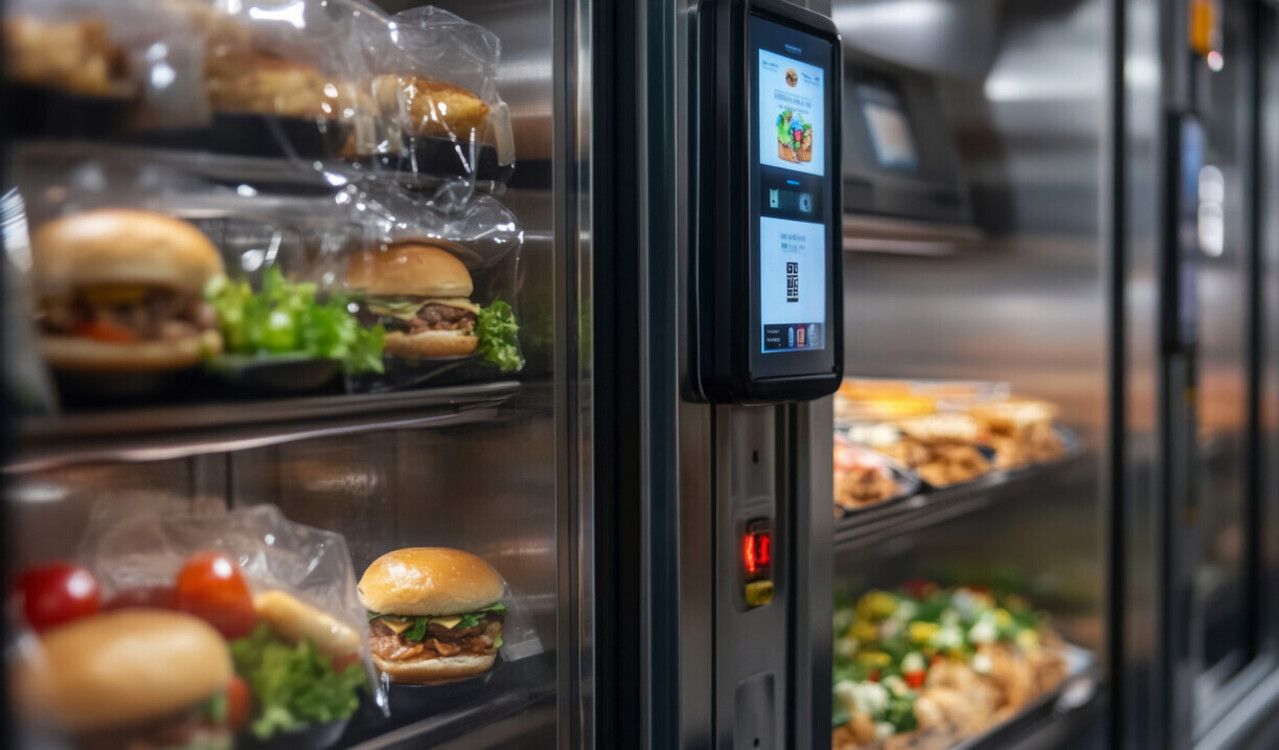
Even without automats, you still follow their logic. Self service kiosks, vending meals, and contactless payment all reflect the same principles. You choose visually, pay instantly, and minimize interaction. Food historians argue that automats were an early version of habits you now take for granted. When you order without speaking or eat without waiting, you repeat patterns established a century ago. The machines are gone, but the behavior remains. Automats did not disappear. They evolved into systems you still rely on daily. You are still trading conversation for speed, and predictability over personal attention, often without noticing the choice.


