

Beyond America’s big cities lie small towns with stories so strange they border on the unbelievable. From burning mines that never die to UFOs, groundhogs, and giant rocking chairs, these places have turned their oddities into living legends. Each town wears its weirdness proudly, offering visitors a blend of curiosity, charm, and unexpected history. Whether you crave mystery, humor, or pure Americana, these destinations promise a journey into the wonderfully bizarre heart of the country.
1. Roswell, New Mexico

Roswell tastes of desert wind, diner coffee, and a persistent sense that something otherworldly happened here. In 1947, an object crashed nearby, and local reports launched a legend that grew into a global UFO culture. The town embraced the story, converting it into a tourism identity where museums, alien-themed shops, an annual UFO festival, and a legacy of government-document speculation draw curious visitors. Whether you come for conspiracy theory or kitschy fun, Roswell offers museums with artifacts, archived reports, and a lively community that keeps the mystery alive while building a genuine local economy around it.
2. Punxsutawney, Pennsylvania

Punxsutawney turns an old folk ritual into a national spectacle every February 2 when Punxsutawney Phil emerges to predict six more weeks of winter or an early spring. The celebration traces its roots to European weather lore and Indigenous phenology, adapted into a town festival that now includes parades, live music, and media attention. Behind the pageantry lies a long-standing volunteer organization that cares for Phil and stages the event. Visitors experience small-town camaraderie, local history exhibits, and a quirky ritual that mixes tradition, tourism, and community pride.
3. Metropolis, Illinois
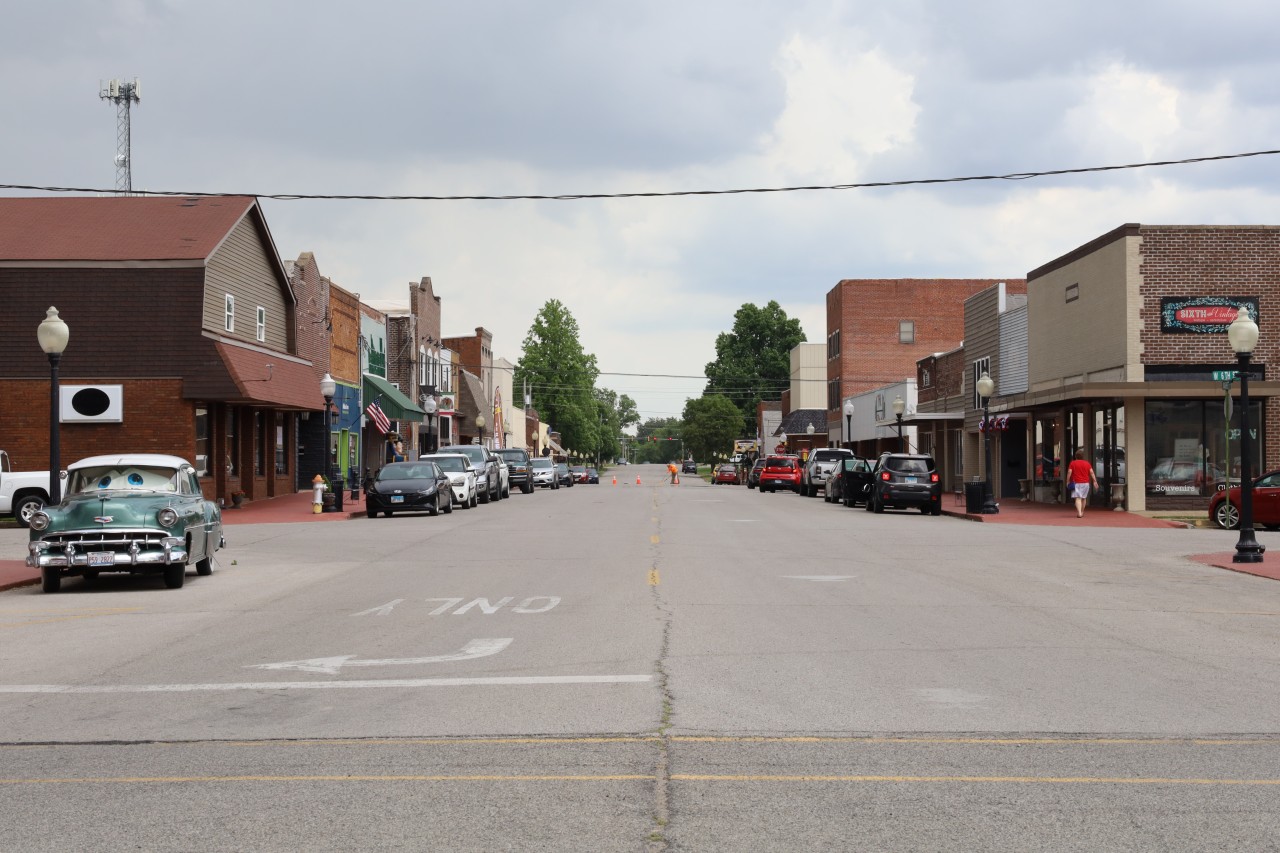
Metropolis leans into its comic-book identity with big-hearted showmanship. Declared the official home of Superman, the town features a giant Superman statue, a museum with memorabilia from comics to films, and an annual Superman Celebration drawing fans worldwide. This civic embrace of a fictional hero grew from clever branding and a desire to turn popular culture into local revitalization: businesses decorate in blue and red, and downtown events center community boosters and family activities. Visiting Metropolis offers both nostalgia for comic lore and a lesson in how a town can rewrite its local story.
4. Gibsonton, Florida
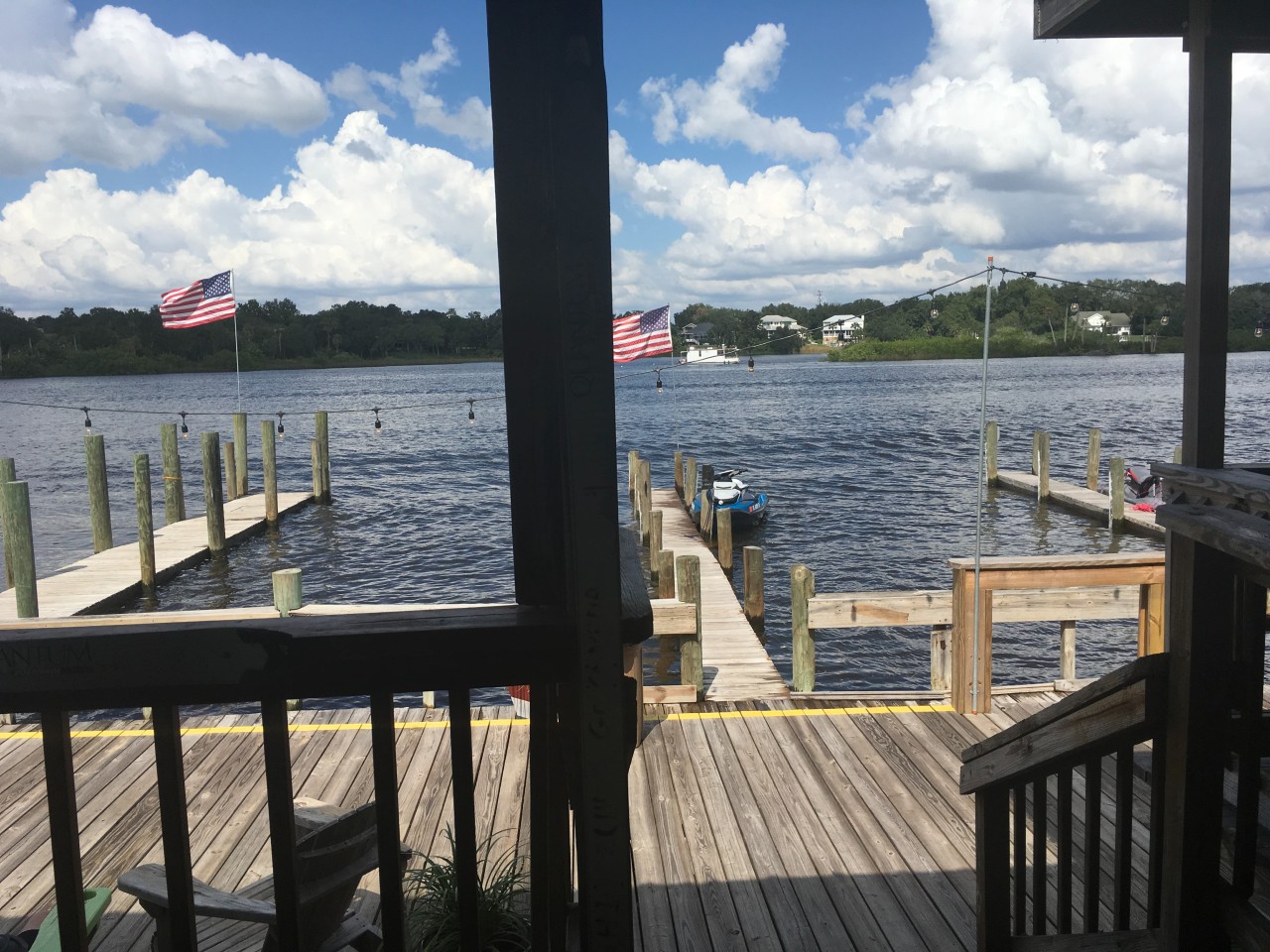
Gibsonton cultivated a reputation as a winter refuge for carnival performers and sideshow workers, creating a rare enclave where unusual trades formed a tight-knit, semi-permanent community. Trailer parks, practice grounds, and private museums once clustered here, and the town’s culture adapted to the rhythms of traveling shows. Though the era of sideshows has faded, Gibsonton still preserves artifacts, oral histories, and surviving residents who speak to an itinerant lifestyle rooted in performance skill, theatrical craft, and a hearty do-it-yourself ethic. Visiting offers a glimpse into a once-hidden American subculture.
5. Centralia, Pennsylvania
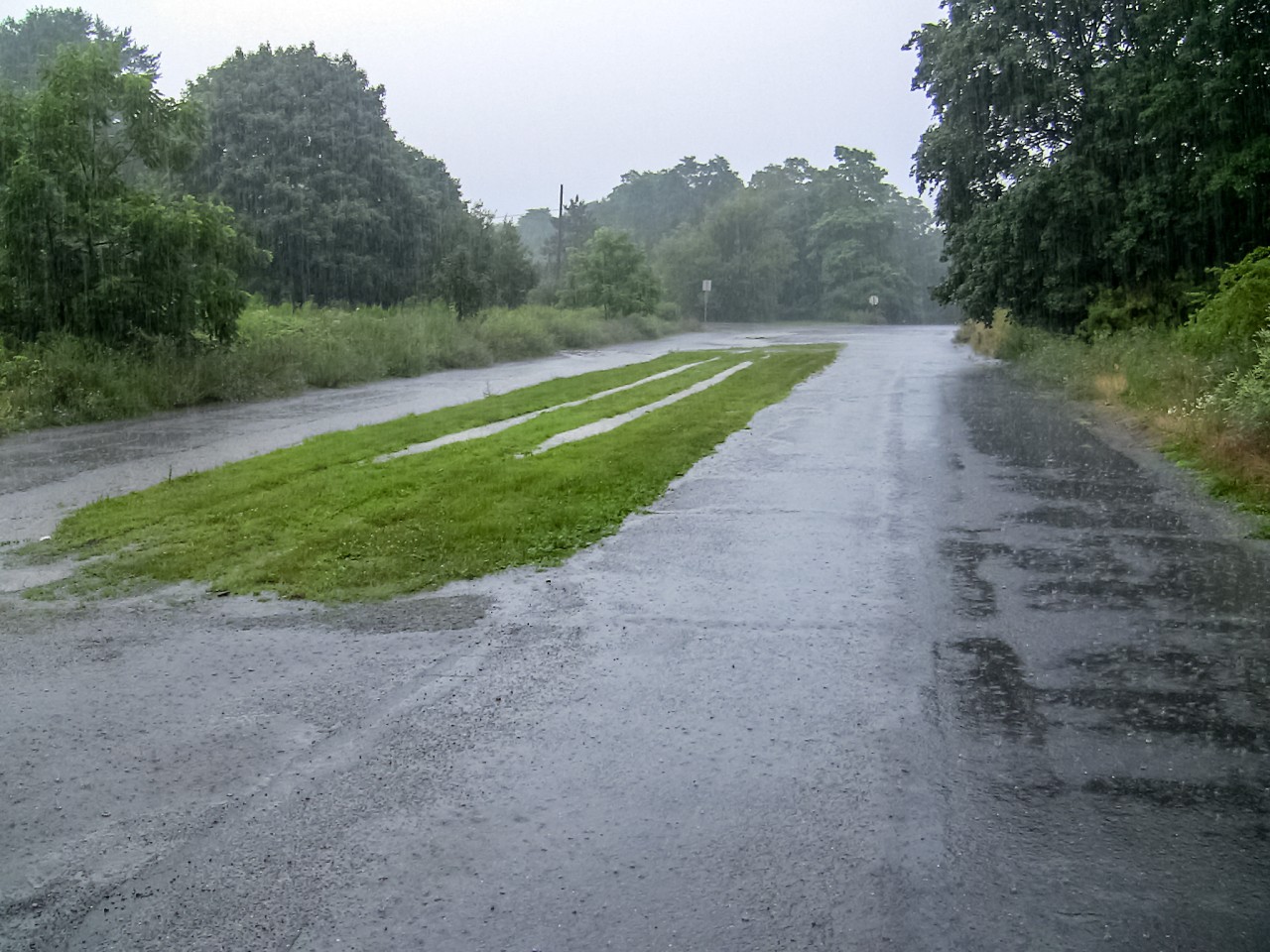
Centralia feels like a place paused in time, where smoke from a decades-old mine fire still shapes the landscape. Since a coal seam fire ignited in the 1960s and spread underground, most residents relocated and official maps removed the town’s ZIP code, but a few holdouts and occasional visitors remain. Highways buckle and steam vents sporadically dot the hills, offering a stark tableau of industrial legacy and environmental hazard. Tours and personal drives around restricted areas emphasize safety, but the eerie sight of cracked pavement and smoky vents is a visceral reminder of human impact on natural resources and the slow consequences of industrial accidents.
6. Leavenworth, Washington
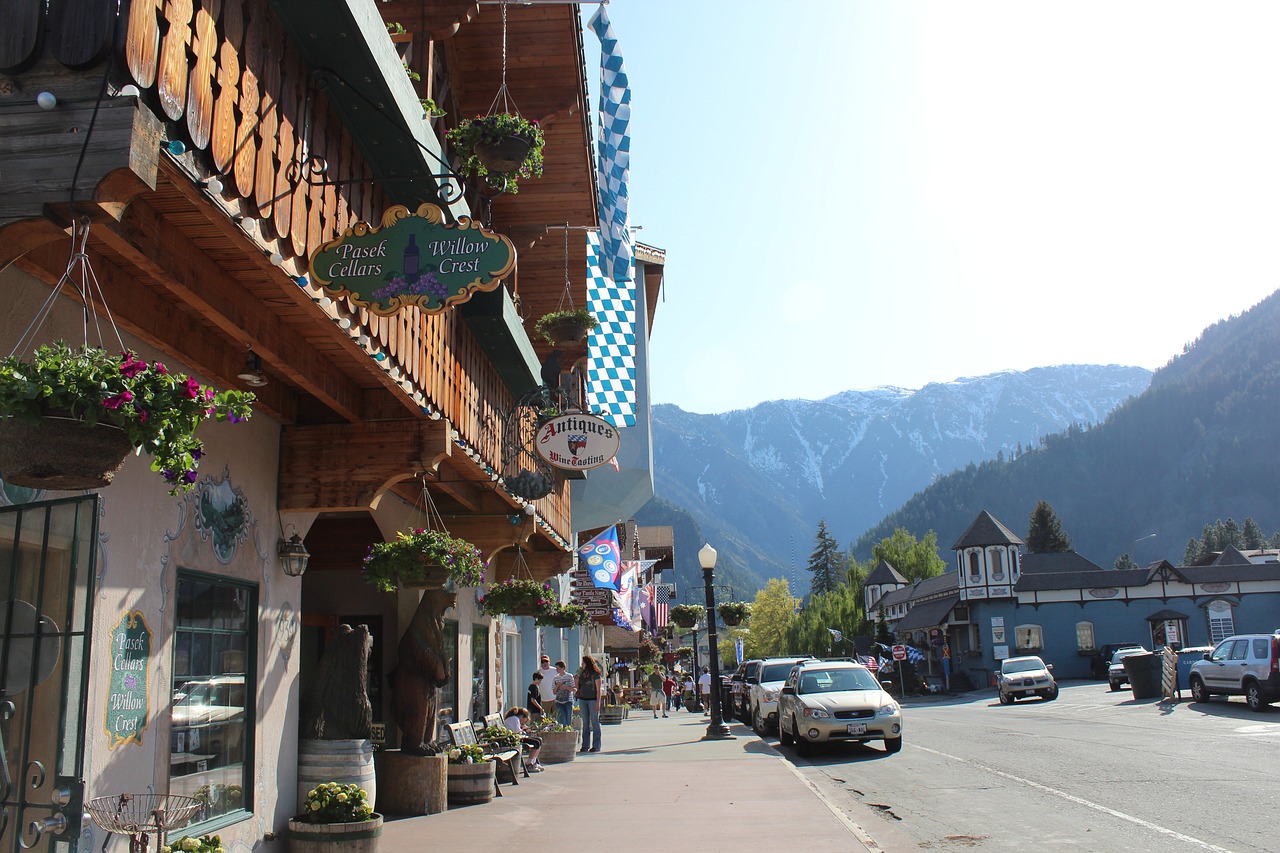
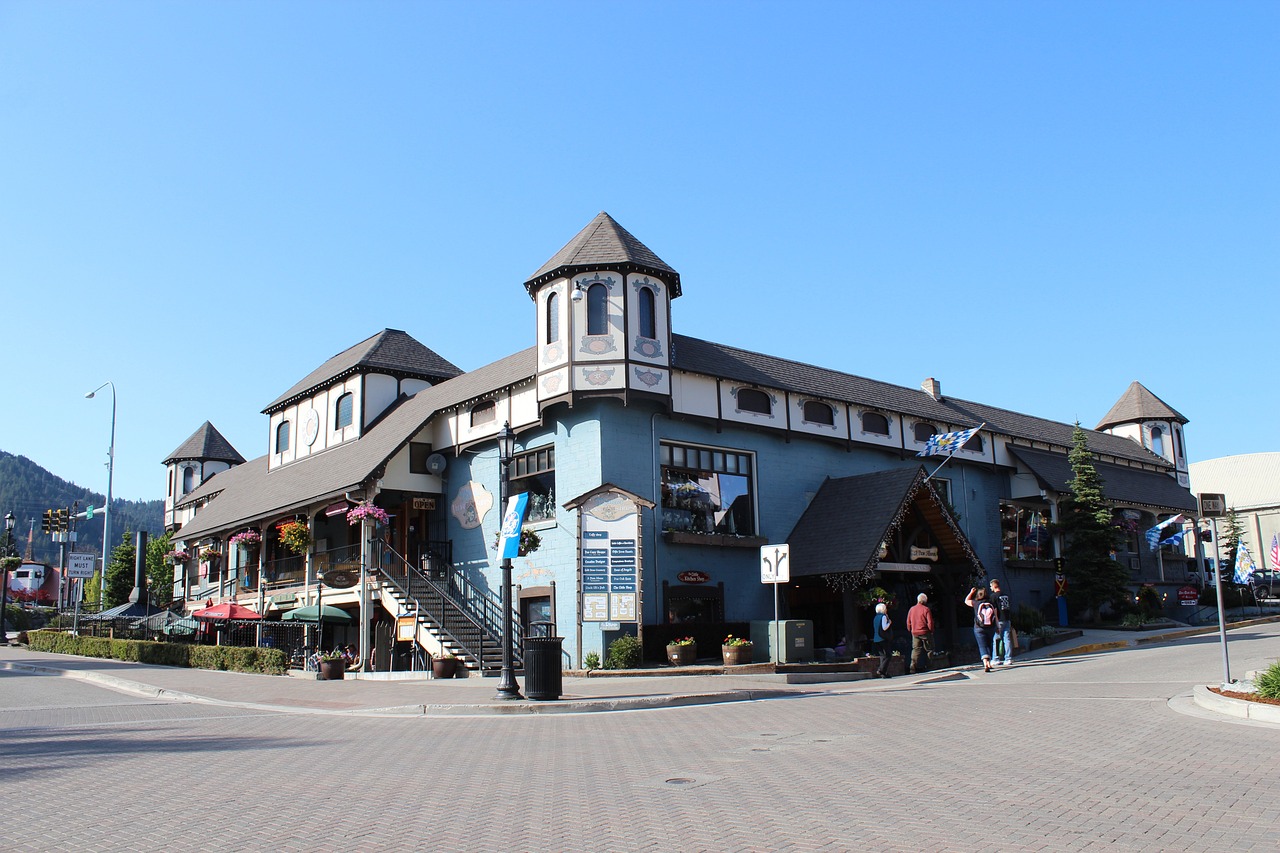
Leavenworth is a study in deliberate reinvention: a Pacific Northwest town that adopted Bavarian architecture and festival culture to revive its downtown in the 1960s. The result is an Alpine-flavored main street of carved wood facades, German restaurants, and year-round events like Oktoberfest and a famed Christmas Lighting Festival. While the town’s roots are American logging and railroading, the transplanted Bavarian identity has become authentic in its own right through local businesses, performance troupes, and culinary artisans. Visitors enjoy hiking nearby Cascades by day and gemütlichkeit, warm hospitality by night.
7. Scottsboro, Alabama
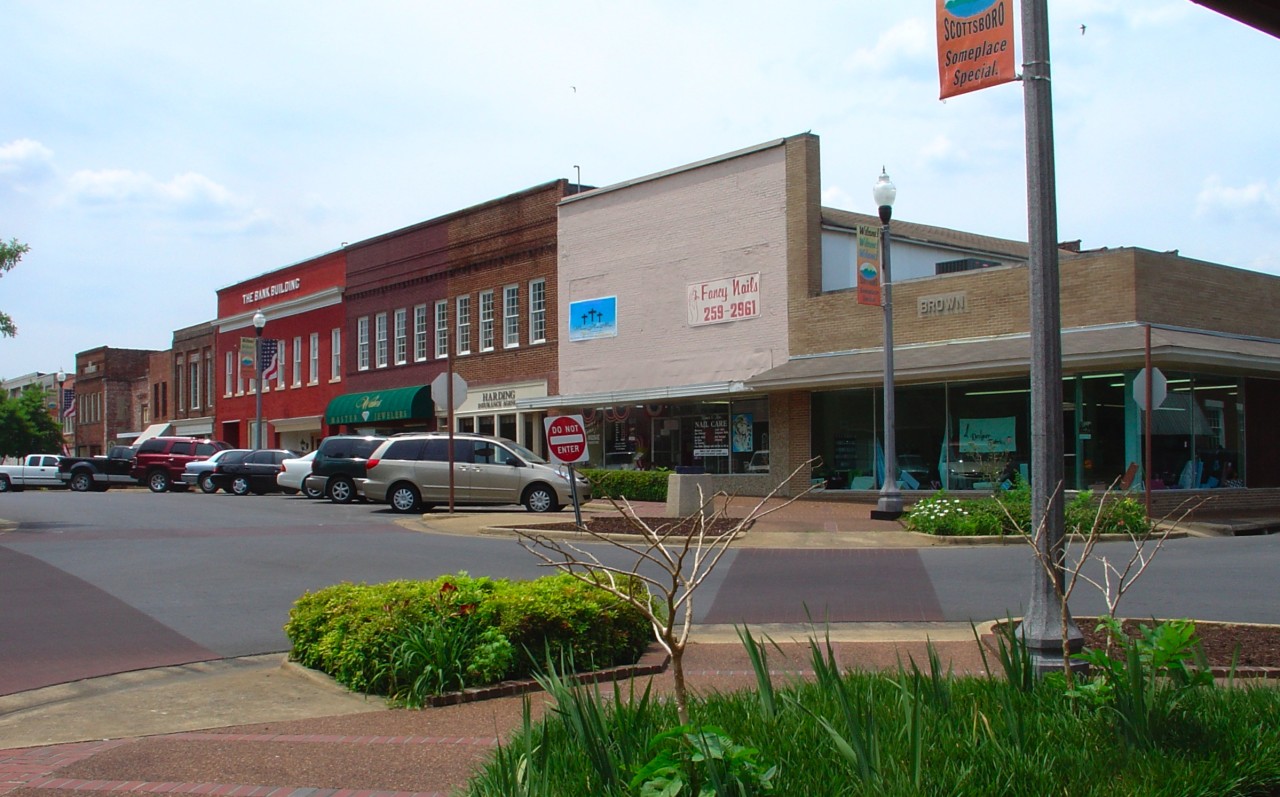
Scottsboro’s claim to fame centers on an old railroad trope: a thriving lost-and-found industry that once handled abandoned luggage and goods from passing trains. The town’s location on major rail lines turned chance into commerce as entrepreneurs salvaged, cataloged, and resold items, creating a modest local economy around reuse and trade. Though the heyday of rail travel has faded, the spirit survives in secondhand stores, antique shops, and community markets that celebrate thrift and history. Visitors find a town shaped by transportation networks and a practical culture of making the most from what arrives on the platform.
8. Hell, Michigan
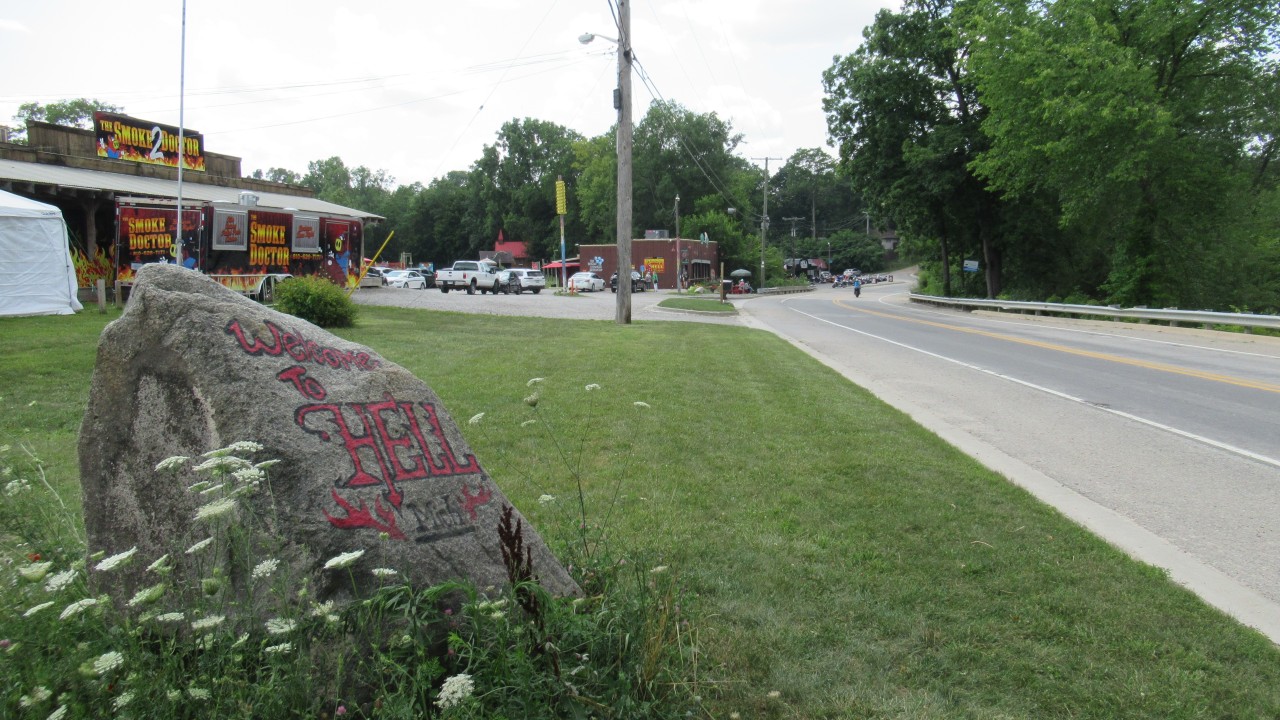
Hell invites you to laugh at a name and stay for the personality. This tiny community leaned into its cheeky moniker, building novelty attractions, souvenir shops, and events around a playful brand of infernal humor. Couples “get married in Hell,” motorists send postcards stamped from Hell, and the town stages seasonal parties that blend local pride with tongue-in-cheek tourism. Beyond puns, Hell’s residents host festivals and maintain roadside history, showing how a single quirky fact can become an engine for community storytelling and economic activity that welcomes visitors with a wink.
9. Casey, Illinois
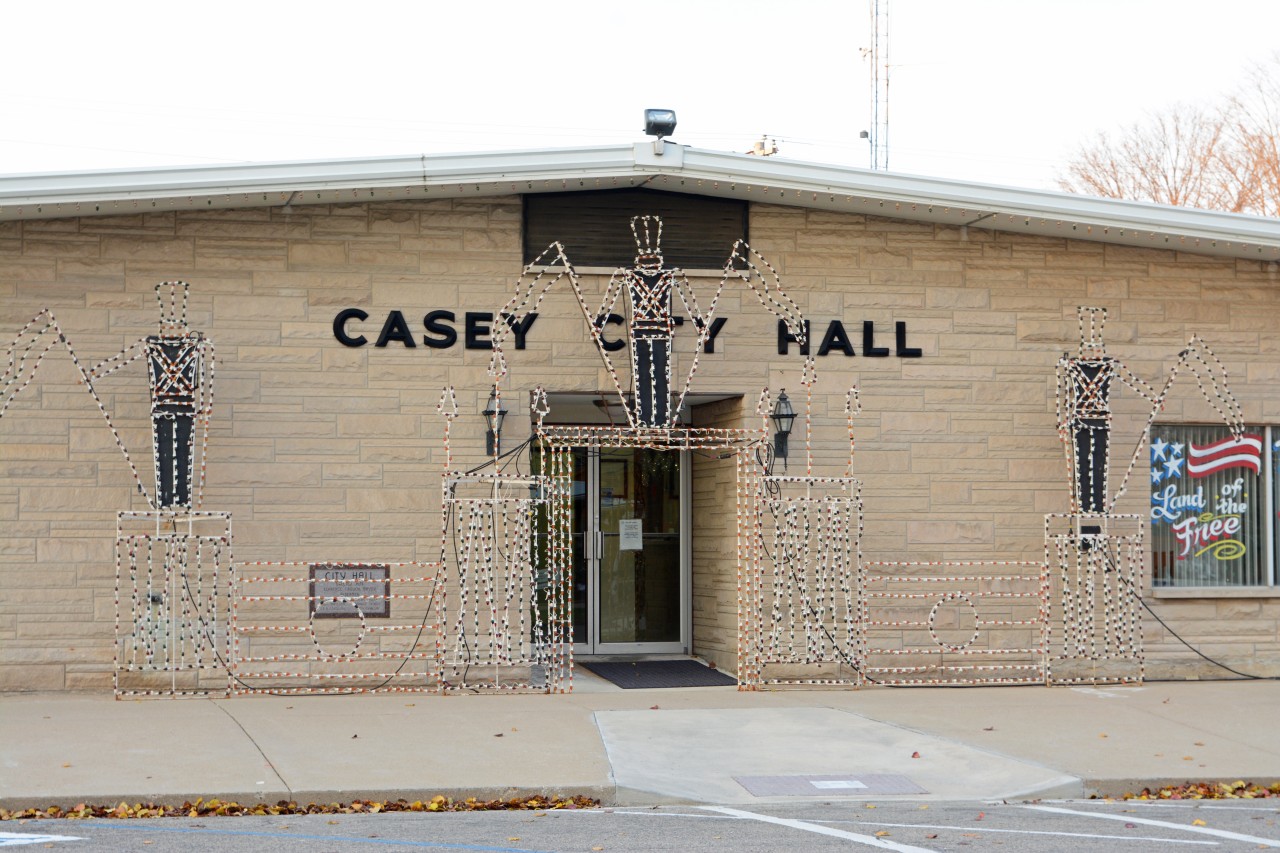
Casey bets on scale to charm travelers: oversized everyday objects claim front yards and civic pride, from the world’s largest rocking chair to enormous pencil sculptures. These monumental novelties began as roadside curiosities and evolved into a coordinated tourism strategy that stitches individual whimsy into a larger visitor experience. The displays sit beside practical small-town attractions like diners and local fairs, offering photo ops and family-friendly stops. Casey demonstrates how creativity and a sense of humor can transform landmarks into a cohesive reason to visit a rural community.
10. Hildale, Utah
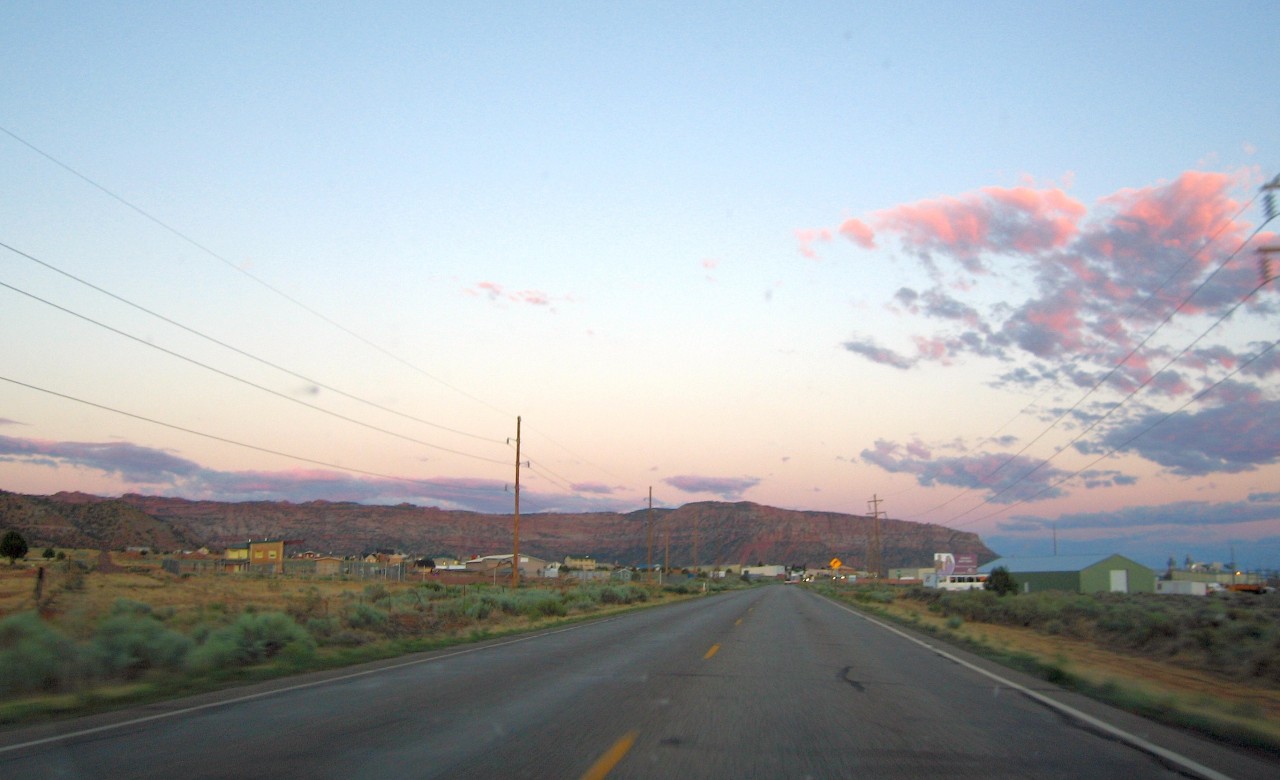
Hildale sits at the complex crossroads of faith, law, and community reinvention. Long associated with fundamentalist polygamist groups, the town’s story includes legal battles, social reform efforts, and attempts by residents to rebuild civic life beyond insular religious control. Museums, guided tours, and local initiatives now provide visitors with context about the town’s difficult past and the ongoing challenges of reintegration, education, and economic development. Traveling to Hildale is an opportunity to learn about deeply rooted cultural issues and the long process of social change in a close-knit community.
11. Whittier, Alaska

Whittier surprises visitors with a literal shared-living model: most residents of this Alaskan town live inside a single, fortress-like building that houses apartments, a grocery, a post office, and municipal services. Built during World War II and expanded since, the structure enabled harsh-weather survival and military logistics, later becoming a civilian oddity where community life is compact and cooperative. Rugged scenery, glacier tours, and access to Prince William Sound draw outdoor adventurers, while the building itself fascinates urbanists interested in communal living, infrastructure planning, and human adaptation to extreme environments.


