

History’s most admired figures often carried silent burdens that shaped their destinies. Behind the crowns, pens, and discoveries were men and women plagued by surprisingly ordinary ailments and conditions that tested their resolve yet deepened their humanity. From emperors haunted by insomnia to inventors suffering crippling anxiety, their greatness wasn’t born from perfection but from persistence through pain. These unseen struggles remind us that even history’s brightest lights were, at heart, profoundly human.
1. Julius Caesar and His Debilitating Epilepsy

Behind Julius Caesar’s image as a fearless general and political mastermind was a man who endured epileptic seizures. Historical records describe moments when Caesar collapsed mid-speech or during battle, symptoms now believed to be epilepsy. In ancient Rome, such conditions carried heavy stigma, yet Caesar’s resilience allowed him to conceal weakness and command authority. His illness may have shaped his ambition, driving him to secure power and immortality through conquest and reform.
2. Queen Elizabeth I’s Rotting Teeth and Mercury Poisoning

Queen Elizabeth I’s iconic beauty concealed a harsh reality shaped by her cosmetic choices. Her pale, flawless complexion relied on “Venetian ceruse,” a lead-based makeup that caused mercury poisoning over time. This toxic regimen contributed to decayed teeth, brittle hair, and damaged skin. To maintain her signature appearance, Elizabeth intensified her use of cosmetics, perpetuating a cycle of harm. Despite these hidden struggles, she exuded confidence and authority, proving her mastery of image and influence in a world where appearance was inseparable from power.
3. Napoleon Bonaparte’s Chronic Hemorrhoids

Napoleon Bonaparte, the fiery commander who conquered much of Europe, was plagued by a painfully mundane ailment: hemorrhoids. During the Battle of Waterloo, intense discomfort reportedly kept him from mounting his horse, limiting his ability to lead. The condition, aggravated by long hours in the saddle and immense stress, symbolized the human vulnerability beneath his towering ambition. History remembers his fall for its political drama, but few realize how physical pain may have shaped the outcome.
4. Abraham Lincoln’s Lifelong Depression

Abraham Lincoln’s struggles with melancholy were more than anecdotal; they reflected a lifelong battle with clinical depression. Those close to him recalled periods of deep withdrawal, often triggered by personal loss and the weight of national responsibility. Yet these experiences shaped his character, fostering empathy, patience, and keen insight that defined his leadership. Lincoln’s ability to channel his inner turmoil into thoughtful action demonstrates how emotional depth, rather than unshakable invincibility, can forge extraordinary strength and wisdom.
5. Charles Darwin’s Mysterious Stomach Illness
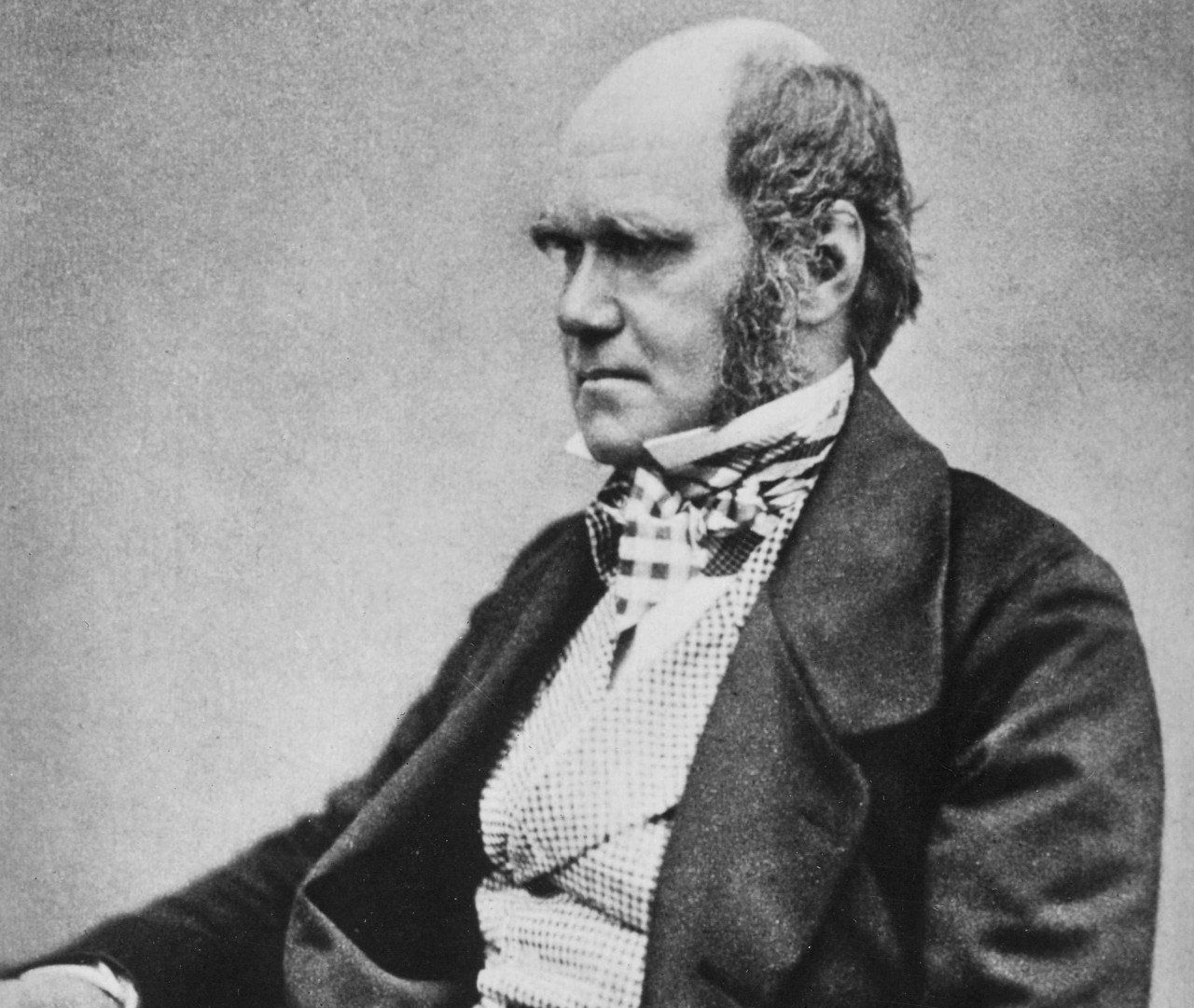
Charles Darwin’s groundbreaking work on evolution was shadowed by relentless illness. For decades, he suffered from nausea, heart palpitations, and crippling fatigue. Many historians suspect his condition stemmed from a tropical infection or psychosomatic anxiety tied to his controversial research. Despite his frail health, Darwin pursued discovery with quiet perseverance, showing that revolutionary ideas often emerge not from perfect minds or bodies, but from those burdened by constant struggle.
6. Ludwig van Beethoven’s Progressive Deafness
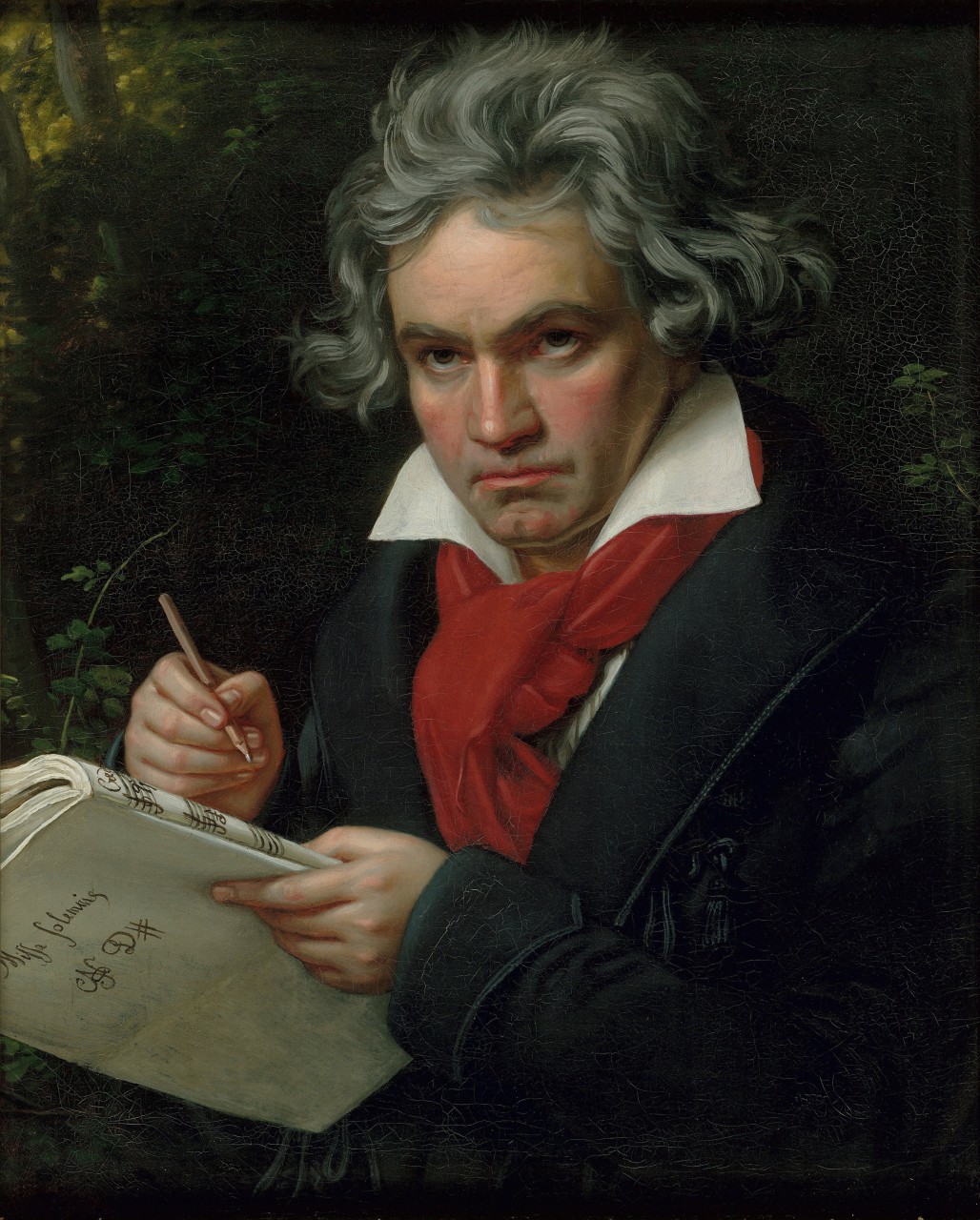
Ludwig van Beethoven’s deafness stands as one of history’s most remarkable contradictions. Beginning in his late twenties, he gradually lost his hearing, yet he continued to compose groundbreaking works that reshaped classical music. The isolation forced by his condition intensified his emotional expression, visible in compositions such as the Ninth Symphony. Beethoven transformed adversity into artistry, showing that profound creativity can flourish even amid life-altering challenges, and that human resilience can turn limitation into legacy.
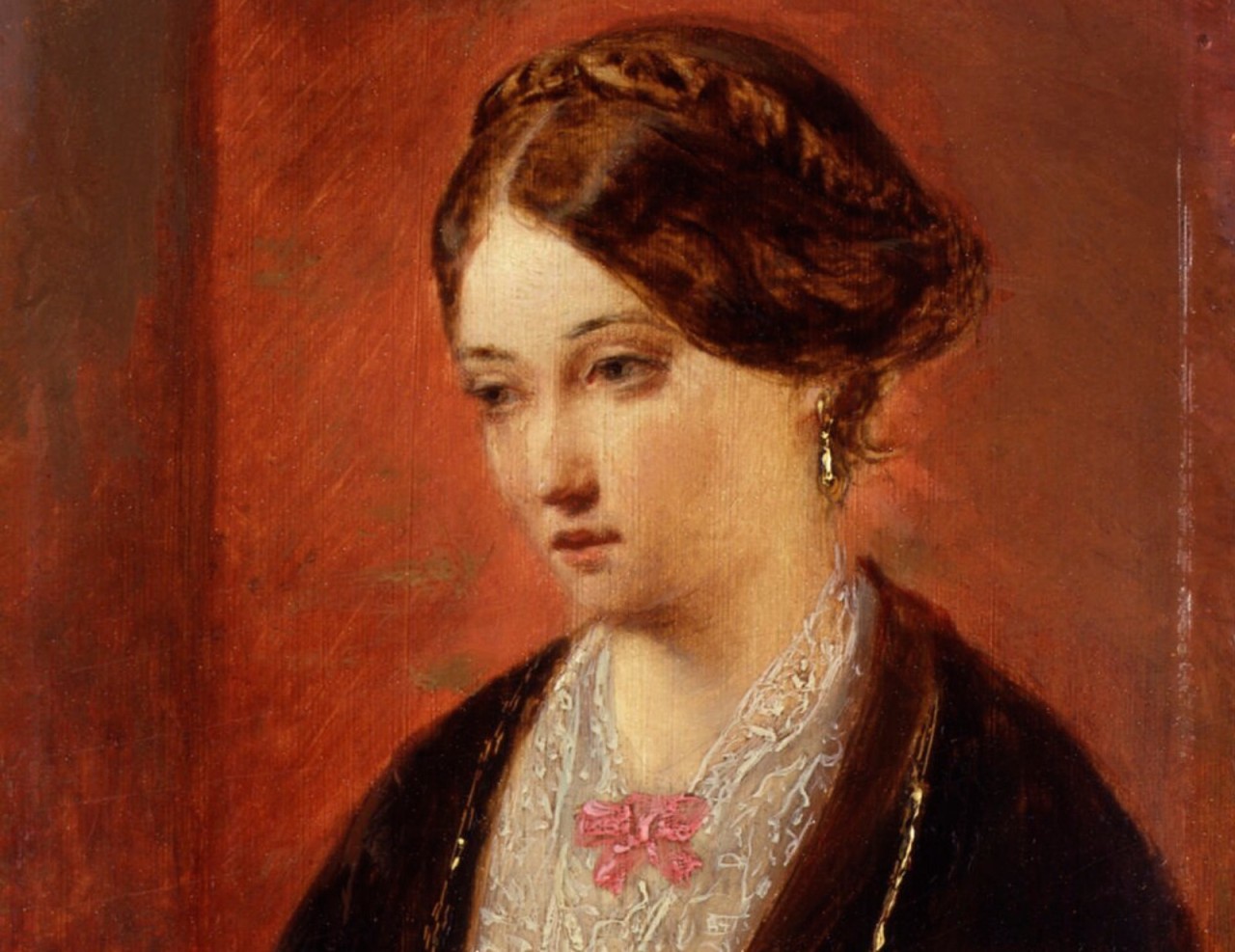
7. Florence Nightingale’s Chronic Fatigue Syndrome

Florence Nightingale, celebrated as the pioneer of modern nursing, faced years of physical confinement following the Crimean War. Likely afflicted with chronic fatigue syndrome, she endured extreme weakness while maintaining an extraordinary mental drive. From her bed, she authored influential texts, conducted research, and implemented public health reforms that transformed British hospitals. Nightingale’s life demonstrates that true impact isn’t dictated by physical mobility, but by persistent commitment and the ability to lead with intellect and determination despite personal limitations.
8. Vincent van Gogh’s Mental Breakdown and Ear Disorder

Vincent van Gogh’s extraordinary talent was inseparable from his inner turmoil. Struggling with mental illness, likely bipolar disorder or temporal lobe epilepsy, he experienced intense psychotic episodes, including the infamous incident in which he cut off part of his ear. His turbulent emotions fueled the intensity and vibrancy of his artwork, turning personal suffering into universally resonant masterpieces. Van Gogh’s life demonstrates how profound creativity can emerge from fragility, showing that genius often walks hand in hand with deep personal struggle.
9. Winston Churchill’s “Black Dog” Depression
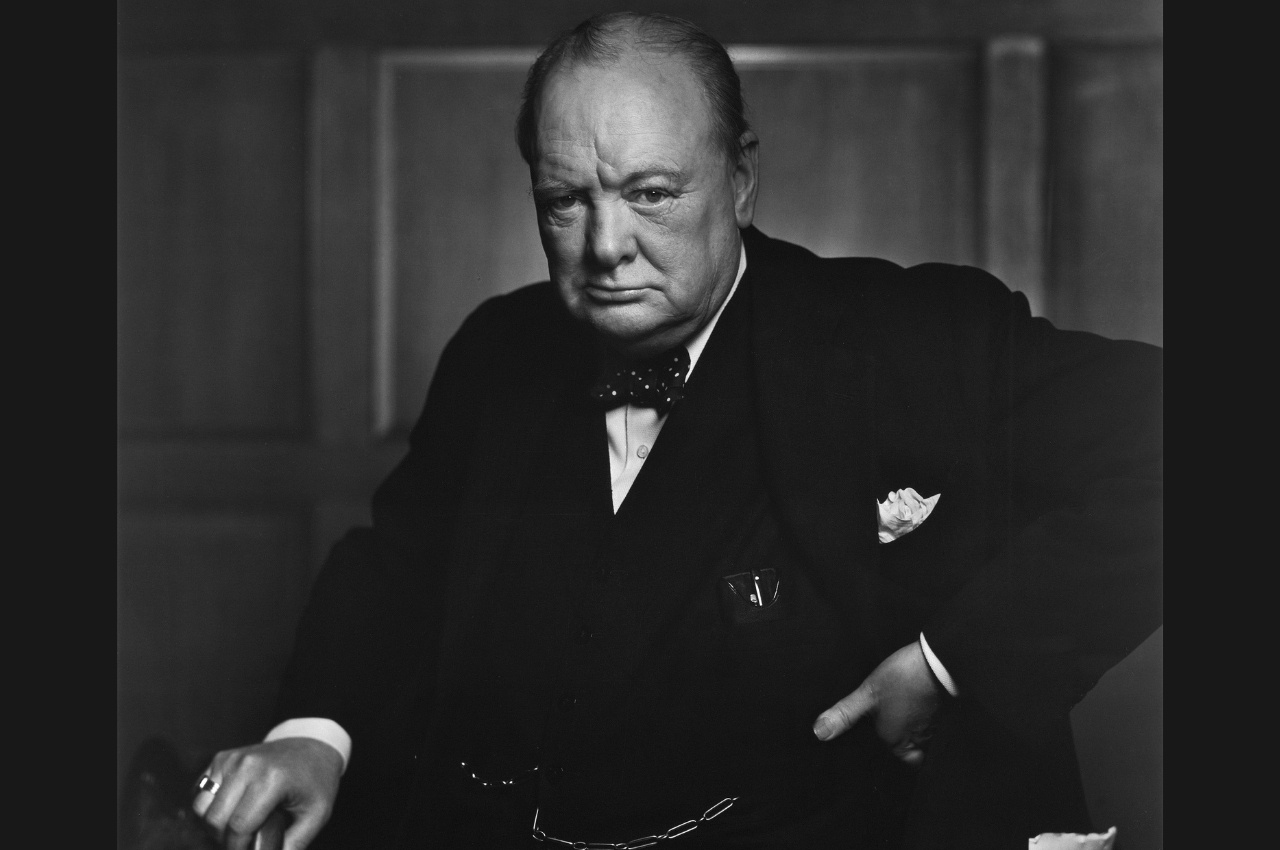
Winston Churchill famously called his depression the “black dog,” a constant companion that haunted him even during moments of national triumph. Despite guiding Britain through the perils of World War II with remarkable resolve, he endured periods of deep despair that threatened to overwhelm him. To cope, he turned to writing and painting, channeling his struggles into creative expression. Churchill’s experience shows that even iconic leaders confront private battles, and that resilience often emerges from facing, rather than ignoring, inner darkness.
10. King Henry VIII’s Gout and Obesity
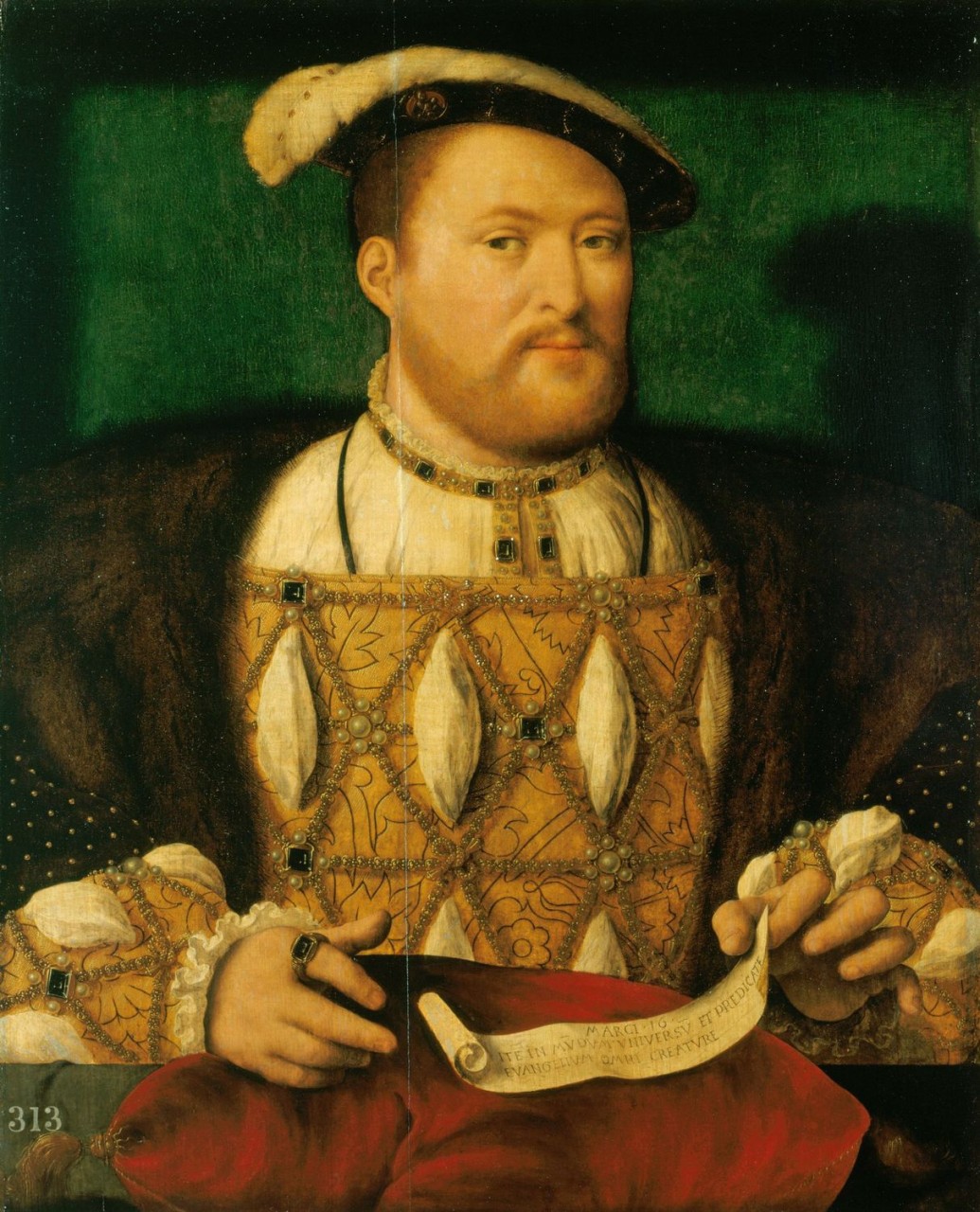
King Henry VIII, often remembered for his larger-than-life presence and royal authority, battled serious health issues that shadowed his later years. Severe gout, painful ulcers, and significant obesity, fueled by a lavish diet and sedentary habits, left him physically limited and increasingly irritable. These ailments affected his judgment and temperament, contributing to harsh decisions and volatile behavior. Henry’s declining health underscores how chronic pain and indulgence can quietly undermine even the most dominant and celebrated reigns.
11. Cleopatra’s Migraines and Skin Irritation

Cleopatra, celebrated for her intelligence and allure, secretly struggled with intense migraines and persistent skin irritation. Historical accounts suggest these issues were aggravated by the stress of rulership and the harsh natural ingredients in the cosmetics she used. Despite the discomfort, she skillfully navigated political alliances and military strategy, outmaneuvering Rome’s most formidable leaders. Her ailments did not diminish her legacy; rather, they highlight her resilience and capacity to lead with unwavering strength even under personal duress.


