

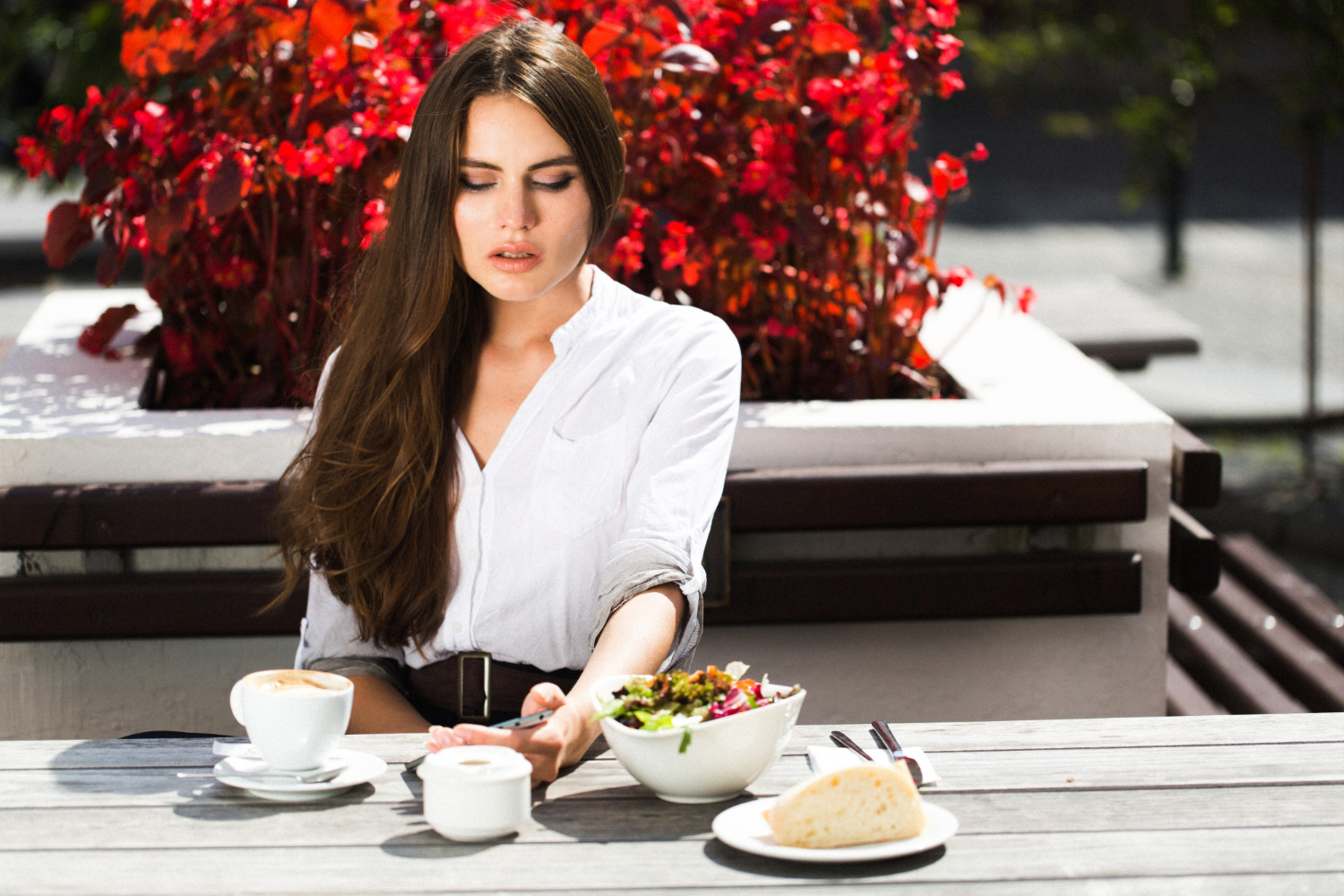
You can walk into almost any restaurant in America today and see it right away. A table for one no longer raises eyebrows. You confidently claim a solo bar seat, open your laptop at a café, or enjoy a quiet dinner without waiting for company. Solo dining has shifted from something people pitied to something they celebrate.
Yet as this shift becomes normal, something quieter lingers beneath the surface. When dining alone becomes your default, you may start mistaking independence for connection. You tell yourself you prefer the peace, the control, the freedom to eat what you want and leave when you choose. But over time, those silent meals can stack up.
1. Solo Dining As Self Care, Not Loneliness
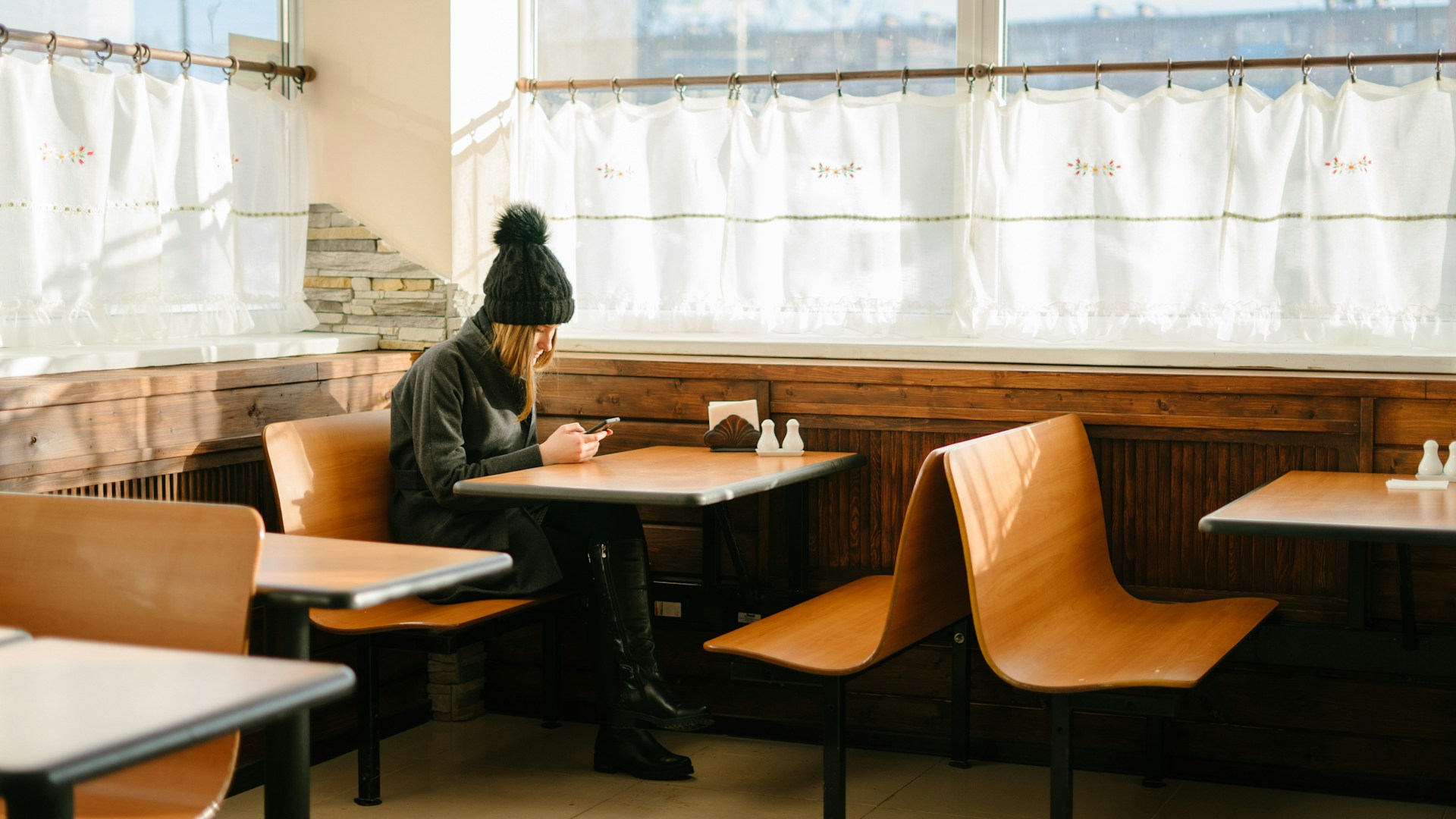
You no longer apologize for booking a reservation for one. You frame it as intentional time with yourself. You order exactly what you crave, linger over dessert, and leave when you feel ready. Restaurants encourage this mindset with cozy nooks, counter seating, and tasting menus perfect for a party of one. You tell yourself that choosing solitude signals confidence, not social failure.
That shift carries real power. You build comfort in your own company, and you stop waiting for someone else’s schedule. But when every Friday night becomes a solo ritual, you may stop reaching out altogether. Self care supports you. Isolation slowly narrows your world.
2. Restaurant Bars Becoming The New Community Tables

You slide onto a barstool and instantly feel less alone. The bartender greets you, other guests sit shoulder to shoulder, and the open kitchen gives you something to watch. Restaurant bars across the United States now function as unofficial community tables. You do not need a reservation, and you rarely need small talk beyond a drink order.
At first, that setup feels social. You hear snippets of conversation, clink glasses with strangers, and share menu recommendations. But most interactions stay surface level. People scroll between bites, pay quickly, and head home. The bar offers proximity, not depth.
3. Smartphones Replacing Conversation At The Table
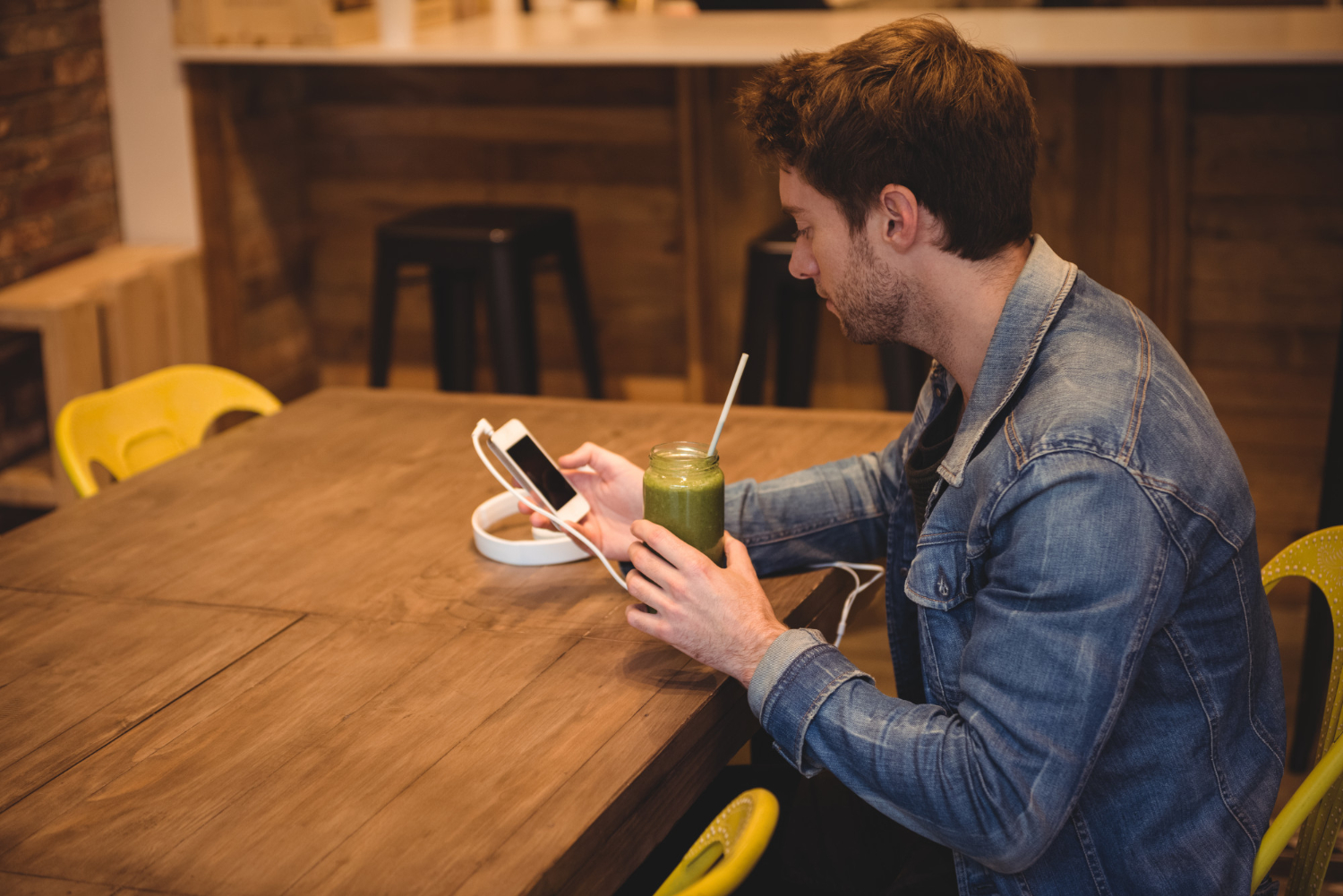
You place your phone next to your plate without thinking. It fills pauses, answers emails, and streams videos while you eat. Solo dining once invited reflection or people watching. Now your screen absorbs every quiet moment. Restaurants adapt by offering strong WiFi and charging outlets, knowing you will likely scroll through dinner.
The device protects you from awkwardness. You never look like you are waiting for someone. But it also blocks spontaneous interaction. You rarely make eye contact with the person next to you. You miss the subtle invitation to chat. Over time, the phone becomes both a companion and barrier.
4. Fast Casual Spaces Designed For One
Walk into a modern fast casual restaurant and you see it immediately. Narrow counters line the windows. Two top tables shrink in size. Ordering happens at a kiosk, not with a host. These spaces reflect how many Americans eat now. You grab a quick bowl, sit alone, and head back to work within 30 minutes.
Efficiency defines the experience. You control the pace and avoid the pressure of formal service. But the design also minimizes interaction. You rarely speak beyond your name at pickup. No one expects you to linger. When most of your meals happen in transactional spaces, connection feels optional rather than natural.
5. Delivery Culture Making Staying In Too Easy

With a few taps, you order dinner without changing clothes. Delivery apps promise speed, variety, and little effort. After a long day, staying in feels like relief. You avoid traffic, crowds, and small talk. Your food arrives at the door, and you eat on the couch while streaming a show.
The convenience reshapes your habits. Instead of meeting friends at a neighborhood spot, you suggest ordering and staying home. Weeks can pass without sharing a table in person. While delivery saves time and energy, it also removes the social layer restaurants once provided. When comfort becomes your nightly priority, you may trade shared experiences for solitude.
6. Coffee Shops As All Day Solo Hangouts
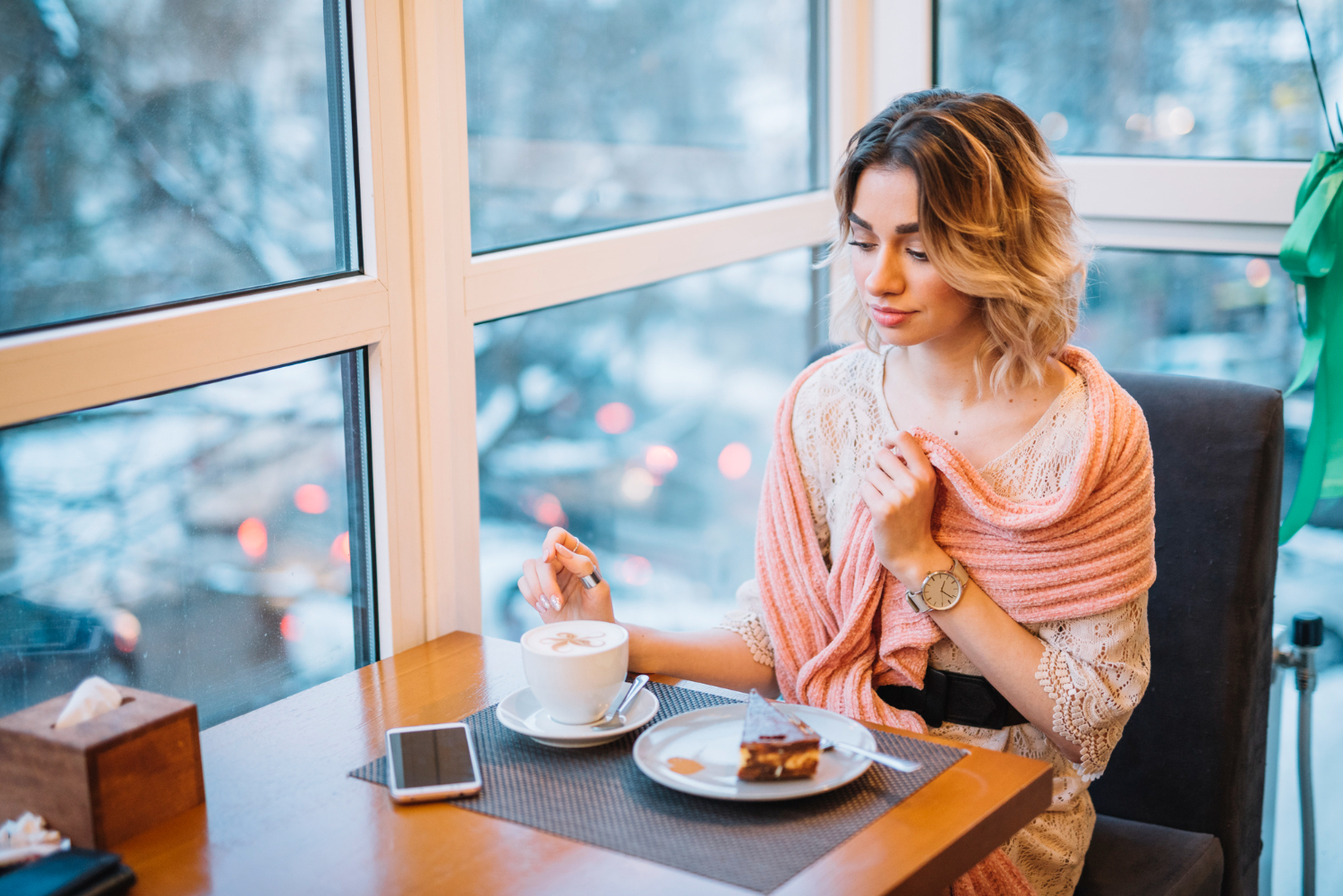
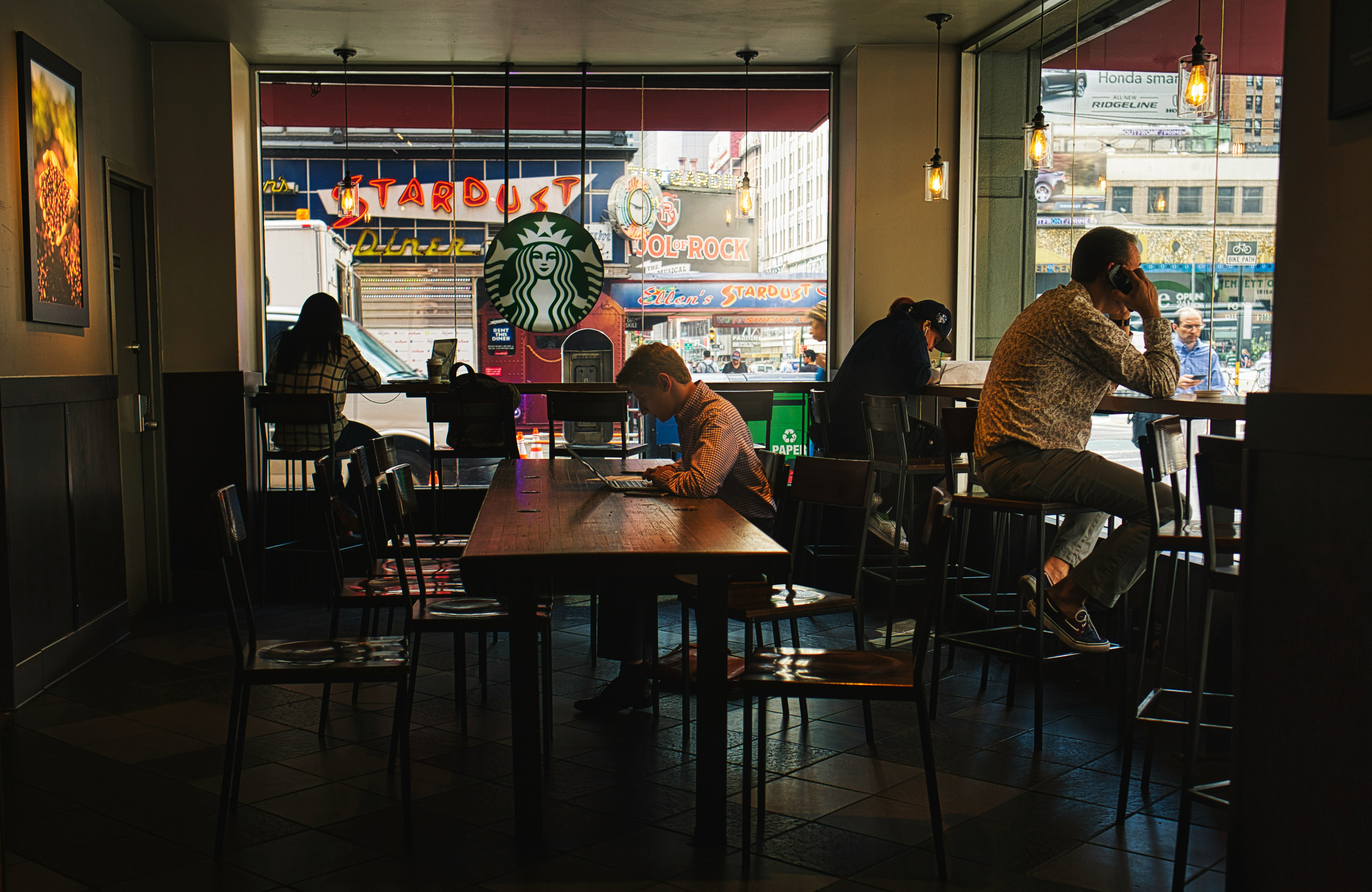
You treat your local coffee shop like an extension of your living room. You arrive with a laptop, and settle in for hours. Baristas recognize your name, and the hum of conversation creates background comfort. Coffee culture in the United States now supports remote work and solo routines.
The setting feels communal, yet most people remain in their own bubble. Headphones signal do not disturb. Conversations stay brief and polite. You feel surrounded, but rarely engaged. Spending entire afternoons in shared spaces without real dialogue can leave you oddly drained. Familiar faces provide comfort, but they do not replace meaningful relationships.
7. Work From Restaurant Becoming Normal
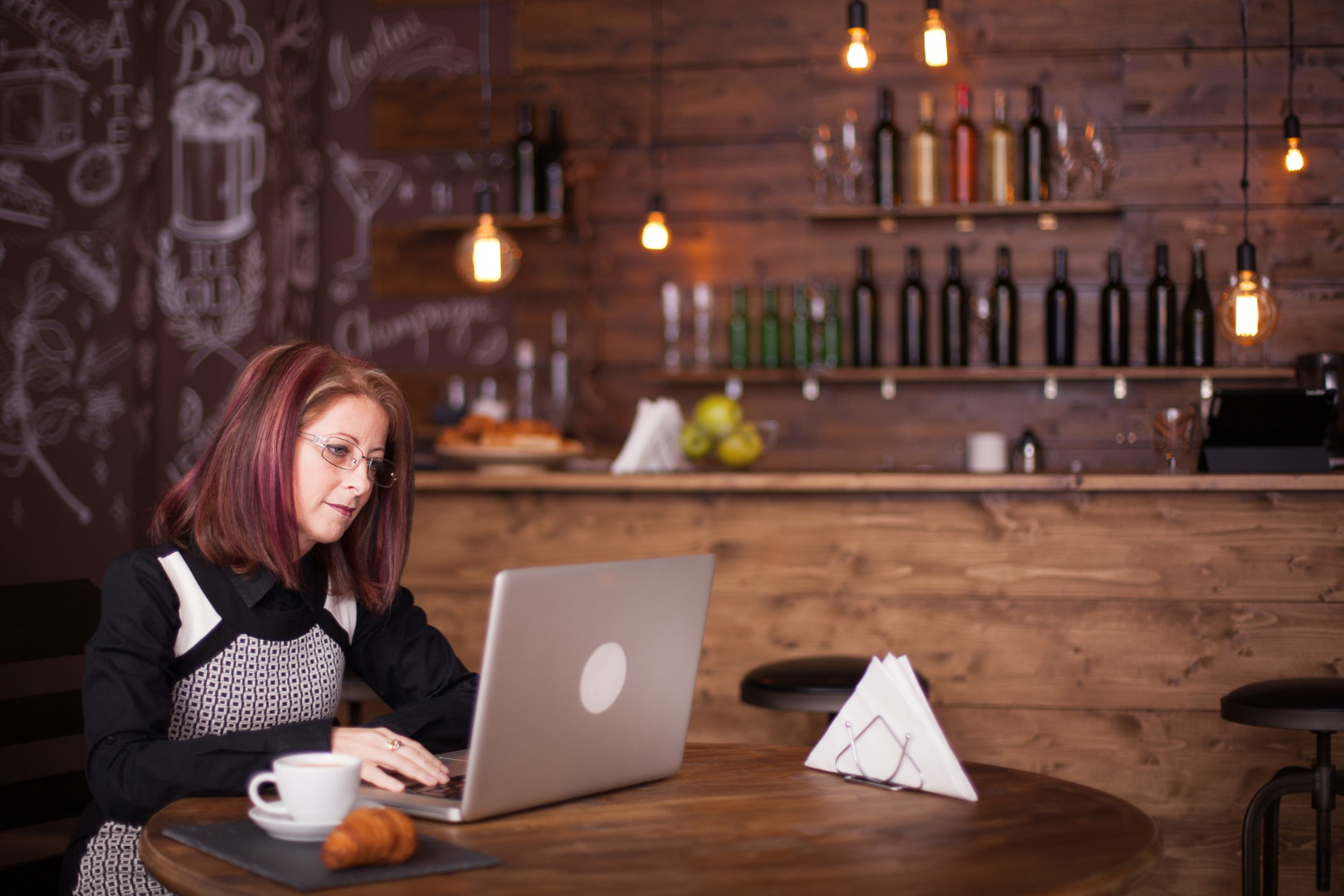
You answer emails between bites and take calls from a corner booth. Restaurants that once centered on shared meals now accommodate remote workers with outlets and flexible seating. For you, it feels productive. You combine errands, meals, and meetings into one efficient outing.
Blending work with dining saves time, yet it shifts the purpose of the space. You focus on deadlines, not conversation. Even when others sit nearby, you remain mentally elsewhere. Meals turn into background tasks instead of shared rituals. If you consistently treat restaurants as temporary offices, you may miss chances to connect with friends or even strangers.
8. Travel Dining Alone Without The Stigma

You plan a trip and never hesitate to book reservations for one. Travel guides encourage solo dining as a sign of confidence and curiosity. You sit at a seafood shack in Maine or a rooftop spot in Los Angeles and savor the experience fully on your own.
Travel can empower you. You choose restaurants based on your taste, not compromise. Yet even on the road, repeated solo meals can amplify loneliness, especially at night. Watching couples toast or families laugh may trigger a pang you did not expect. Independence shines during the day. Evenings can feel quieter. Recognizing those emotions does not diminish your strength.
9. Dining Alone By Choice Versus By Circumstance
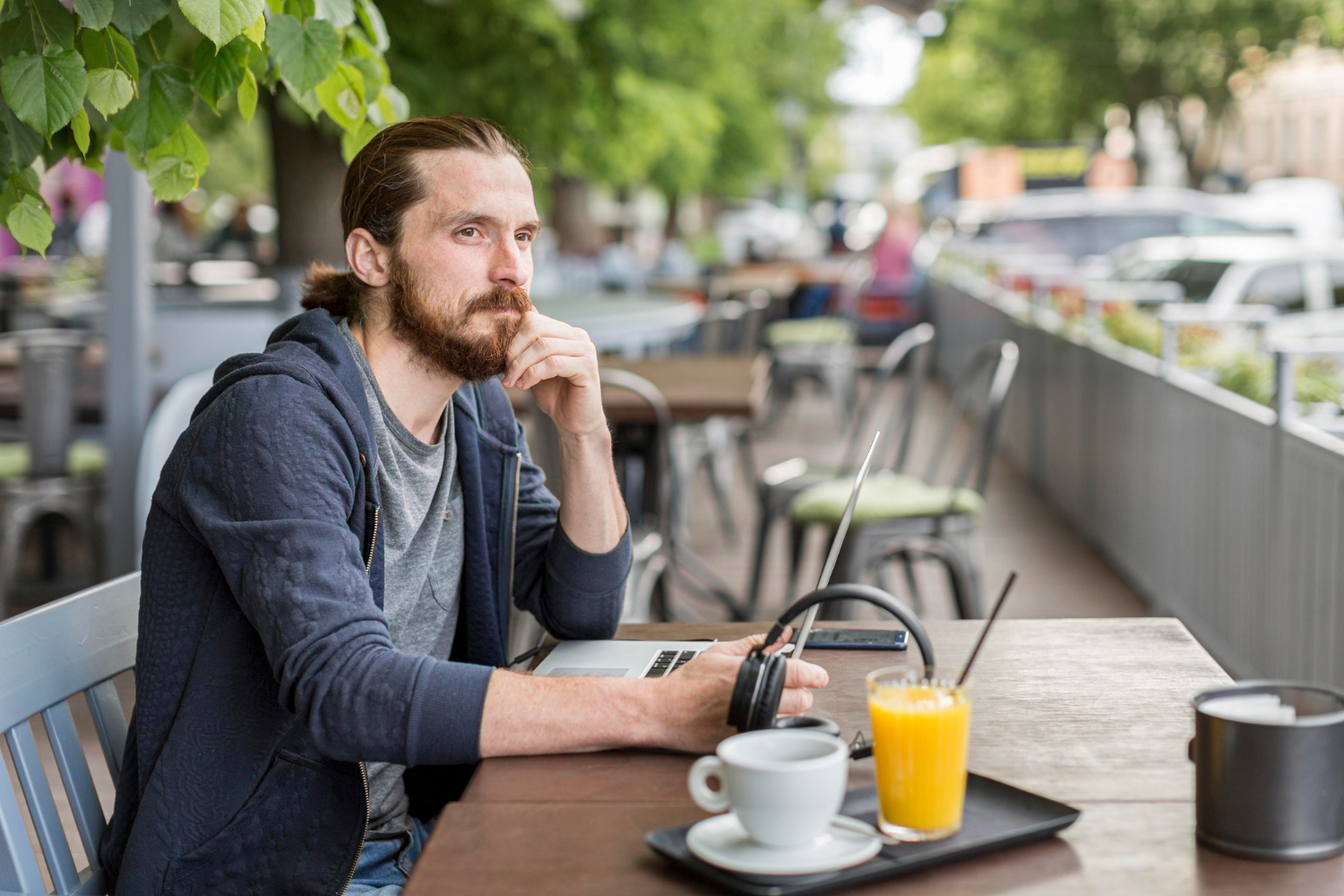
You tell yourself you prefer eating alone. Sometimes that is true. Other times, your schedule, budget, or social circle limits your options. The difference between choice and circumstance matters. When you actively decide to enjoy your own company, solo dining feels freeing. When you default to it because no one feels available, the experience shifts.
Over time, you may stop extending invitations to avoid rejection or inconvenience. You normalize solitude instead of addressing it. Honest reflection helps you understand your patterns. Are you choosing independence, or accepting isolation? Recognizing that distinction empowers you to seek balance. Solo meals can enrich your life.
10. Social Media Making Solo Meals Look Empowering
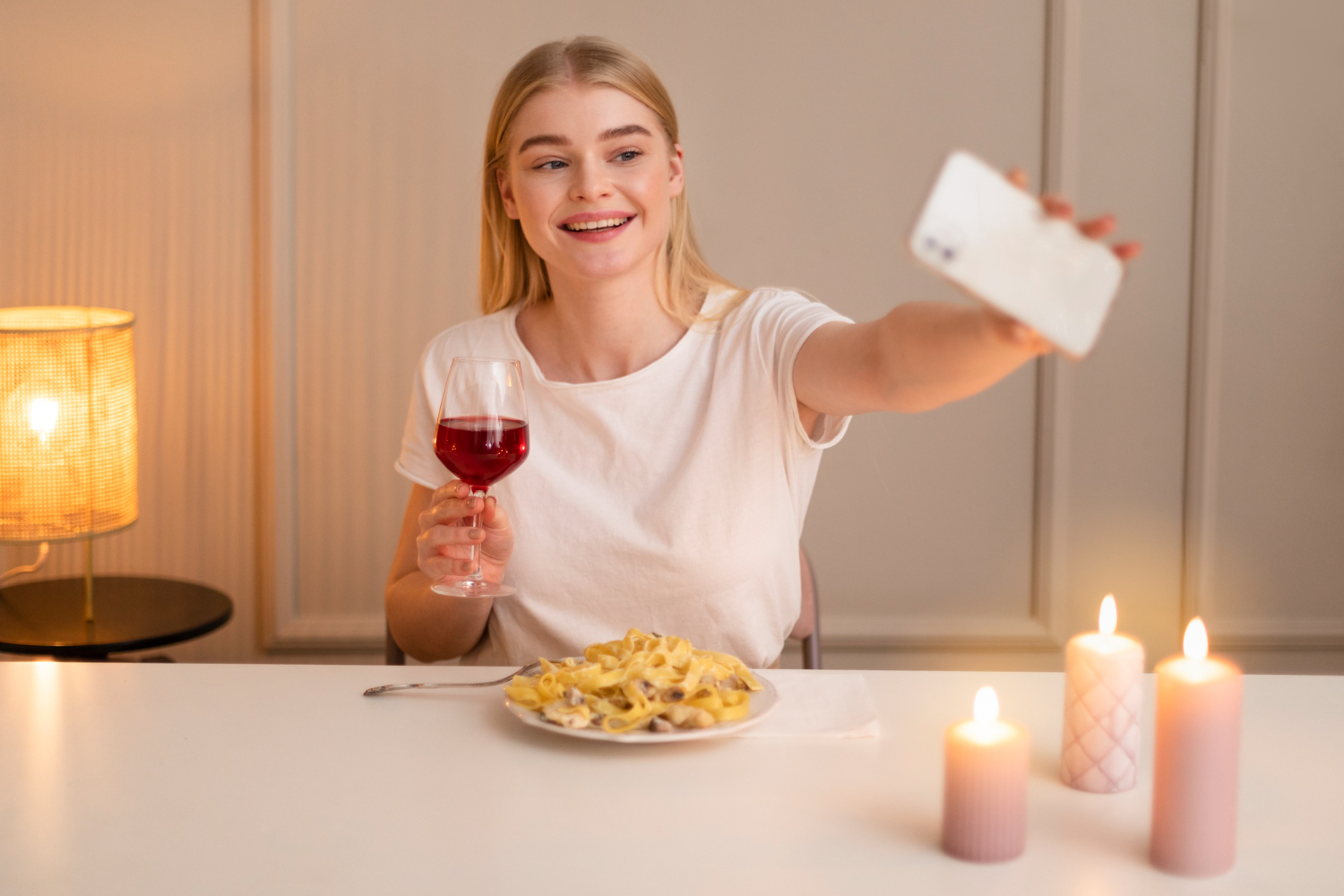
Scroll through Instagram or TikTok and you see curated photos of solo dinners, wine glasses glowing under soft light, captions celebrating independence. The message feels clear. Taking yourself out signals confidence and self love. You may feel inspired to do the same.
Social media rarely shows the full picture. It highlights the aesthetic, not the aftermath. A beautiful photo does not reveal whether you felt connected or alone. Comparing your experience to curated posts can distort expectations. You may push yourself to appear empowered rather than admit you want company. Authentic confidence allows both pride in solitude and openness to connection.
11. When Independence Quietly Turns Into Isolation
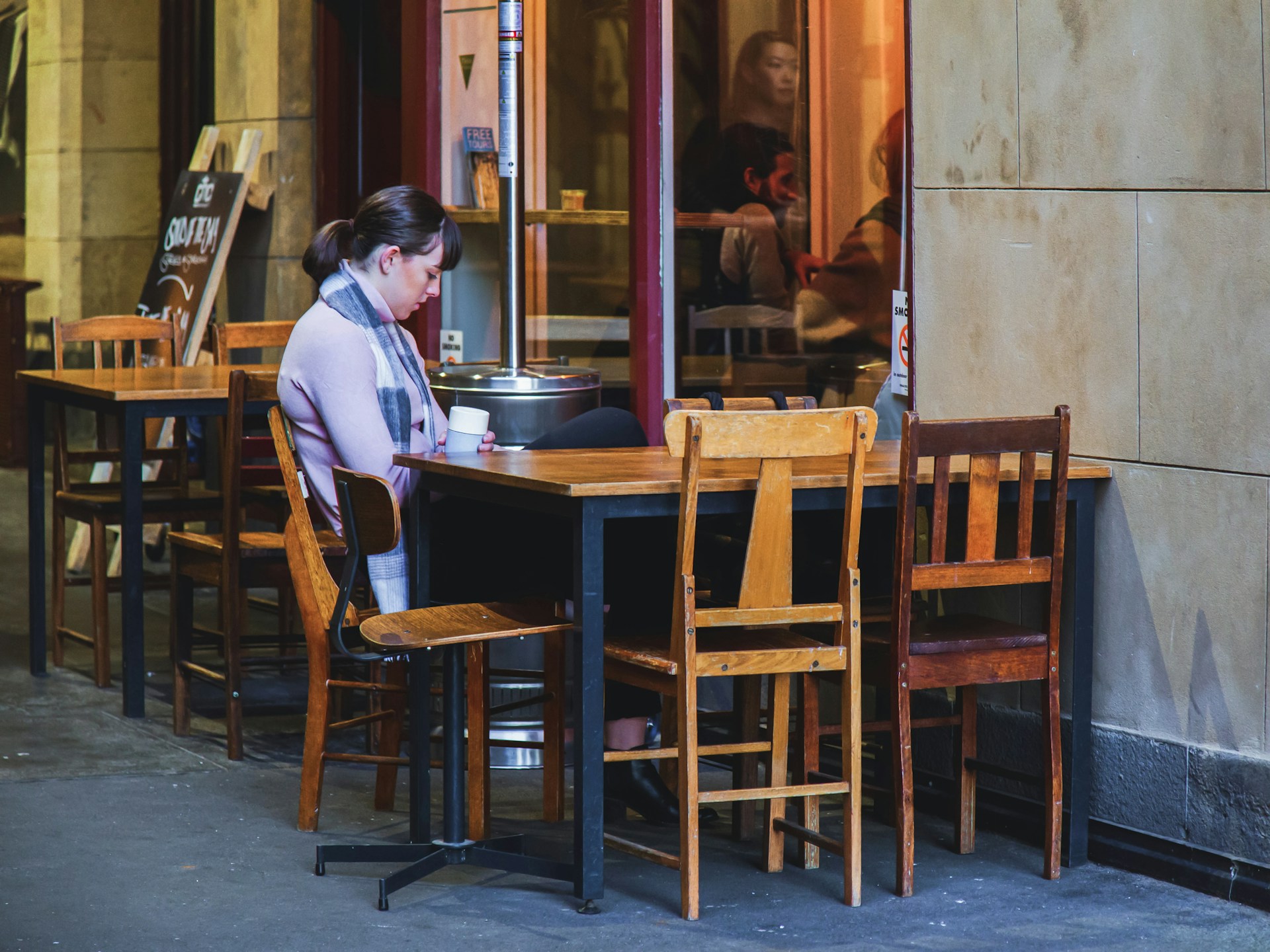
You value autonomy. You appreciate the freedom to eat when and where you want. Solo dining reflects that independence. The hidden problem emerges gradually. Invitations decline. Text threads fade. Familiar servers replace close friends. You rarely notice the shift until silence feels heavier than peaceful.
Isolation does not arrive dramatically. It settles in through routine. Paying attention to your emotional response after a meal can reveal the truth. Do you feel restored or disconnected? Choosing to occasionally invite someone, join a community event, or linger in real conversation can rebalance your habits. Solo dining remains a modern norm.


