


Bathrooms might seem like ordinary spaces, but around the world, they are governed by laws and customs that range from practical to peculiar. From strict disposal rules in Greece to time limits in busy Parisian train stations, these regulations protect plumbing, public health, and social norms. Understanding local bathroom laws not only prevents fines or embarrassment but also offers a fascinating glimpse into how different cultures approach cleanliness, privacy, and shared spaces. Awareness ensures a smoother and more respectful travel experience.
1. Strict Toilet Paper Disposal in Certain Countries
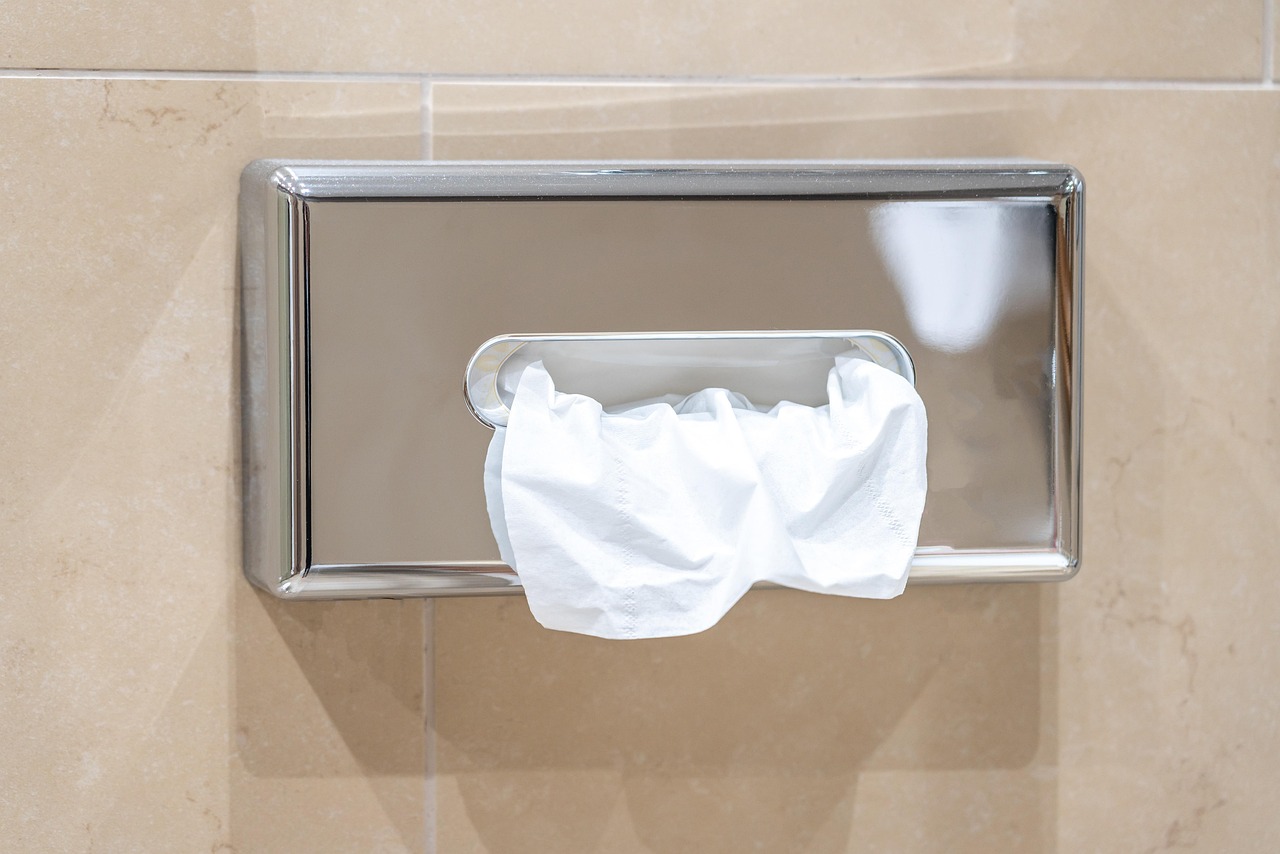
In parts of Greece, Turkey, and some other countries, the plumbing systems in older buildings and public facilities cannot handle flushed toilet paper. Signs instruct visitors to dispose of used paper in bins rather than the toilet. Ignoring this rule can cause clogs, damage infrastructure, and inconvenience others. Tourists unfamiliar with this practice may find it unusual, but it’s a practical measure rooted in plumbing limitations. Respecting the rule ensures the smooth functioning of shared facilities and demonstrates cultural awareness.
2. Mandatory Bidet Use in Specific Regions
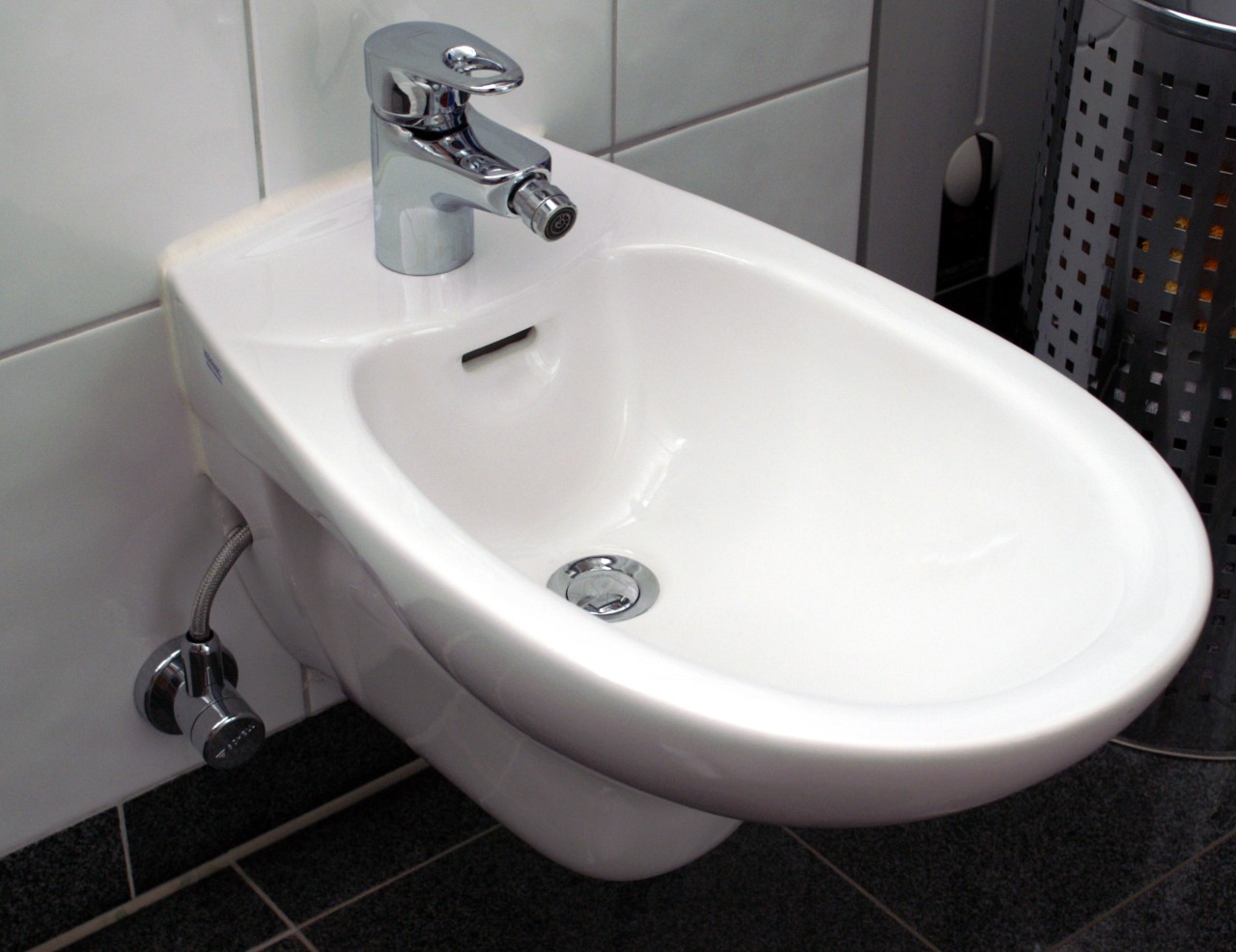
In Italy, Japan, and parts of Portugal, bidets are standard in homes and public restrooms, reflecting high hygiene standards. Some facilities provide detailed instructions for proper use, and in certain communities, using a bidet is culturally expected. Ignoring or misusing these fixtures can be seen as disrespectful or unsanitary. The practice emphasizes personal cleanliness and is deeply embedded in local traditions. Understanding bidet etiquette allows travelers to navigate bathrooms confidently and align with regional hygiene norms.
3. Public Bathroom Etiquette Fines
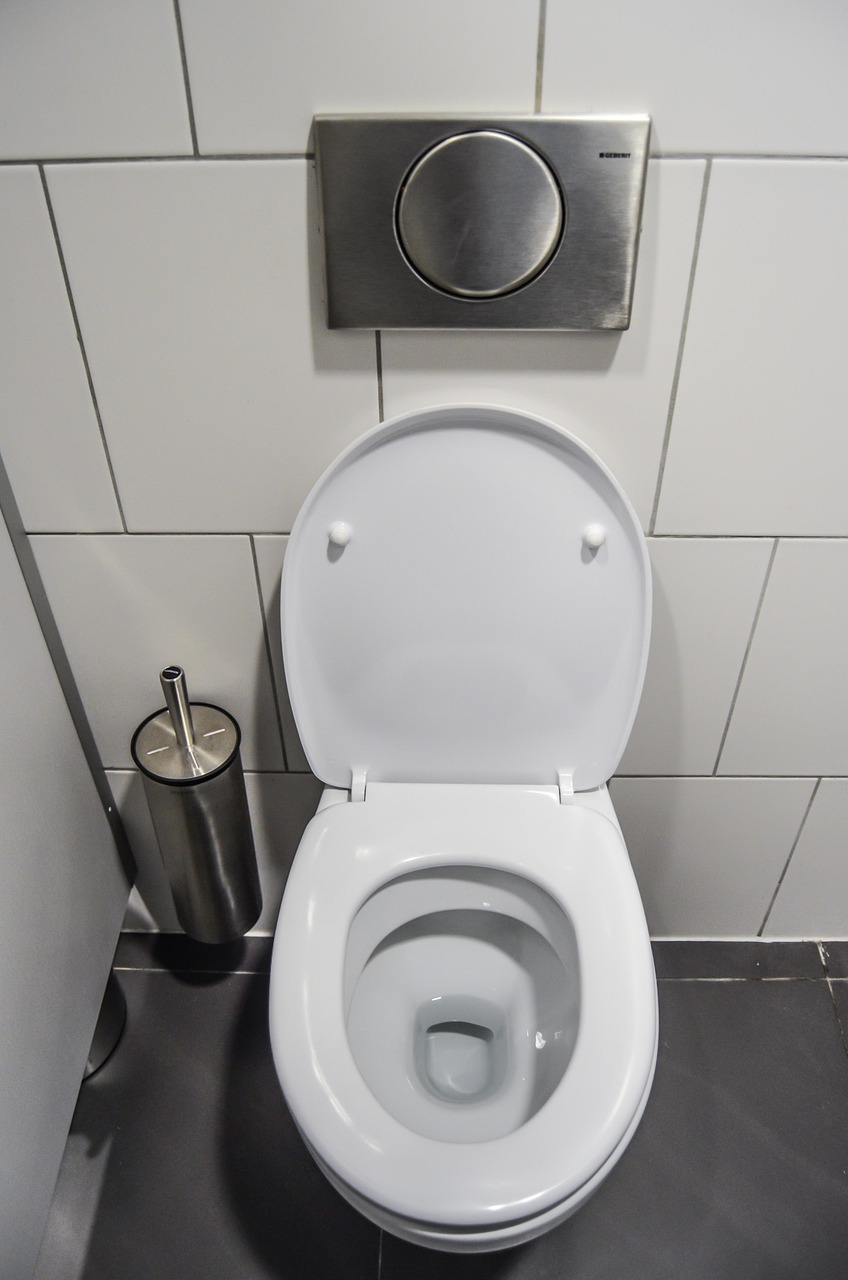
Countries like South Korea and Singapore enforce strict public restroom rules. Users are expected to flush after use, keep the area clean, and dispose of waste properly. Failure to comply can result in warnings, fines, or community service, depending on the severity of the violation. These laws are part of broader public health measures designed to maintain hygiene in densely populated urban areas. Observing these rules not only avoids penalties but also shows respect for fellow citizens who rely on shared facilities every day.
4. Gender-Specific Bathroom Restrictions
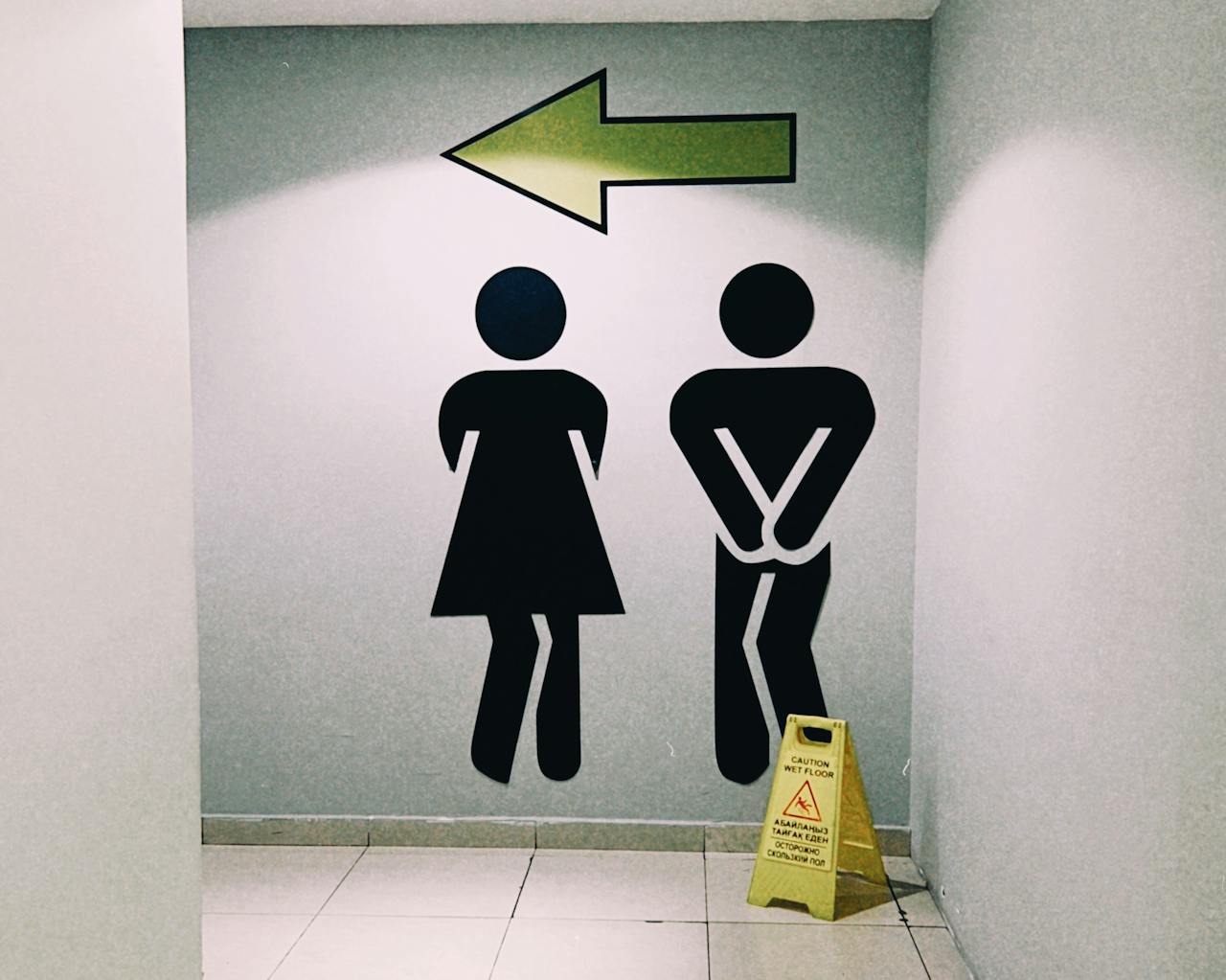
Many countries have legal or cultural rules defining bathroom access by gender. Using a facility designated for the opposite sex, even by accident, can lead to fines or other legal consequences. In some places, signage is clear, while in others, customs are more rigid and enforced socially. These rules often stem from cultural norms about modesty, privacy, and safety. Travelers are encouraged to pay attention to signage and local guidance to avoid unintentional breaches and navigate facilities respectfully.
5. Alcohol and Bathroom Regulations
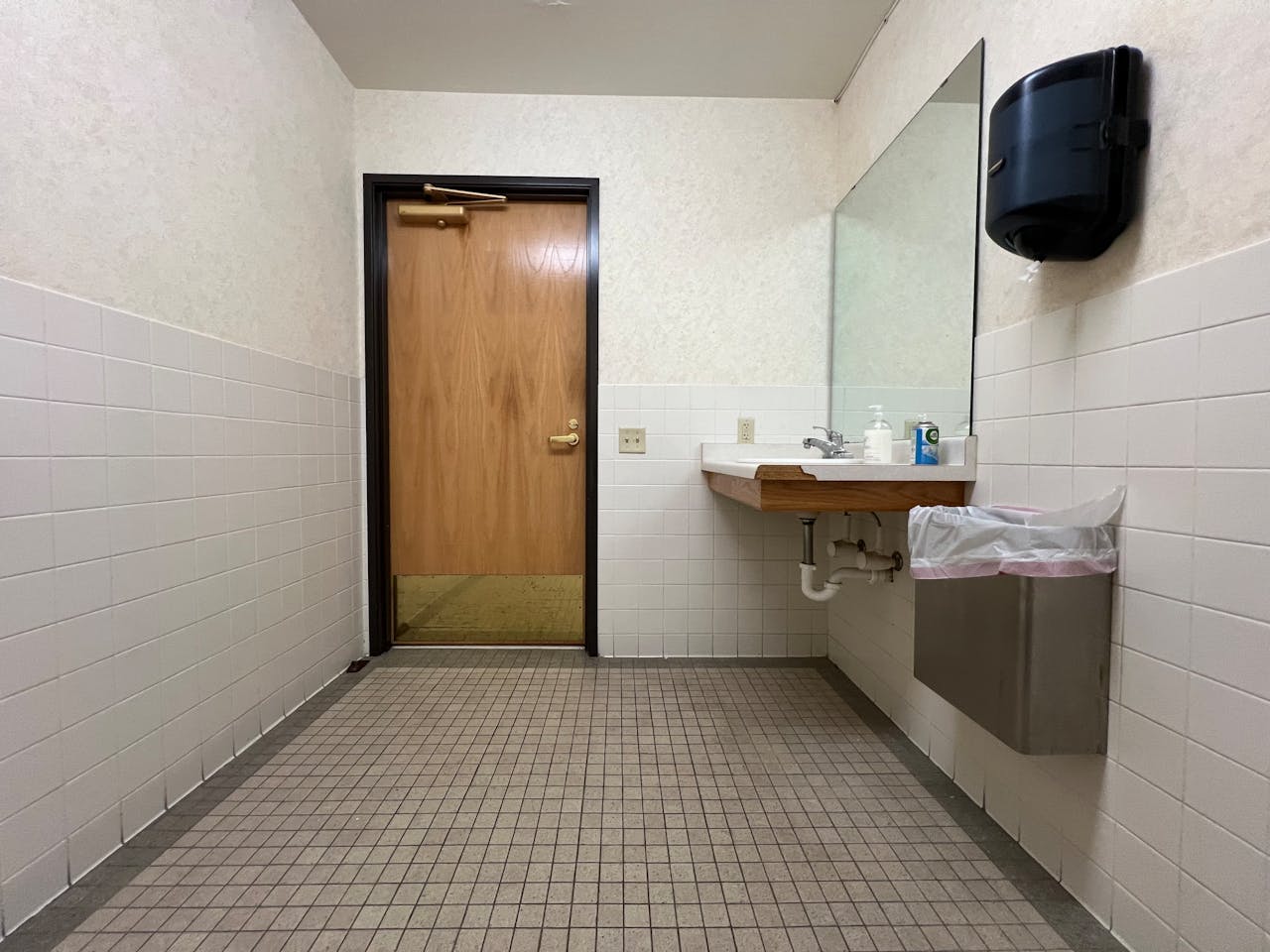
Several U.S. states and other regions prohibit consuming alcohol in public bathrooms. These laws aim to prevent unsafe behavior, maintain cleanliness, and reduce public disturbances. Violating the rule can result in fines, arrests, or community service. While the regulation may seem unusual to tourists, it reflects a broader approach to maintaining public order and safety. Awareness of local alcohol regulations, even in private or semi-public facilities, is essential to avoid unintended legal trouble.
6. Bathroom Access Laws in Businesses
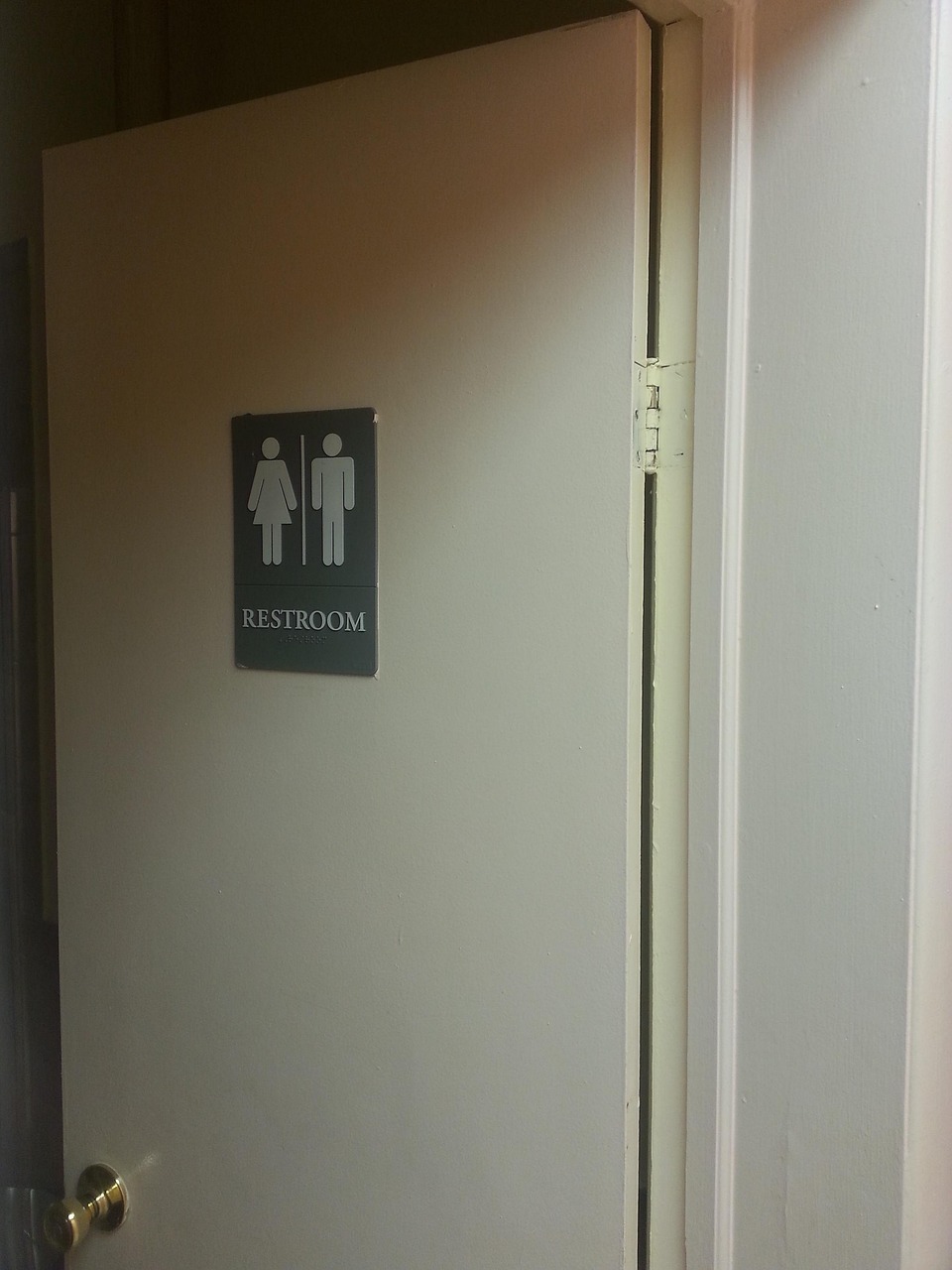
In countries like Germany, France, and some Nordic nations, businesses are legally obligated to provide restroom access, especially to paying customers. Failure to comply can result in fines. These regulations ensure basic hygiene standards and equal access to essential facilities. For tourists, it’s important to note that access may be restricted to patrons, and tipping for restroom use is discouraged in places where access is a legal right. This law illustrates how hygiene is considered a public necessity rather than a privilege.
7. Toilet Etiquette in Japan
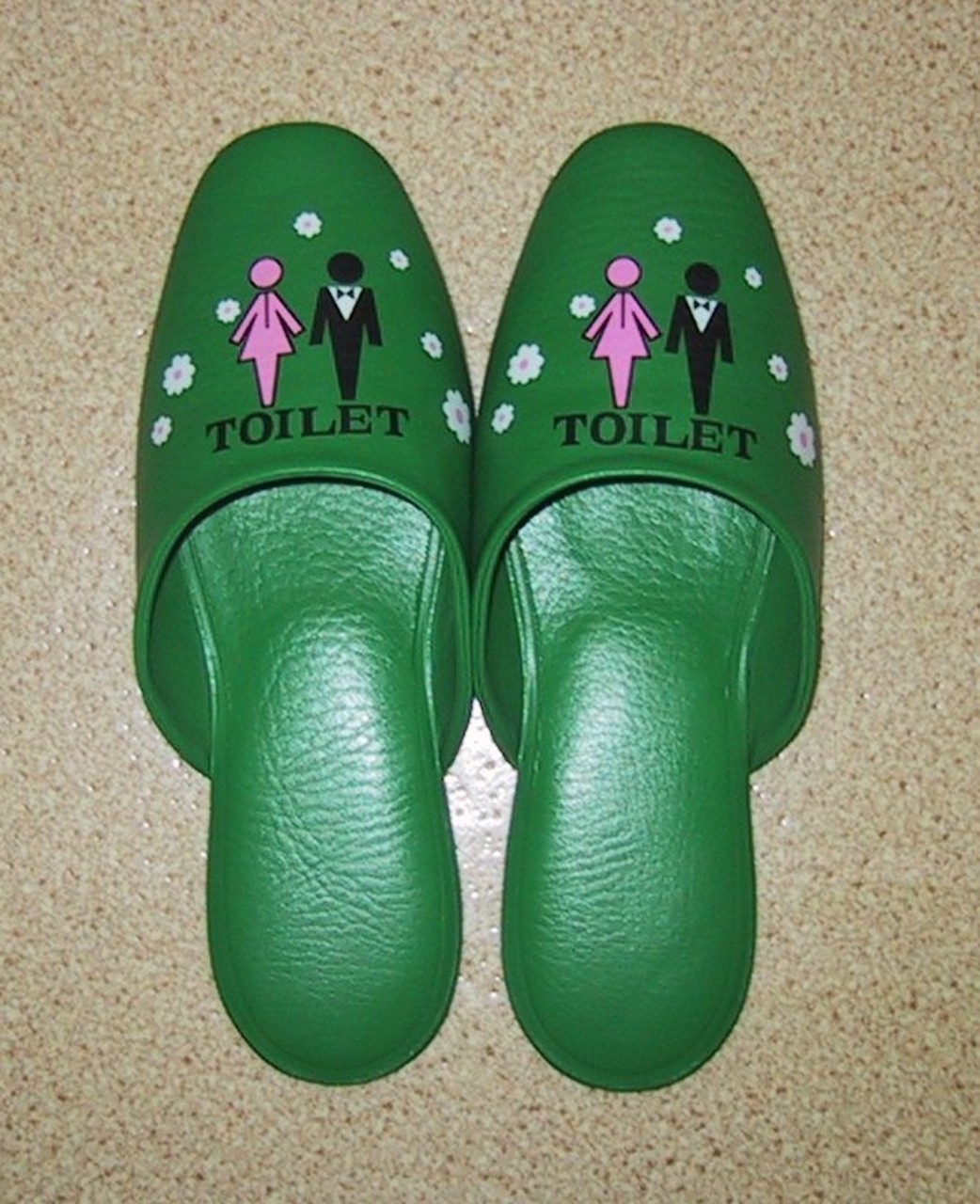
Japanese public restrooms often have precise etiquette rules, including removing shoes before entering certain facilities, using provided slippers, and cleaning up after oneself. These practices are rooted in broader cultural values of cleanliness and respect for shared spaces. Non-compliance can cause social embarrassment even if legal consequences are minimal. Learning these small yet meaningful customs allows visitors to show respect for local norms and enjoy the convenience and efficiency of Japan’s highly maintained restroom facilities.
8. Bathroom Time Limits
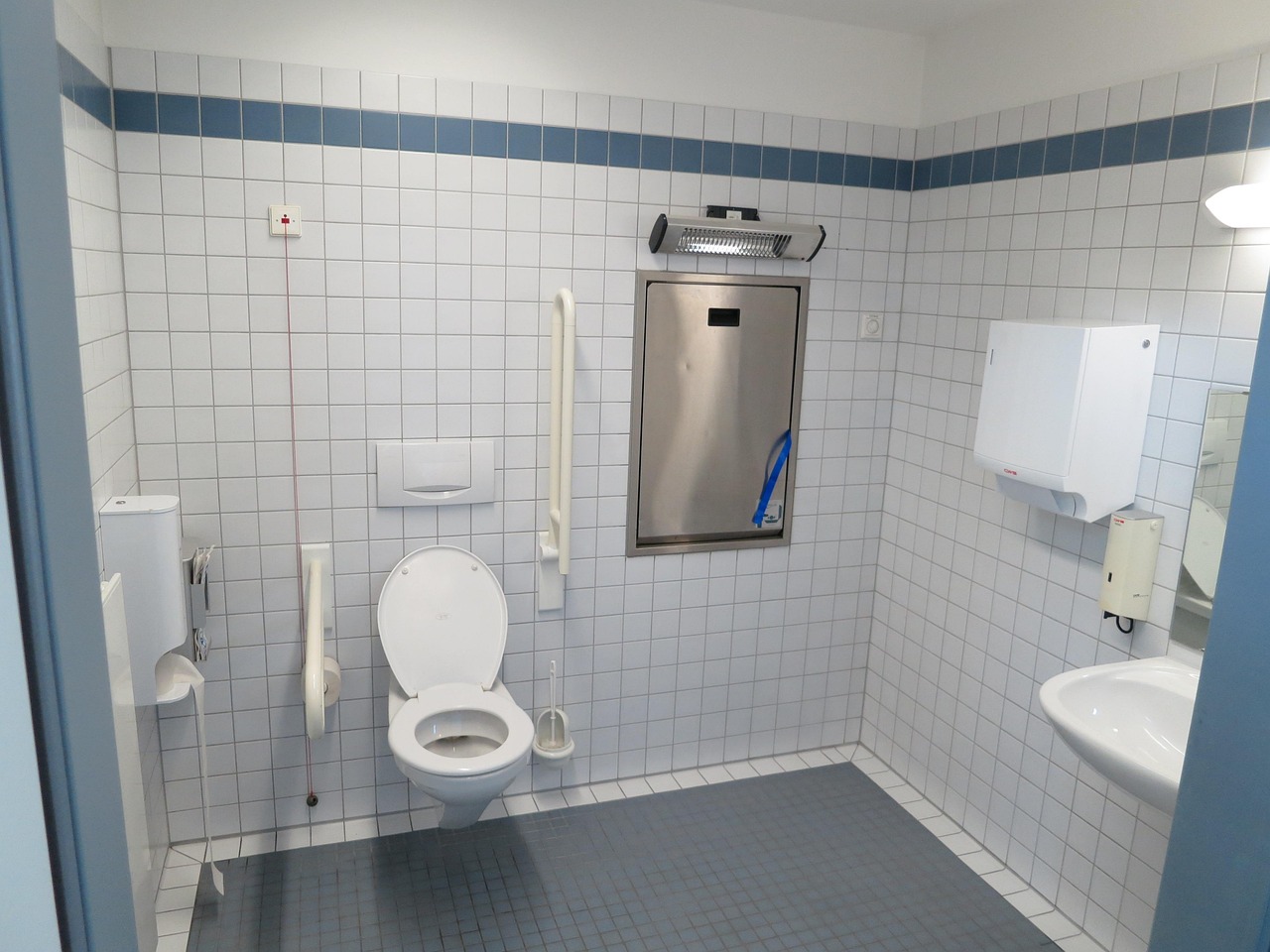
Public restrooms in high-traffic areas like Paris or London train stations often impose time limits, typically around five to ten minutes, to ensure access for all visitors. Overstaying can result in warnings or minor fines. These rules help manage queues and prevent abuse, especially in crowded urban centers. For travelers, being mindful of time in public facilities is a simple courtesy that aligns with local expectations. Awareness of these limits also helps avoid awkward confrontations and ensures a smoother experience for everyone.
9. Prohibition on Smoking in Bathrooms

Indoor smoking bans are enforced worldwide, including in the UK, Canada, and many European countries. Public restrooms are no exception. Smoking in a bathroom can lead to fines, legal penalties, or being asked to leave the premises. These laws protect health, reduce fire risks, and maintain hygiene. Visitors should recognize that what may feel like a minor rule in some countries is taken very seriously elsewhere. Respecting no-smoking regulations helps ensure compliance and contributes to cleaner, safer shared spaces.
10. Child Supervision Requirements

Certain regions, particularly in schools, malls, or large public venues, require adults to supervise children in bathrooms. This rule is designed to prevent accidents, misuse of facilities, and ensure child safety. Violating these regulations can result in warnings or legal consequences, depending on the location. Parents and guardians must remain attentive, and understanding these expectations is crucial for families traveling abroad. Compliance also supports the broader community by ensuring that shared spaces remain safe and orderly for everyone.
11. Public Urination Laws
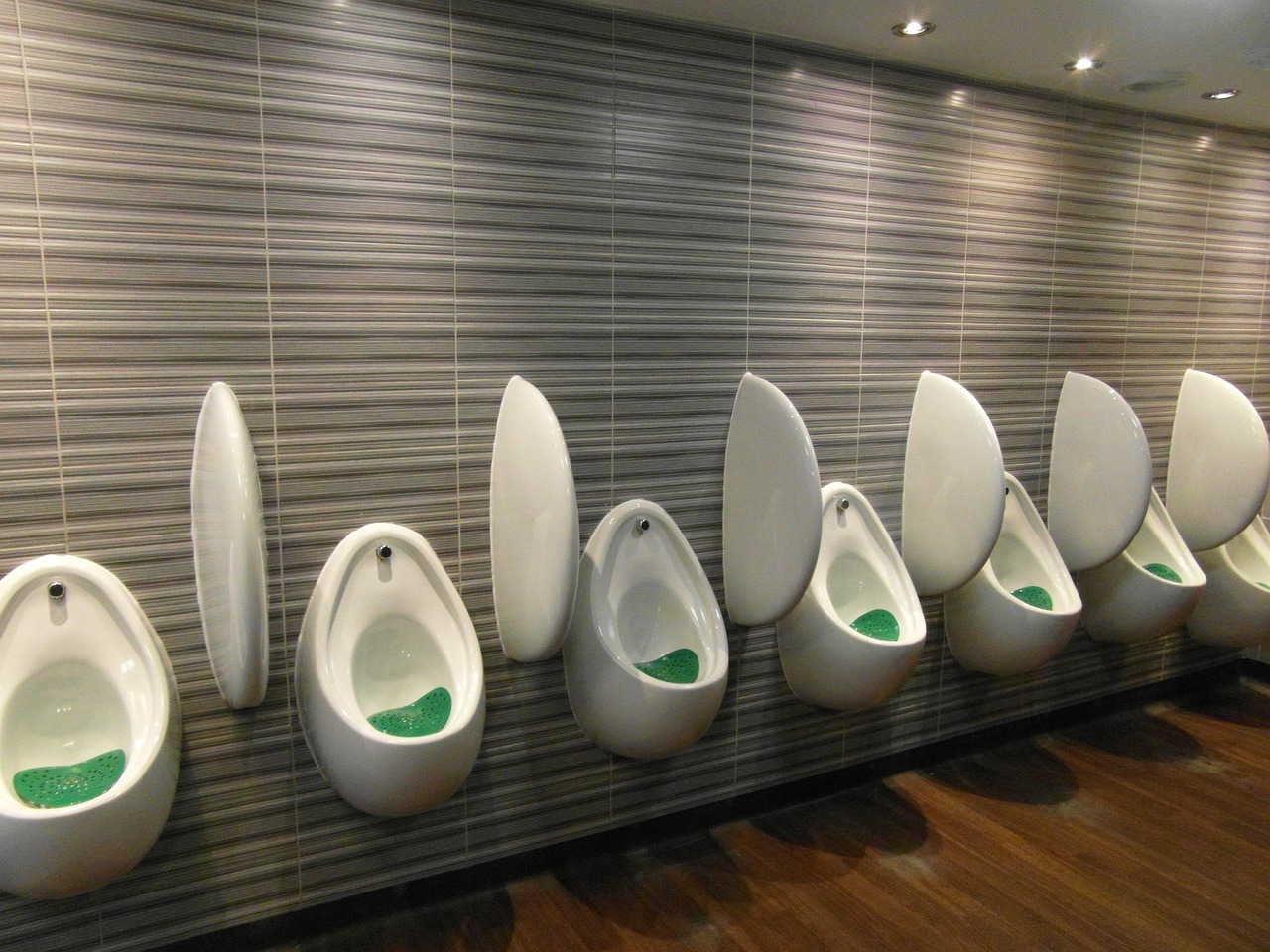
Many countries, from France to Singapore, impose strict penalties for urinating outside designated restroom facilities. Fines can be substantial, and repeat offenders may face arrest. These laws are part of broader public health and sanitation measures aimed at maintaining clean and safe urban spaces. Travelers unfamiliar with local expectations may be surprised, but adherence protects both personal legal standing and community hygiene. Public urination rules reinforce the importance of using designated facilities responsibly at all times.
12. Hygiene Product Disposal Regulations
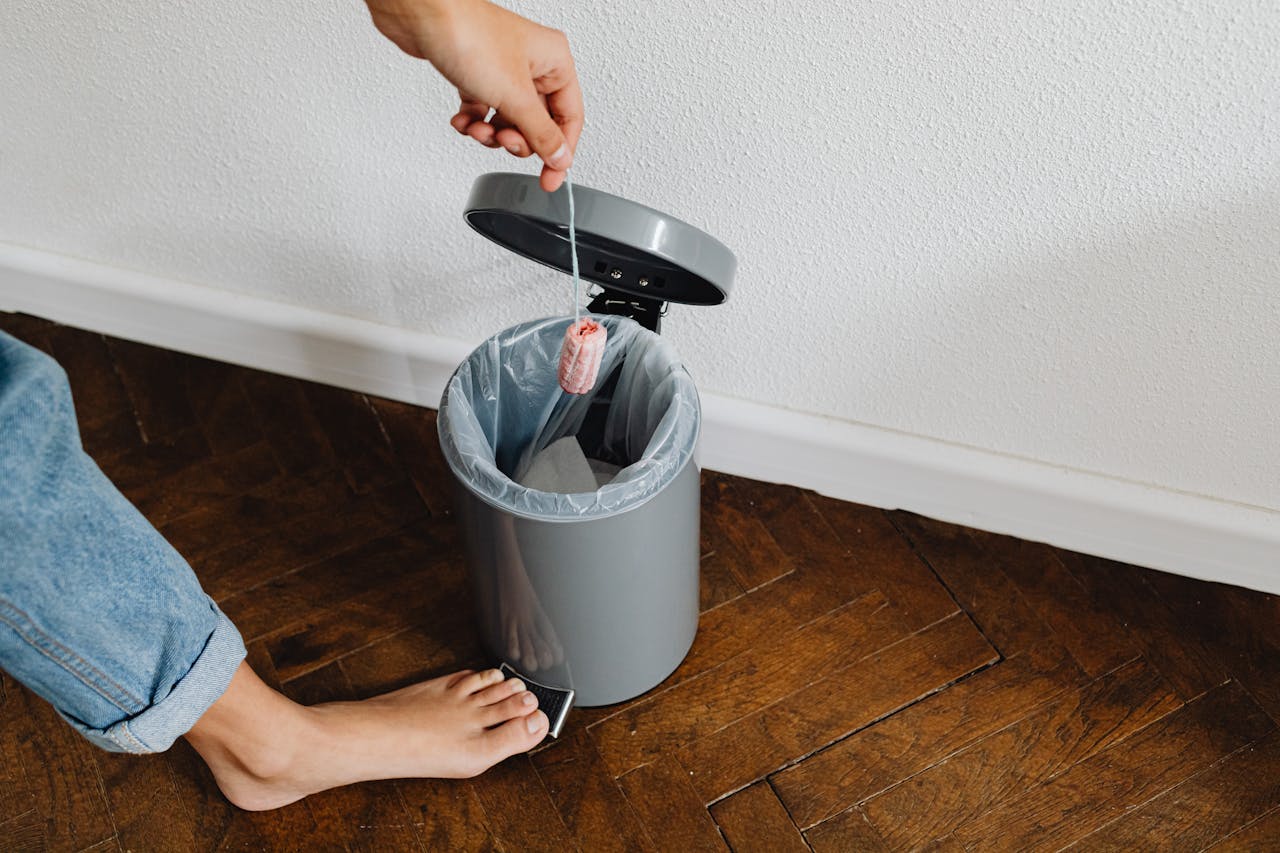
In countries like the Netherlands, Germany, and Japan, proper disposal of sanitary products is mandatory, with bins provided in stalls. Flushing items like tampons, sanitary pads, or wet wipes can clog plumbing and lead to fines. These regulations are rooted in public health concerns and infrastructure preservation. Observing these disposal rules demonstrates respect for local systems and ensures restrooms remain functional and sanitary for all users. Travelers benefit from paying attention to posted instructions to avoid both embarrassment and penalties.


