Back in the early 2000s, your backpack was more than a bag. It reflected who you were, what you cared about, and the culture you grew up in. You carried school essentials, but also items showing hobbies, obsessions, and social priorities.
From tiny collectibles to tech gadgets, these objects told stories about your identity before social media existed. Looking back, the things you packed reveal practicality, style, and peer influence. Your backpack was a window into your world, and these 13 items capture that era. Each item tells a small story about growing up in that moment. And it all fits in your bag.
1. Tamagotchi Pets
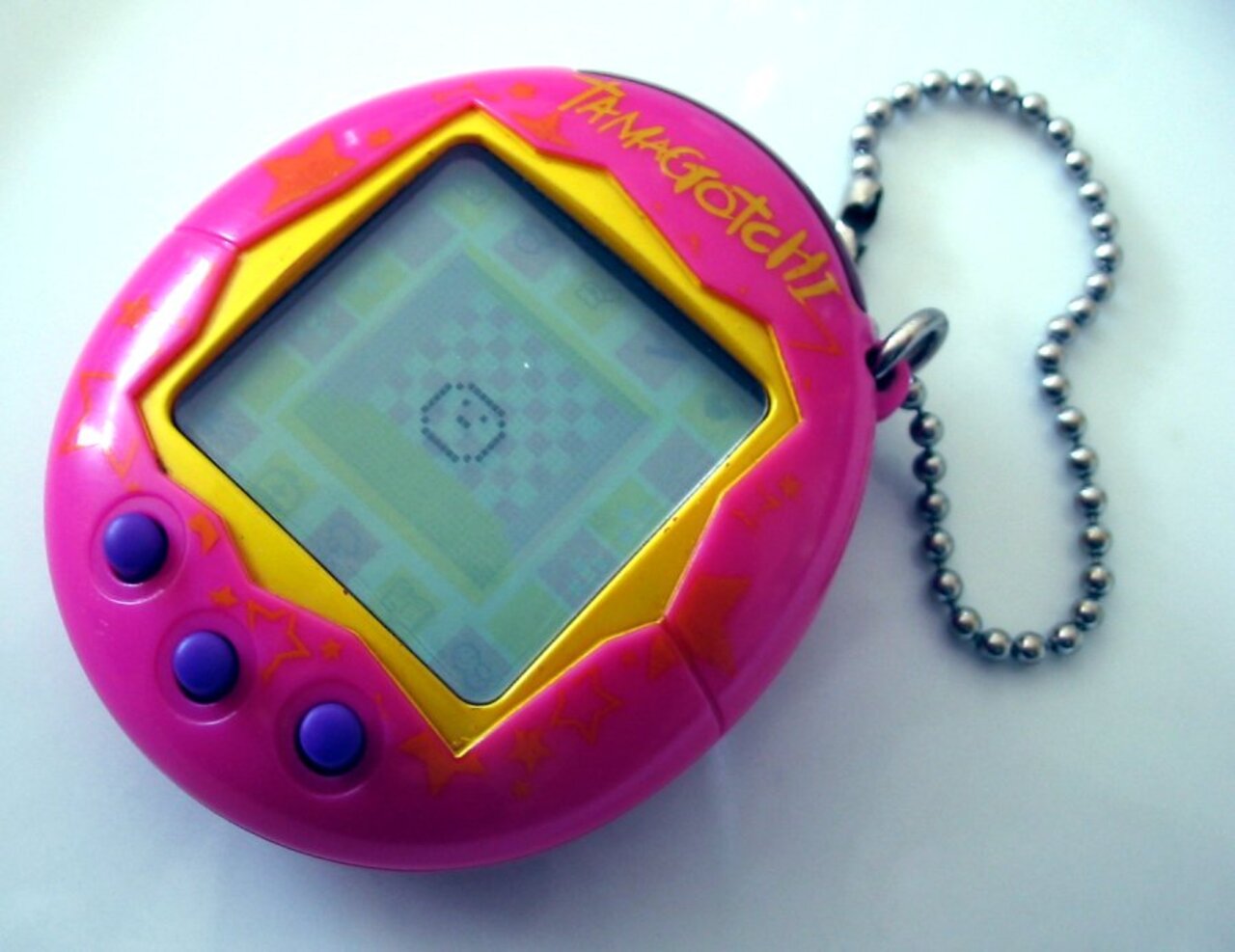
You carried Tamagotchis everywhere, balancing schoolwork and virtual responsibility. Their tiny screens taught you multitasking before you realized it. Losing a pet caused mini heartbreaks, and keeping it alive demanded routine and attention.
You bonded with it, sometimes sharing care duties with friends. It wasn’t just a toy; it taught commitment, consequences, and social skills. Seeing it beep in class brought panic and pride. Kids without one felt left out. Your backpack became a micro-universe where digital life and real life collided. It made every day a little more exciting. You couldn’t leave home without it.
2. Beanie Babies
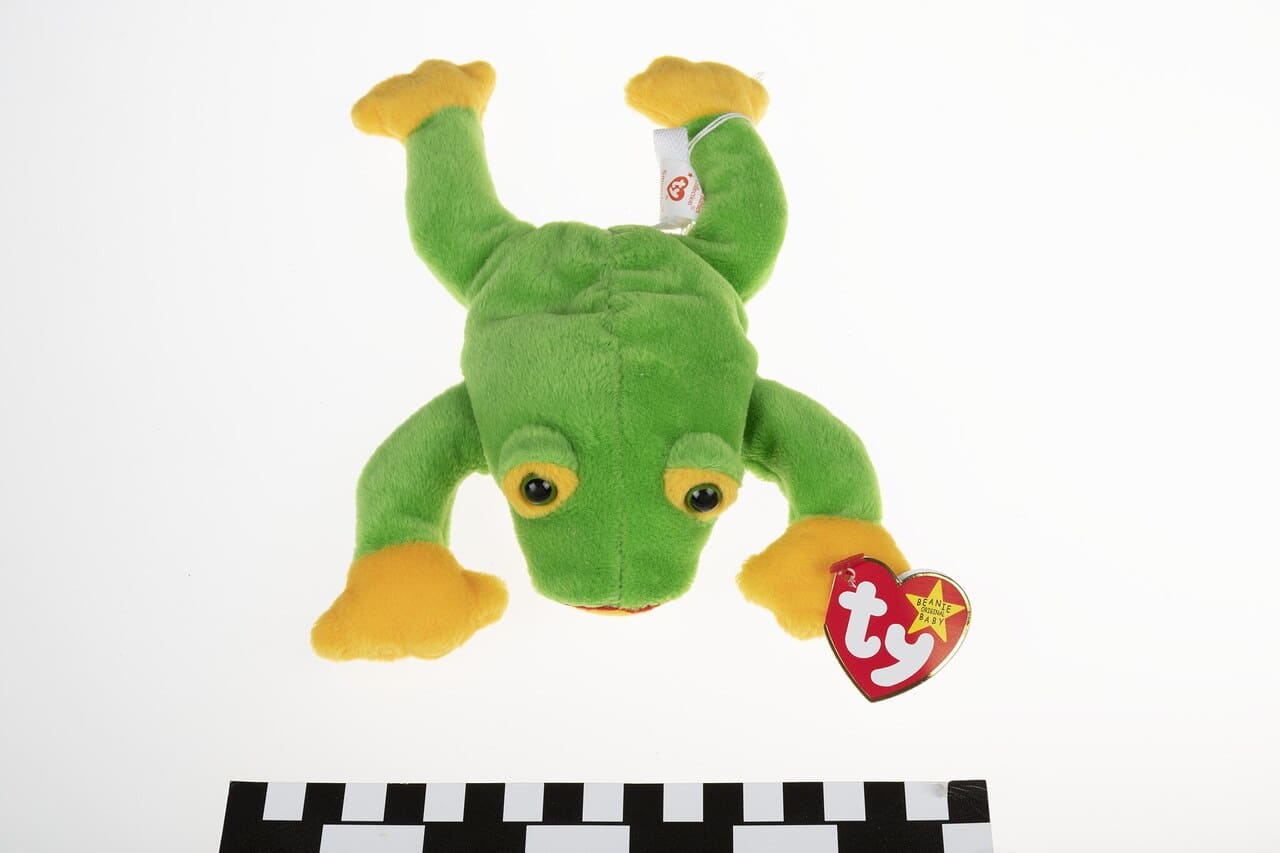
These plush toys weren’t just stuffed animals; they were collectible status symbols. Kids carefully displayed them on backpack straps or inside, showing off rare finds. Trading with classmates was a social ritual, and value often depended on tags or edition numbers. Carrying a Beanie Baby in your bag meant you understood trends, scarcity, and negotiation even at a young age.
The tiny toys taught you subtle lessons about economics and peer influence. Losing one could feel like losing status, and gaining a rare piece meant social validation. Your backpack was not only functional but a display case for tiny investments in friendship and identity.
3. Lisa Frank Folders and Notebooks
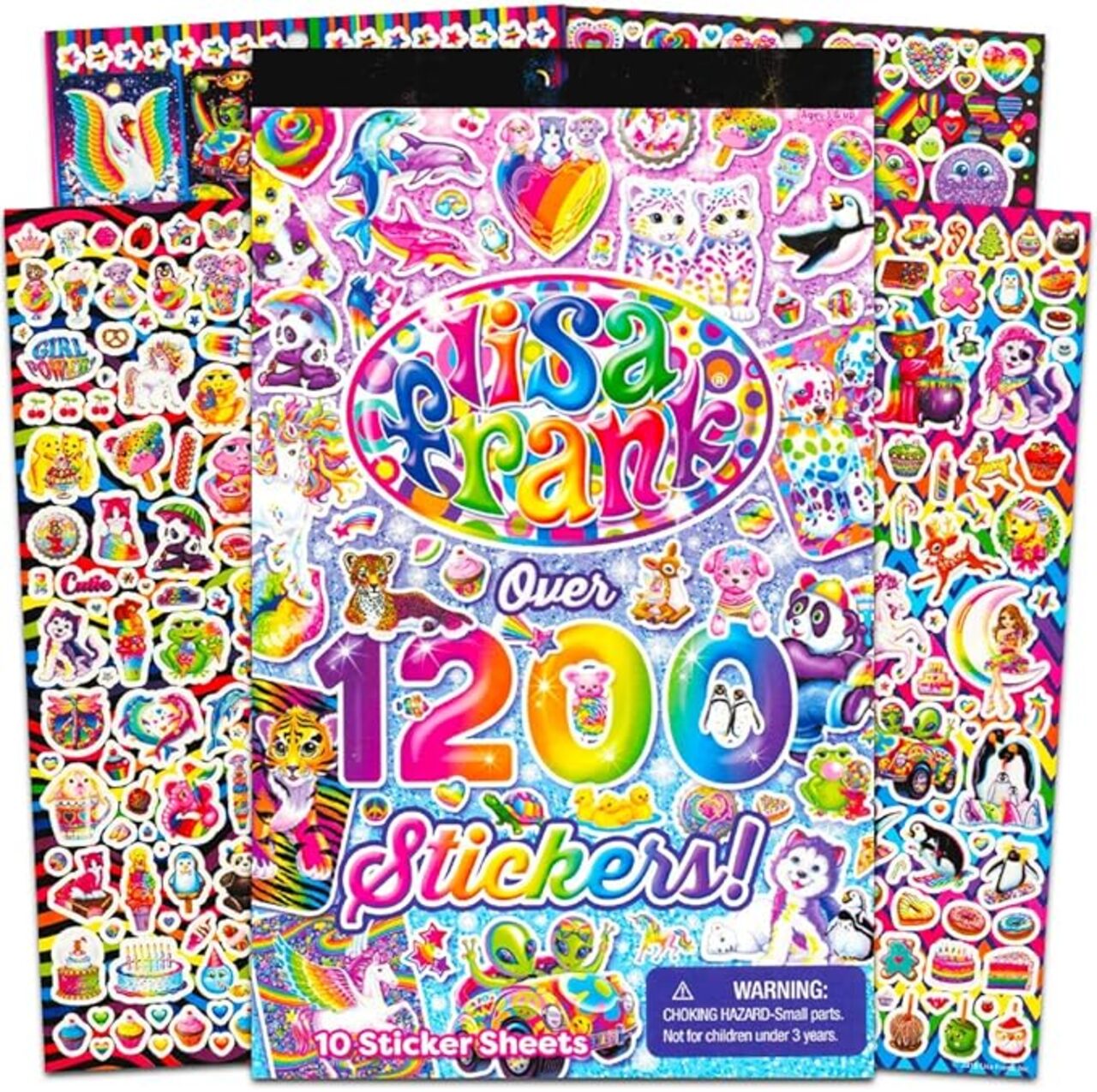
Brightly colored folders and notebooks from Lisa Frank screamed personality. They made your assignments more exciting and expressed your aesthetic tastes. You didn’t just carry papers; you carried statements about your creativity, mood, and social alignment. Matching pens or stickers added to the identity play, making you feel part of a larger visual trend.
These items show how you balanced utility and self-expression. Your choice of folder could influence peer interactions and even popularity. Backpacks became a canvas for creativity while still holding the practical tools of schooling, reflecting the tension between function and fun.
4. CD Walkman or MP3 Player
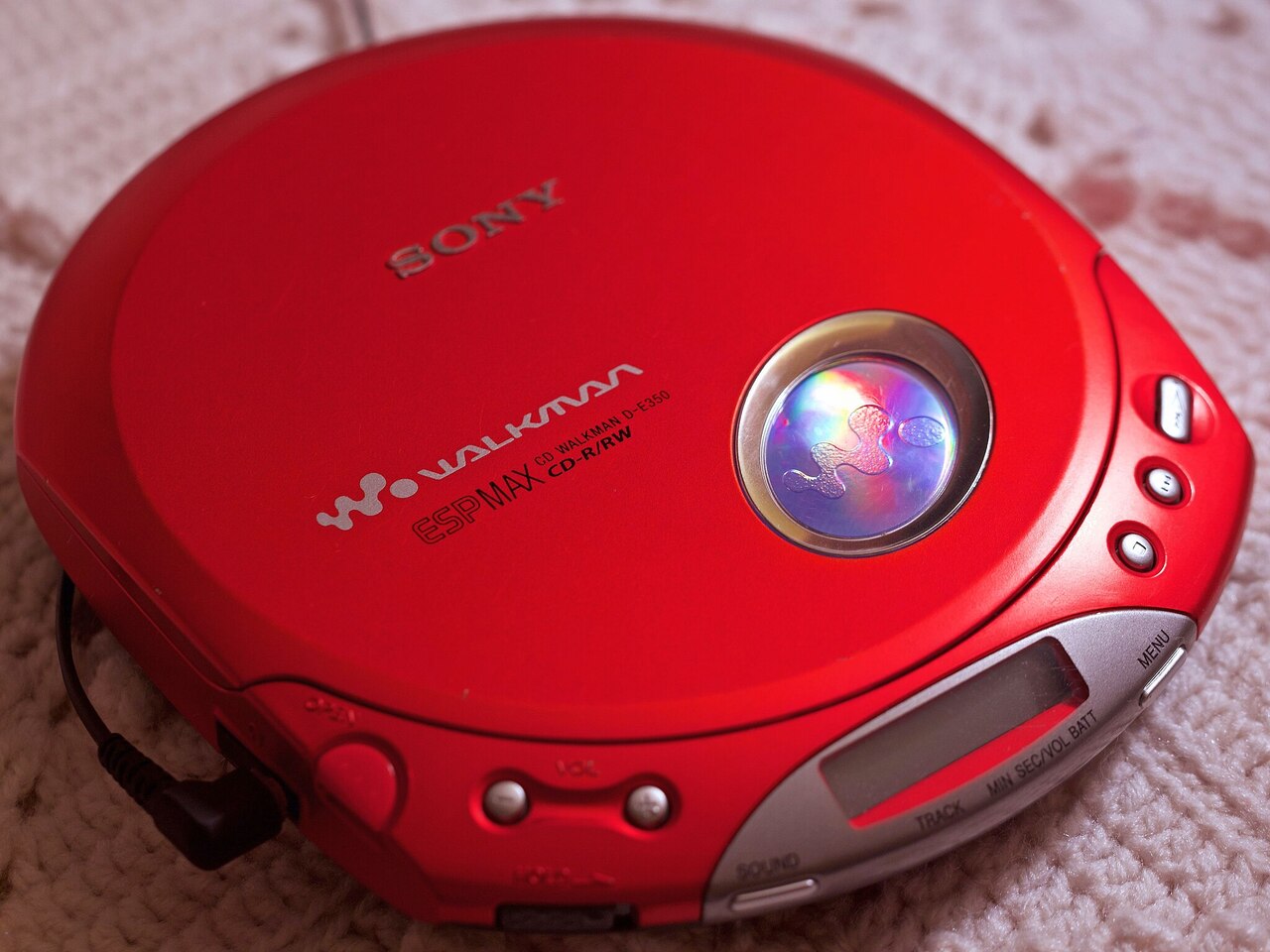
Carrying a CD Walkman or early MP3 player meant music traveled with you. You curated playlists, rewound tracks, and sometimes debated which CDs were essential for the day. Music became a portable identity marker, shaping mood, style, and social circles.
The device demanded attention and care: batteries had to be replaced, and headphones had to be managed carefully. These early gadgets reveal your desire for independence, personal taste, and the emerging tech culture. A backpack held not just school items but an extension of your personality. It sets the soundtrack for your day. You felt in control.
5. Gel Pens and Colorful Highlighters
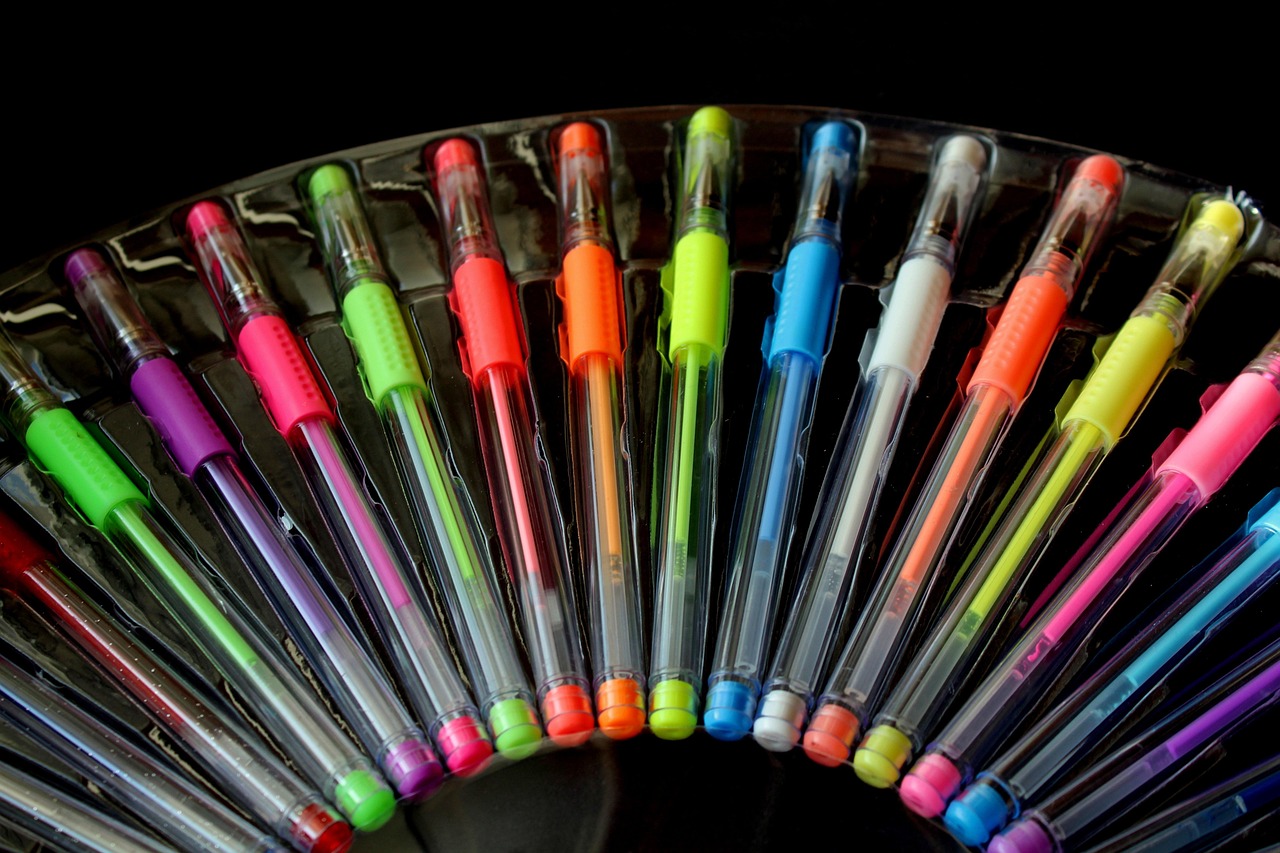
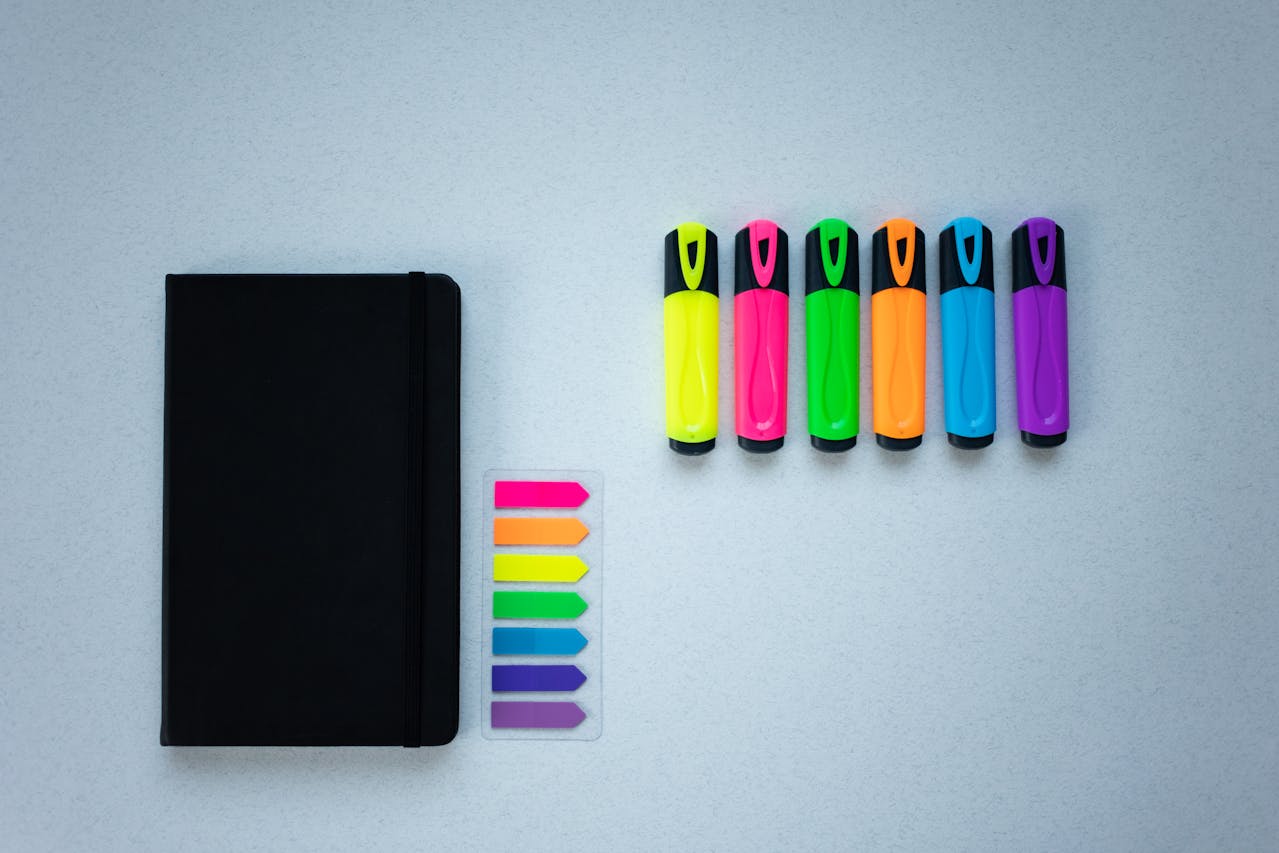
You carried multiple gel pens and highlighters, often organizing them meticulously. Writing in color wasn’t just for notes; it was a form of self-expression and creativity. These tools made assignments feel personal, turning plain pages into vibrant reflections of your mood and effort.
The pens also showed preparation and attention to detail. Teachers might have appreciated the colorful notes, but peers noticed the style. Backpacks became practical art kits, blending utility and personality. Your notes stood out instantly. Every page felt yours uniquely. It made studying more fun. Small details mattered.
6. Keychains and Charms
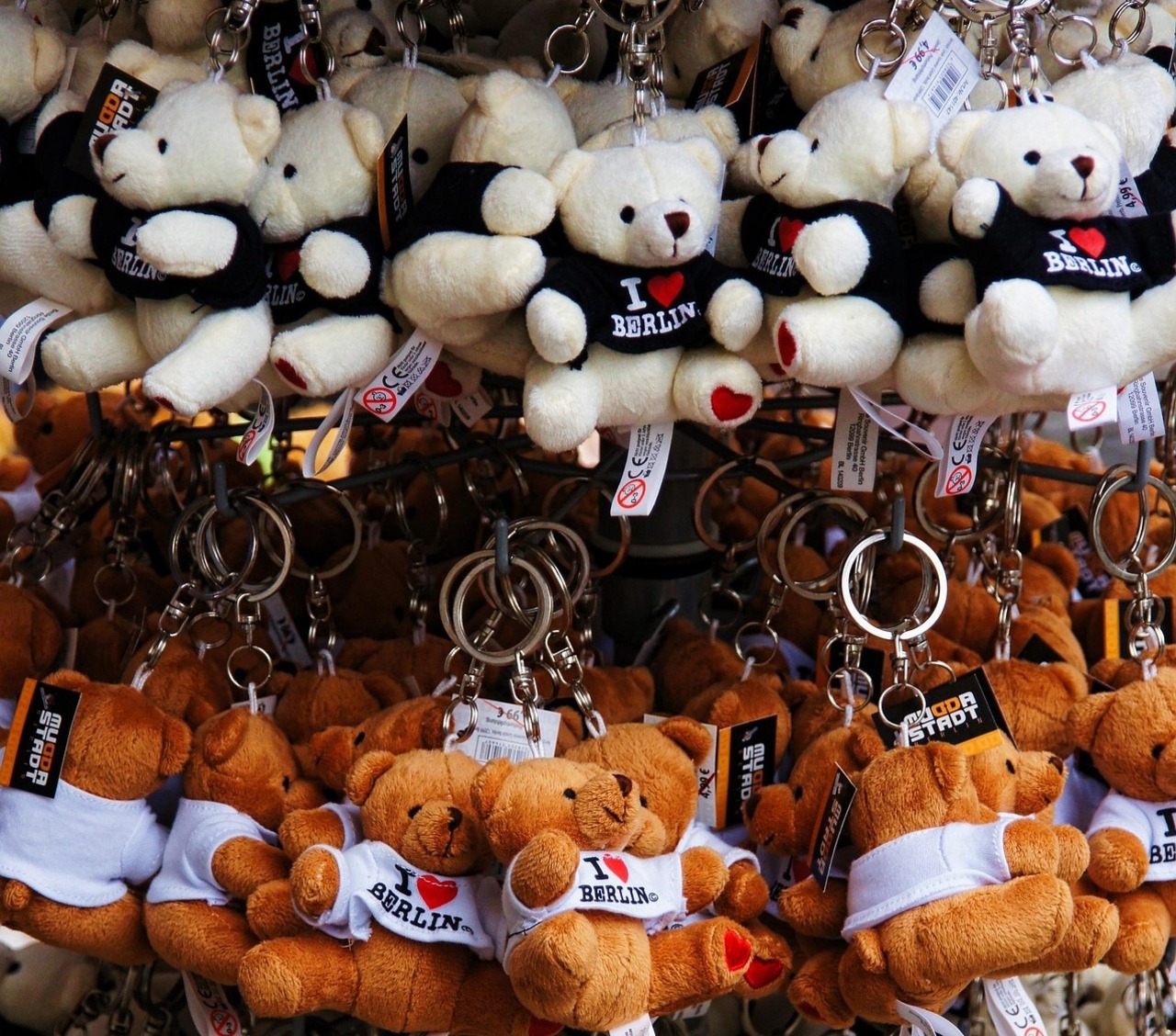
Keychains dangling from zippers were more than decoration; they told stories about your favorite shows, hobbies, or inside jokes. Every charm added a layer to your personal narrative and helped you stand out in a sea of peers.
Kids noticed these details, sparking conversation and forming connections. Backpacks were social billboards, signaling who you were and what mattered to you without a word spoken. The small items reveal how subtle communication shaped friendships. They started easy conversations. They showed your personality quickly. Small symbols carried meaning. You felt instantly recognized.
7. Homework Folders and Binders
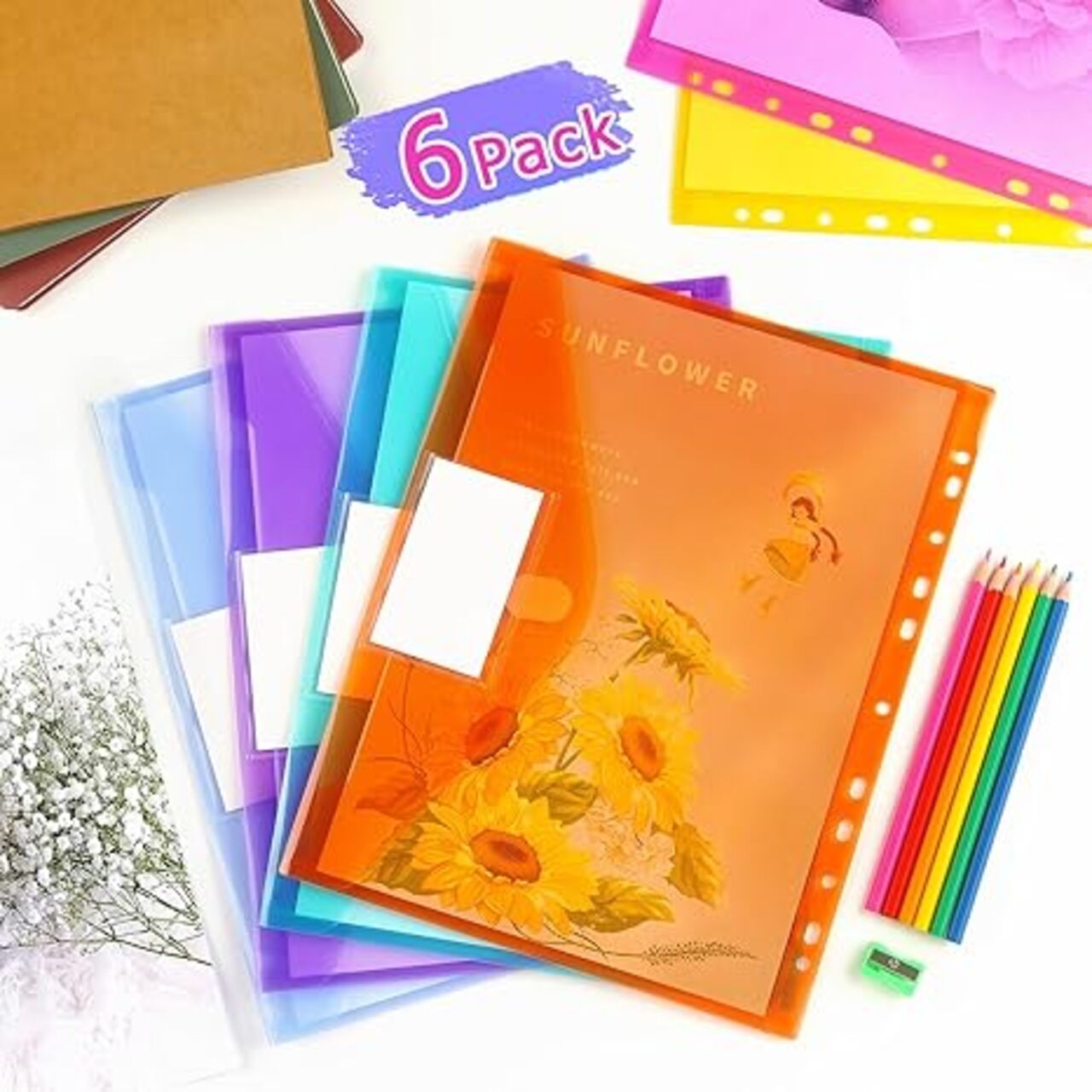
Though functional, these items revealed organization and responsibility levels. You might have color-coded or personalized them, showing pride in your schoolwork. A messy binder could signal a busy or carefree student, while a neat one demonstrated discipline.
Looking back, these folders show how your backpack reflected both personal habits and social perception. Even ordinary items carried emotional weight and influenced how others judged you. They hinted at your daily routines. They showed how you managed pressure. Small choices spoke loudly. You learned accountability early. It shaped your habits.
8. Pogs and Game Cards
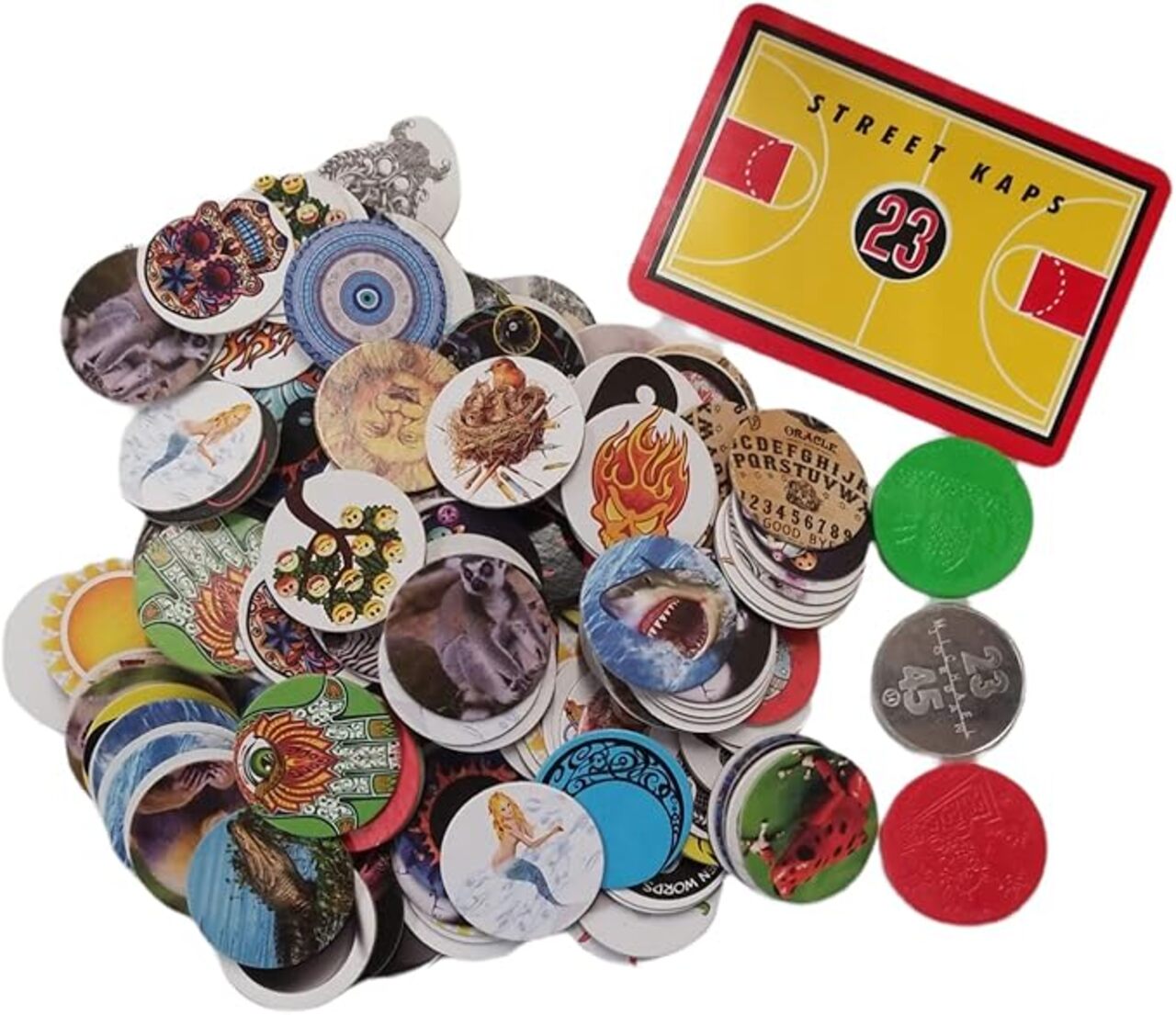
Pogs, trading cards, and similar game collectibles turned backpacks into portable play zones. You could trade, compete, or collect during breaks, making your bag a hub for social interaction. Popular cards were prized, and carrying them required strategy to avoid loss or damage.
These items highlight early lessons in risk, reward, and peer influence. Backpacks carried more than school tools; they held social capital and early gaming culture that shaped daily interactions. You learned to negotiate. Wins felt personal. Losses taught patience. Every trade had meaning. Friendships often formed around them.
9. Sticky Notes and Mini Notepads
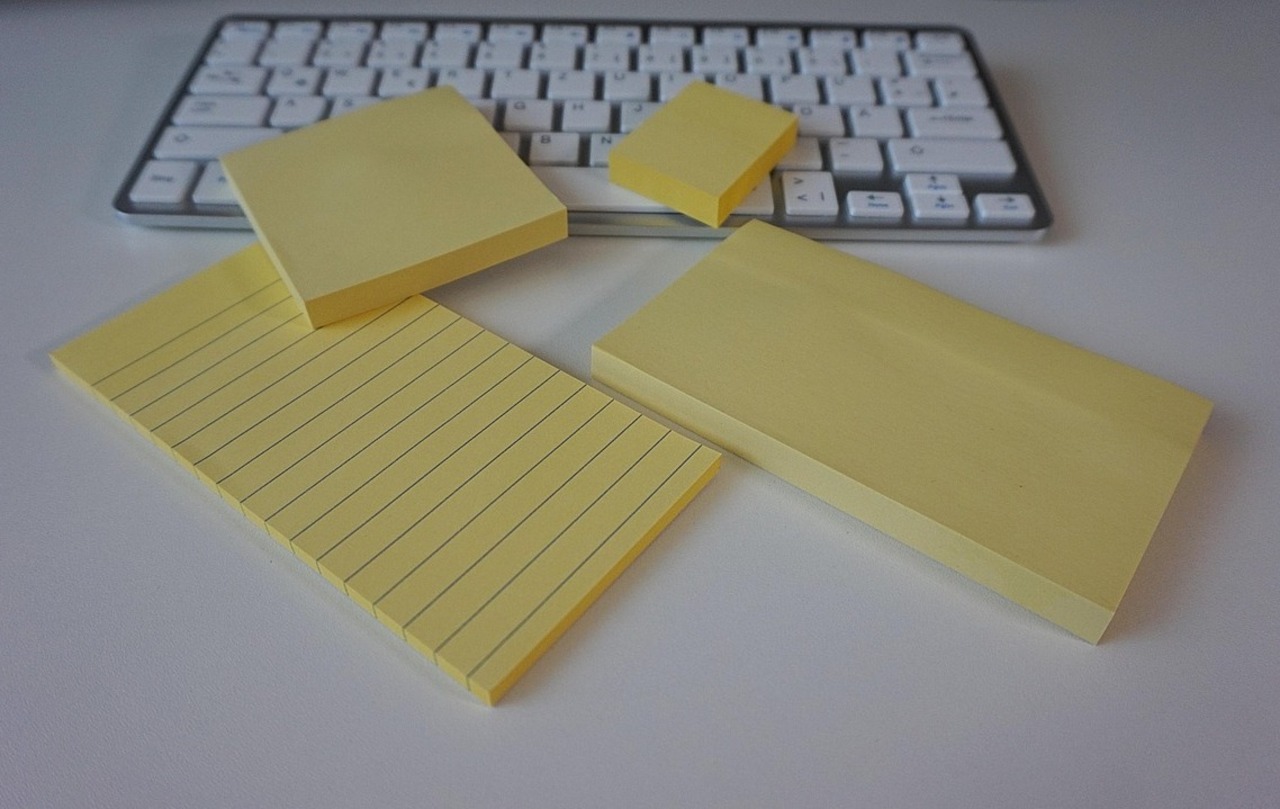
Sticky notes weren’t just for reminders; they were tools for messaging friends, doodling, or secret notes. You might have left them in lockers, passed them in class, or scribbled ideas.
Carrying these items reveals how communication and creativity blended in a pre-smartphone era. Your backpack doubled as a mini-office and secret social network, storing both practical notes and personal expression. Messages felt more personal. Small notes carried big meaning. You shared quiet moments. Creativity showed in simple ways. Connections grew through paper. Little notes felt special. You saved them sometimes.
10. Water Bottles and Snack Packs
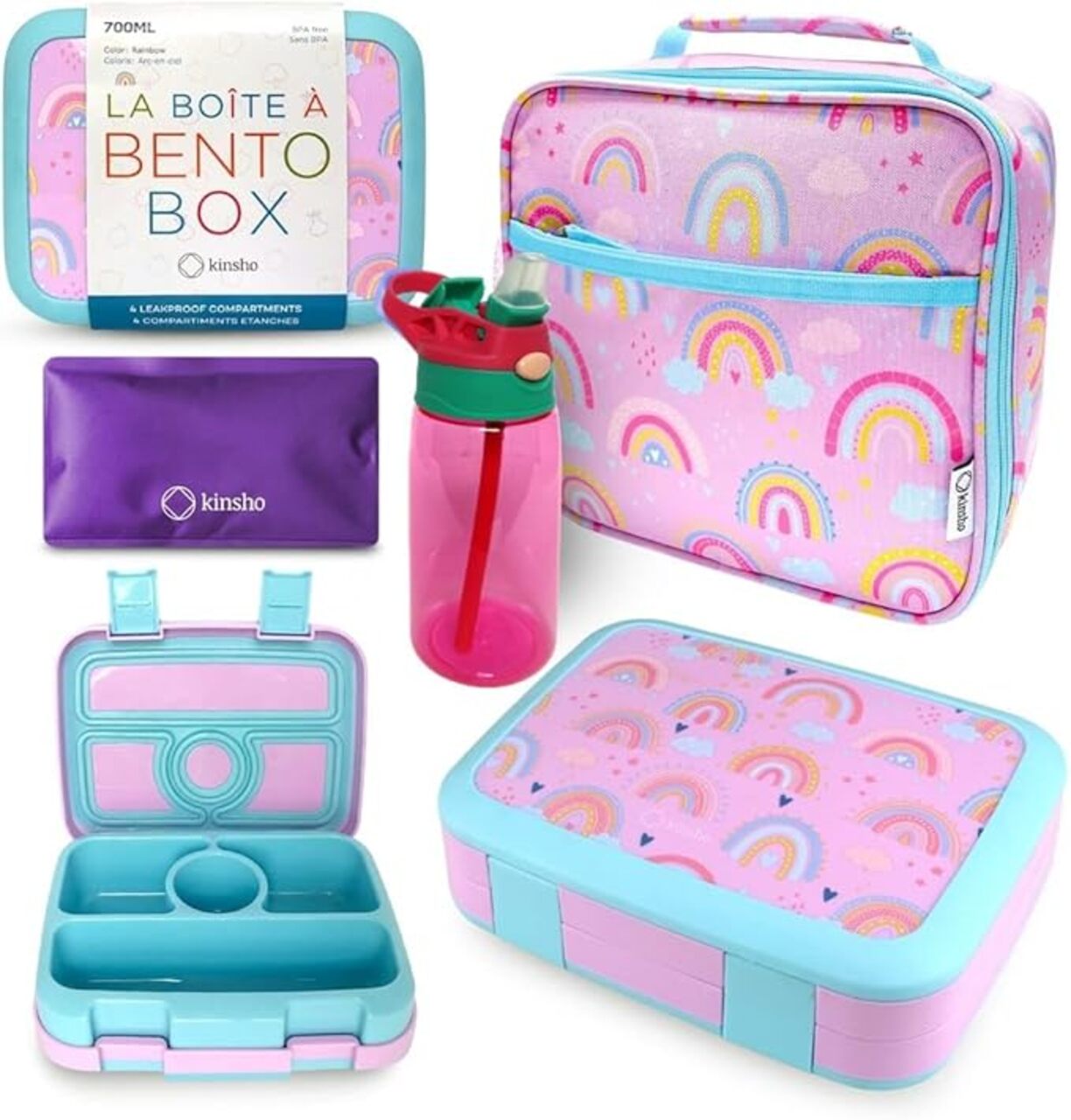
Hydration and snacks were essentials, but your choice said a lot. A branded bottle or unique snack might reflect trends, parental guidance, or personal preference. Kids judged each other subtly based on these choices.
Backpacks held survival items, but also signals of taste and attention to well-being. Even small consumables carried social and practical weight in your daily school life. You learned to share. Lunchtime became social time. Small choices sparked conversations. Preferences revealed habits. Comfort mattered during long days. You noticed what others brought. It shaped small impressions.
11. Calculator or Scientific Tools
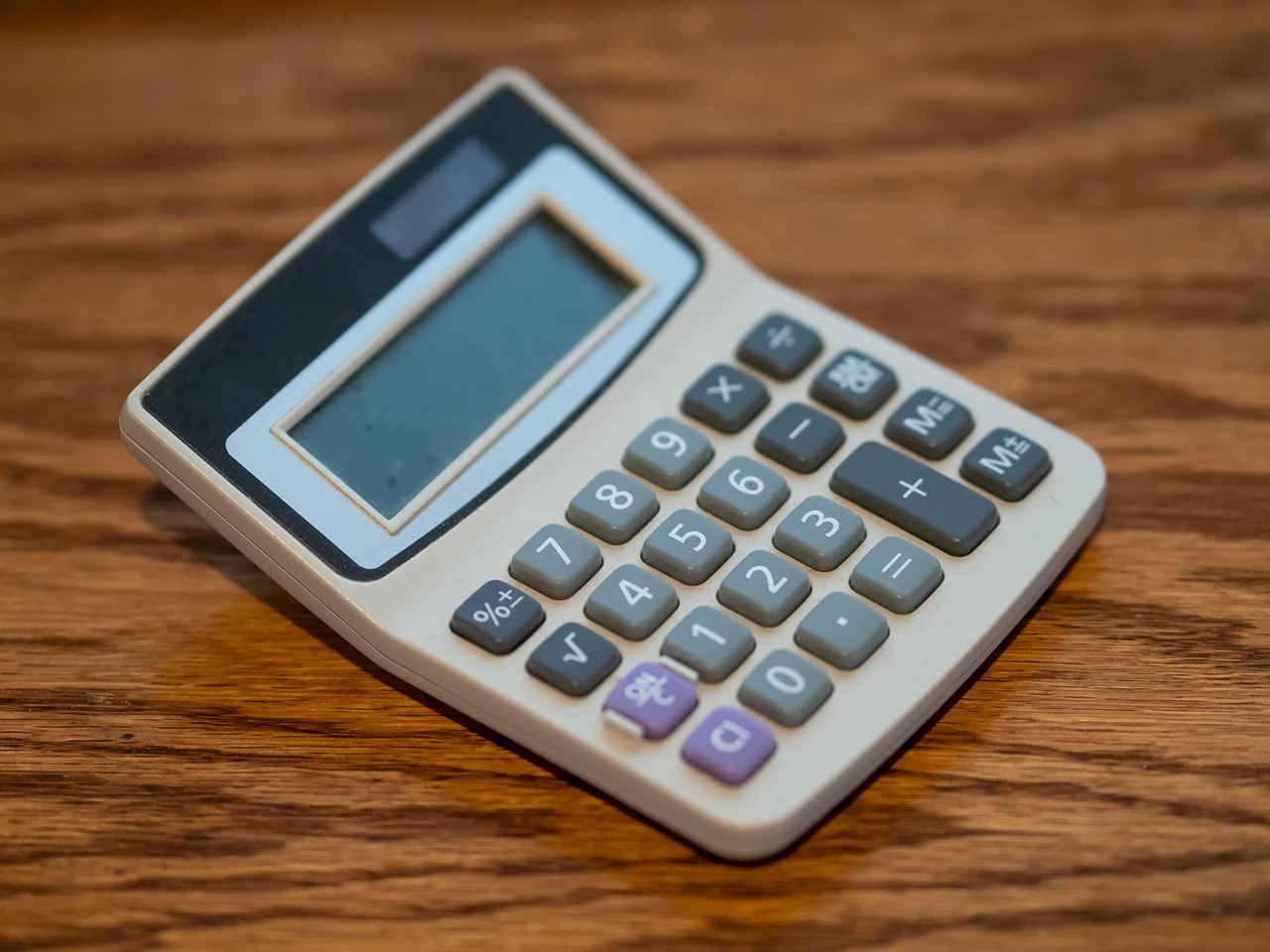
Carrying a calculator, protractor, or ruler showed preparation for classes and tests. These items were functional but also indicated how seriously you approached academics.
Your backpack became a miniature classroom toolkit. The tools reveal a balance between practicality and personal ambition, showing you managed responsibilities early on. You stayed ready for challenges. Small tools built confidence. Preparation reduced stress. You felt more capable each day. Effort showed in quiet ways. Goals felt within reach. You learned to plan ahead. Details mattered more. Confidence grew steadily. You trusted your effort.
12. Comics or Magazines
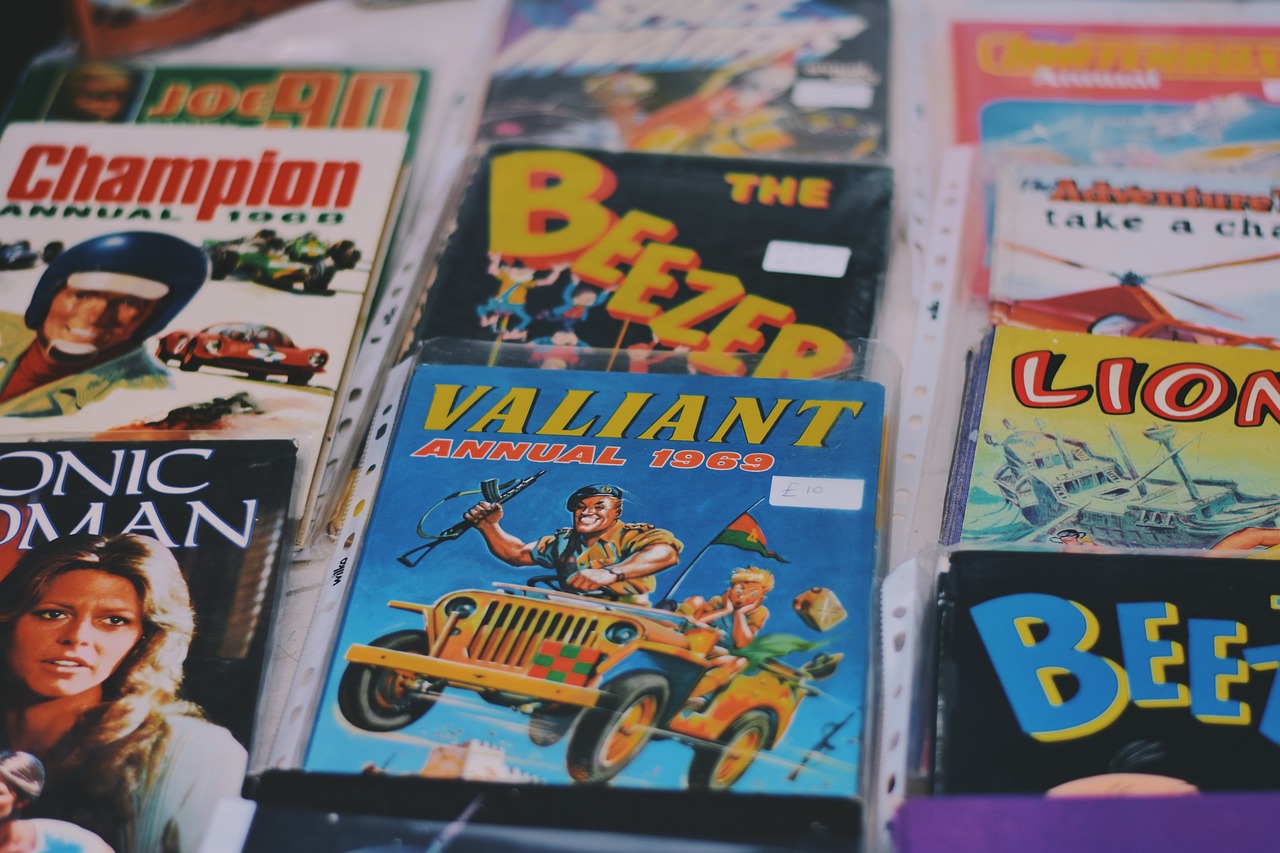
A favorite comic or teen magazine traveled with you for downtime reading. You carried it to share stories, follow trends, or escape the daily grind.
These items reveal how entertainment and identity are intertwined. Backpacks held more than study material; they carried the cultural moments that shaped your imagination and social awareness. Stories sparked conversations. Characters felt relatable. Trends spread quickly. Reading offered a quiet escape. You shared your favorite pages. Interests felt validated. Creativity stayed alive. Curiosity grew with each issue. You looked forward to breaks. It fueled your imagination.
13. Hand Sanitizer and Personal Care Items

Even small hygiene items were common. Carrying sanitizer, lip balm, or tissues showed awareness and responsibility. You learned early that being prepared helped maintain comfort and confidence.
These items also reflect peer influence and societal trends. Backpacks weren’t just functional; they mirrored personal priorities and growing self-awareness, revealing a subtle truth: you were learning to navigate life carefully, one item at a time. Small habits built confidence. You stayed ready for surprises. Comfort shapes your day. Care became routine. You felt more at ease. Small steps built awareness.