


History is full of tales that have been simplified, exaggerated, or misunderstood over time. What we accept as fact often masks a far more complex reality. Myths about battles, leaders, inventions, and societies endure because they are easy to remember, entertaining, or serve cultural narratives. Yet, digging deeper reveals the truth behind these stories, offering a richer, more accurate understanding of the past. Here are 13 widely believed historical myths and the real stories behind them.
1. Vikings Wore Horned Helmets

The image of Vikings charging into battle with horned helmets is largely a product of 19th-century opera and artistic imagination. Archaeological evidence reveals that practical Viking armor consisted of simple iron or leather helmets designed for protection and mobility. Horned or winged headgear may have existed for ceremonial purposes, but they were not used in combat. This myth highlights how cultural depictions can overshadow historical accuracy and shape enduring but misleading images of the past.
2. Columbus Discovered America

Christopher Columbus is often credited with discovering America, yet this narrative ignores the rich civilizations of Indigenous peoples who inhabited the continent for thousands of years. Norse explorers like Leif Erikson reached North America centuries before Columbus. His voyages did, however, connect Europe and the Americas in a lasting way, initiating trade and cultural exchange. Understanding the broader context restores recognition to native societies and provides a more accurate picture of global exploration.
3. Napoleon Was Extremely Short
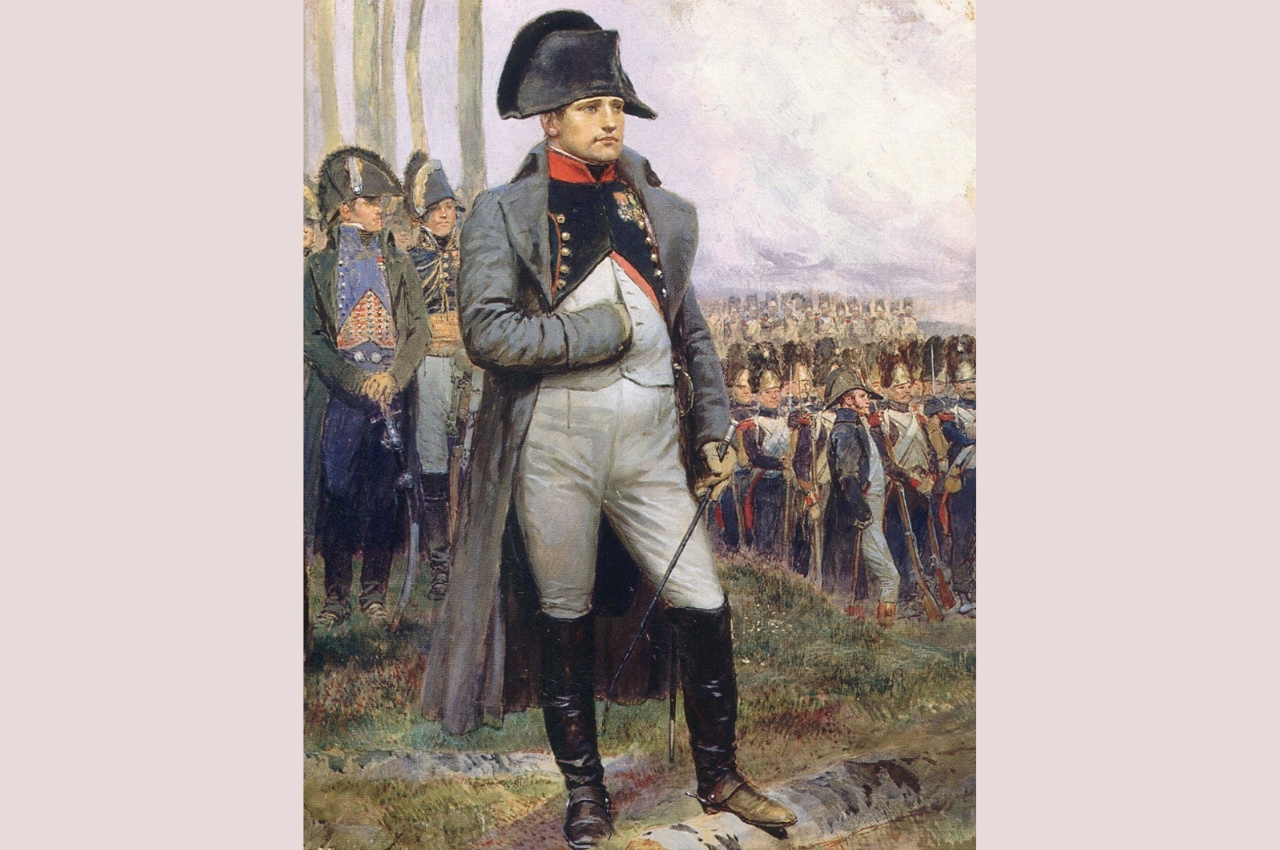
Napoleon Bonaparte is widely thought to have been very short, fueling the term “Napoleon complex,” yet historical records show he stood around 5’6” to 5’7”, typical for men of his time. The myth arose from British propaganda and measurement misunderstandings. Caricatures and political cartoons exaggerated his height to mock his ambition. Correcting this misconception reminds us how propaganda and stereotypes can distort perceptions and how enduring myths can overshadow factual details of historical figures.
4. Marie Antoinette Said, “Let Them Eat Cake”
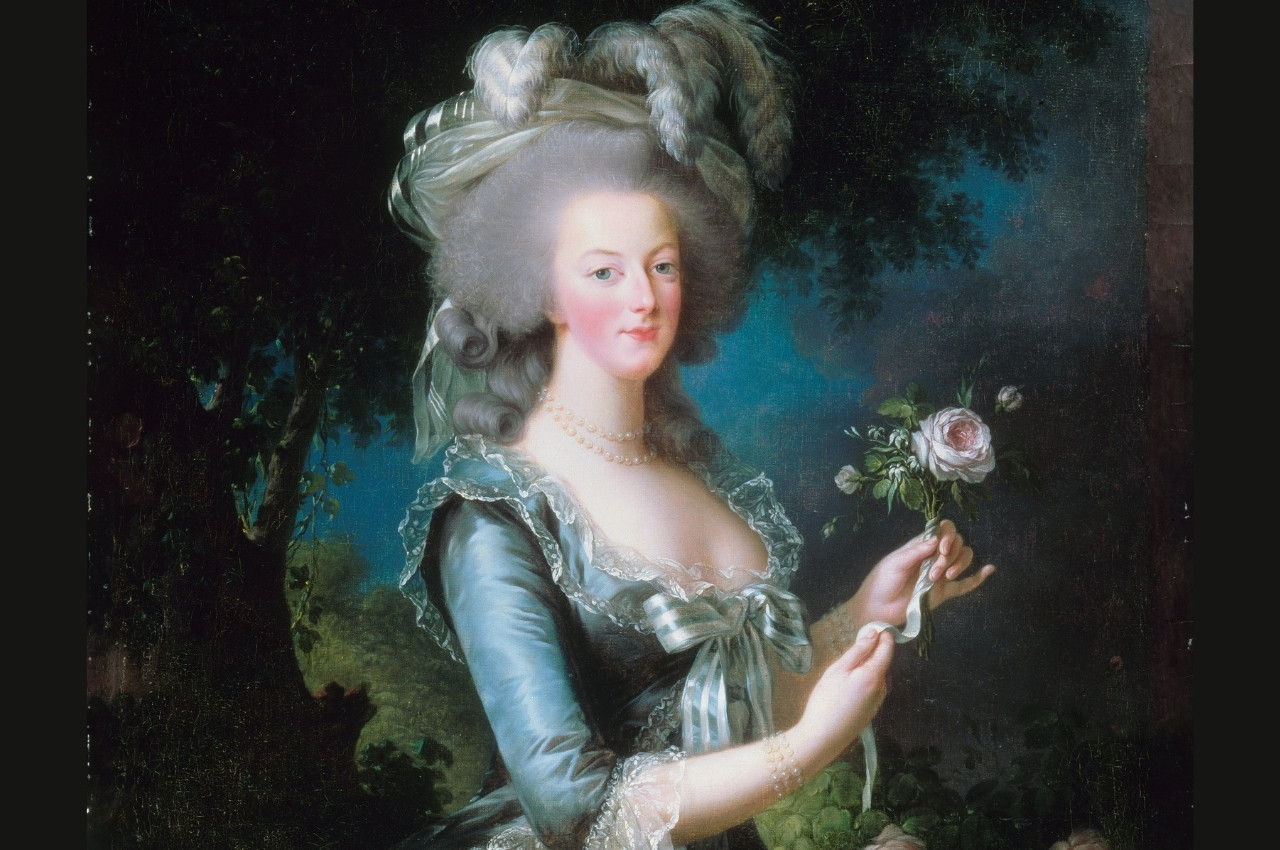
The famous phrase “Let them eat cake,” attributed to Marie Antoinette, has no evidence connecting her to it. The saying predates her life and was used generically to criticize rulers’ indifference to public suffering. Revolutionary propaganda linked the phrase to her to symbolize aristocratic excess and detachment. Recognizing the inaccuracy emphasizes the power of misinformation in shaping public opinion and demonstrates how political narratives often simplify complex social issues to create enduring myths.
5. The Great Wall of China Is Visible from Space

A popular belief claims the Great Wall of China is visible from the moon or outer space with the naked eye. In reality, the Wall is narrow, follows the natural landscape, and blends with its surroundings, making it extremely difficult to see without optical aid. This myth persists because it symbolizes human achievement and cultural pride. Understanding the truth reminds us that many legendary claims about monumental structures are symbolic rather than factual and reflect the human tendency to exaggerate accomplishments.
6. Einstein Failed Math as a Child
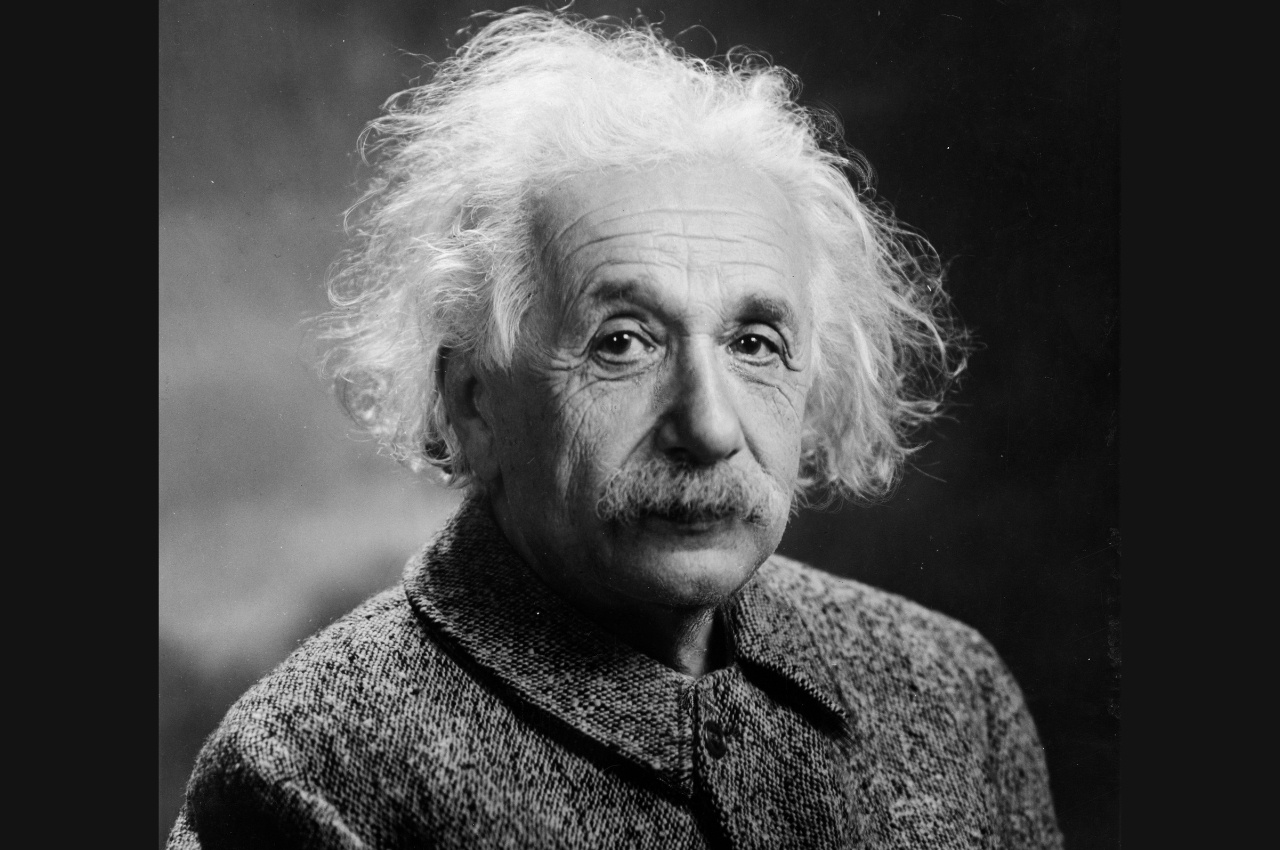
Albert Einstein’s reputation as a genius is often accompanied by the myth that he struggled with math as a child. In truth, he excelled in mathematics and physics from an early age. This myth likely emerged to inspire struggling students by showing that even geniuses face obstacles. Einstein’s success came from rigorous study, curiosity, and perseverance. Correcting this misconception underscores the importance of accurate historical context and reinforces the value of nurturing intellectual growth rather than relying on oversimplified stories.
7. The Salem Witch Trials Burned Victims at the Stake
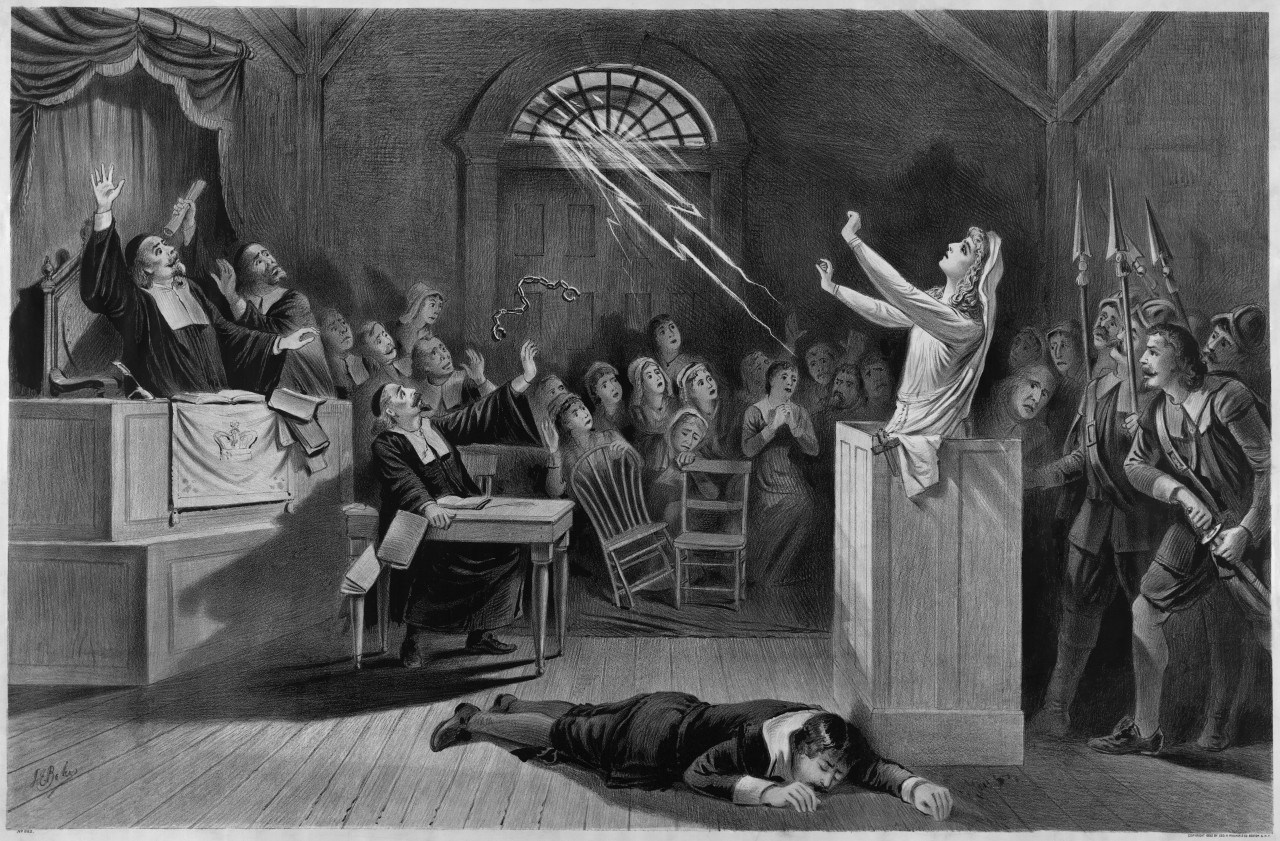
Movies often depict Salem witches being burned, yet all executions in the 1692 trials were by hanging, and one man was pressed to death. Burning was common in European witch trials, which likely influenced fictional portrayals of Salem. Understanding this distinction clarifies American colonial judicial practices and underscores the dangers of conflating separate historical events. Recognizing the reality also emphasizes the seriousness of the trials and the human suffering they caused without relying on dramatized myths.
8. Medieval People Believed the Earth Was Flat

It is commonly believed that medieval Europeans thought the Earth was flat, but educated individuals have known it was spherical since antiquity. Ancient Greek and Roman scholars, along with medieval universities, preserved knowledge of the Earth’s round shape. The myth emerged in the 19th century to depict the Middle Ages as backward and ignorant. Clarifying this misconception shows the continuity of scientific knowledge and reminds us that historical understanding often suffers from oversimplified narratives.
9. The Trojan Horse Was a Historical Fact

The story of the Trojan Horse, immortalized in Homer’s epics, is often treated as historical fact. Archaeological evidence suggests that while the Trojan War may have occurred, the horse likely represents a literary device or symbolic strategy rather than a literal event. The tale endures because it illustrates cunning and strategy, demonstrating human ingenuity in storytelling. Understanding this distinction encourages critical thinking about sources and highlights the ways myth and legend influence perceptions of history.
10. Vikings Were Brutal Savages Only

Vikings are often portrayed solely as raiders and marauders, yet they were also traders, explorers, and settlers who established thriving communities. They created trade networks across Europe and Asia and contributed to cultural exchange. While raiding was part of their activities, it was only one facet of their society. Recognizing the multifaceted nature of Viking life corrects stereotypes and provides a richer understanding of their social structures, innovations, and lasting contributions to world history.
11. The First Thanksgiving Was Peaceful and Friendly

The story of the first Thanksgiving as a peaceful, friendly feast between Pilgrims and Native Americans simplifies a far more complex reality. Early interactions involved strategic alliances, negotiations, and careful survival planning, with both groups navigating uncertainties and potential threats. Conflicts and tensions existed before and after the event, reflecting broader colonial pressures and cultural misunderstandings. Recognizing the nuanced history honors Indigenous experiences and highlights the challenges and compromises inherent in early American colonial life.
12. Witch Burning in Europe Was Uniform
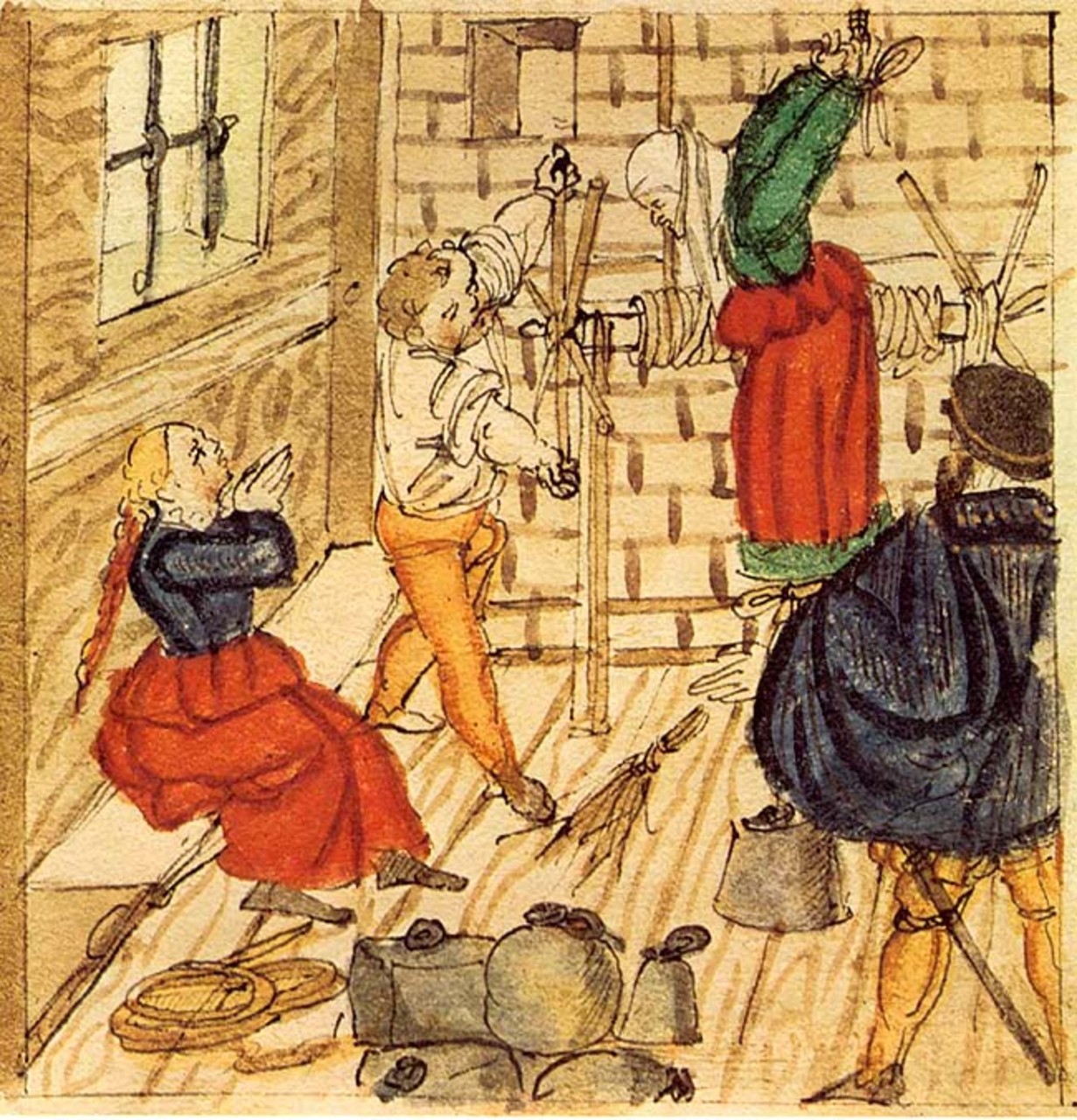
It is often believed that all European witch trials involved burning, but methods varied widely by region. Some used hanging, drowning, or other executions. The myth generalizes diverse legal systems and obscures regional differences in persecution practices. Examining these variations provides a more accurate understanding of European judicial history and the social and political forces that shaped responses to fear and superstition, reminding us that historical events are rarely monolithic.
13. The American Revolution Was Unanimously Popular

The notion that all colonists supported the American Revolution is a myth. Many remained loyal to Britain or were indifferent, and loyalists faced harassment and persecution. Debates over taxation, governance, and allegiance were complex and contested. Recognizing this divided sentiment highlights the multifaceted nature of revolutionary movements and challenges the oversimplified patriotic narrative, providing a more accurate and humanized understanding of early American society and the difficult choices people faced.


