You might not realize it, but a lot of the items you grew up with in the 1990s are still around today, quietly showing their age. From gadgets to household essentials, these designs were once cutting-edge, but they now carry hidden problems that affect your daily life in surprising ways.
Signal issues, uneven performance, outdated ergonomics, and even safety concerns are just a few of the challenges you might face without noticing. Exploring these objects reveals not just nostalgia but practical frustrations that you can experience in your home today, often in ways you never expected, making you rethink some of your favorite classics.
1. Classic Cordless Phones That Struggle With Modern Signals
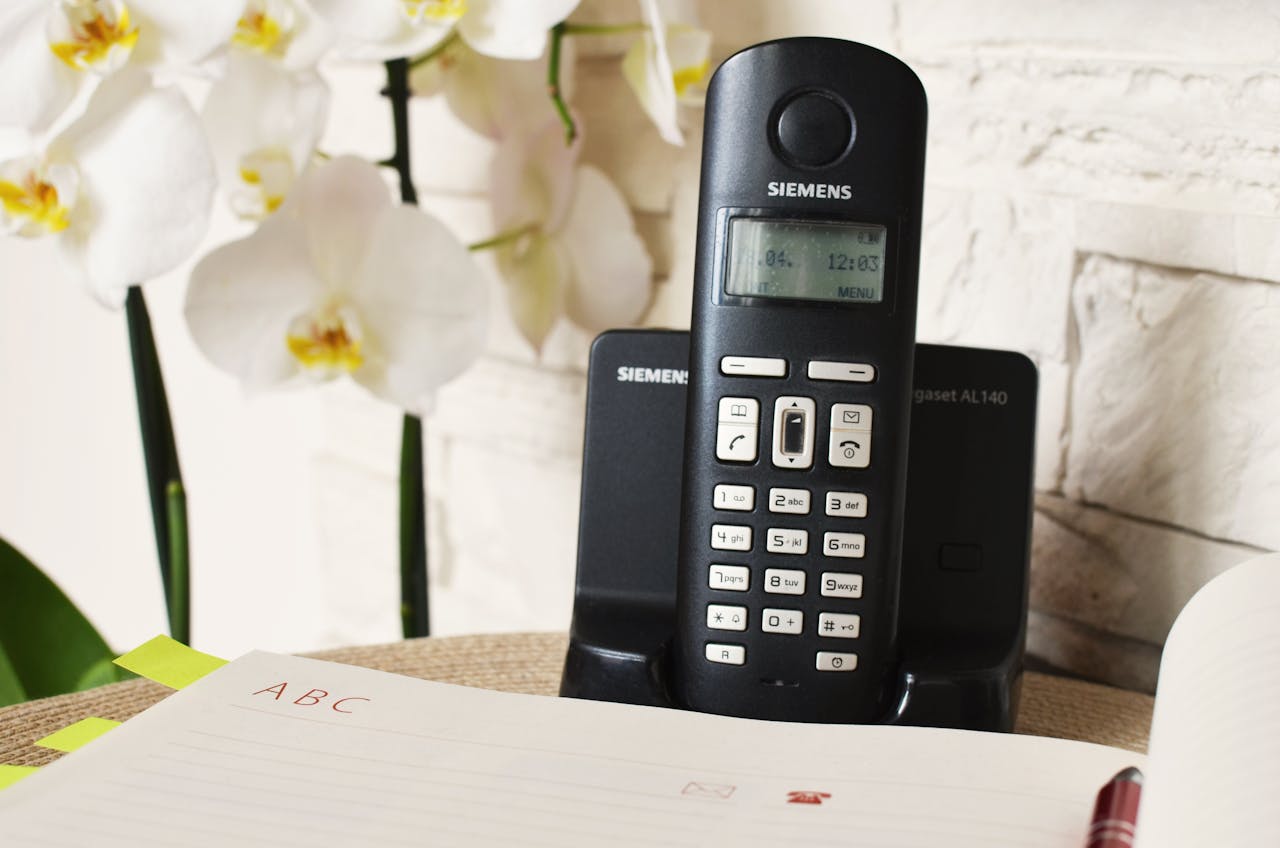
If you still have a 1990s cordless phone, you might notice dropped calls or weak connections. These devices were designed for analog lines, and many struggle with modern digital signals. You might find that walls, interference, and even other electronics affect reception more than you remember.
Batteries often wear out, forcing you to replace them more frequently than newer models. While the nostalgia of holding a familiar handset is strong, relying on one of these phones for daily calls can leave you frustrated, especially when you truly need a reliable connection for work, family, or emergencies.
2. Early Flat-Screen TVs With Limited Connectivity
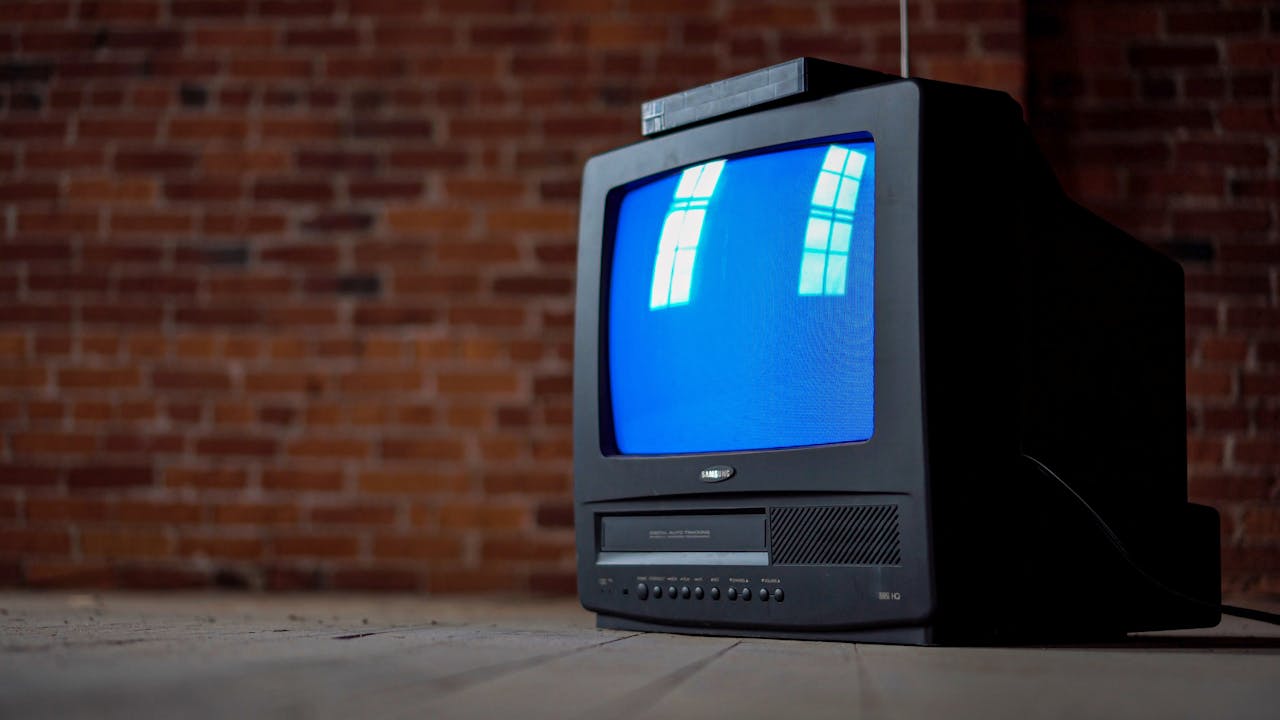
Flat-screen TVs from the 1990s were revolutionary, but you may find connecting them to modern devices difficult. HDMI didn’t exist, and component cables might be your only option. Streaming devices and game consoles often need adapters, making setup cumbersome and sometimes confusing.
Picture quality is often lower than expected, with muted colors and slower refresh rates that show blur in fast-moving scenes. You might love the retro look, but these TVs were not built for today’s streaming-heavy lifestyles. Using them can feel charming, yet inconvenient, especially if you rely on multiple devices at once.
3. Vintage Keyboards That Lack Ergonomic Support
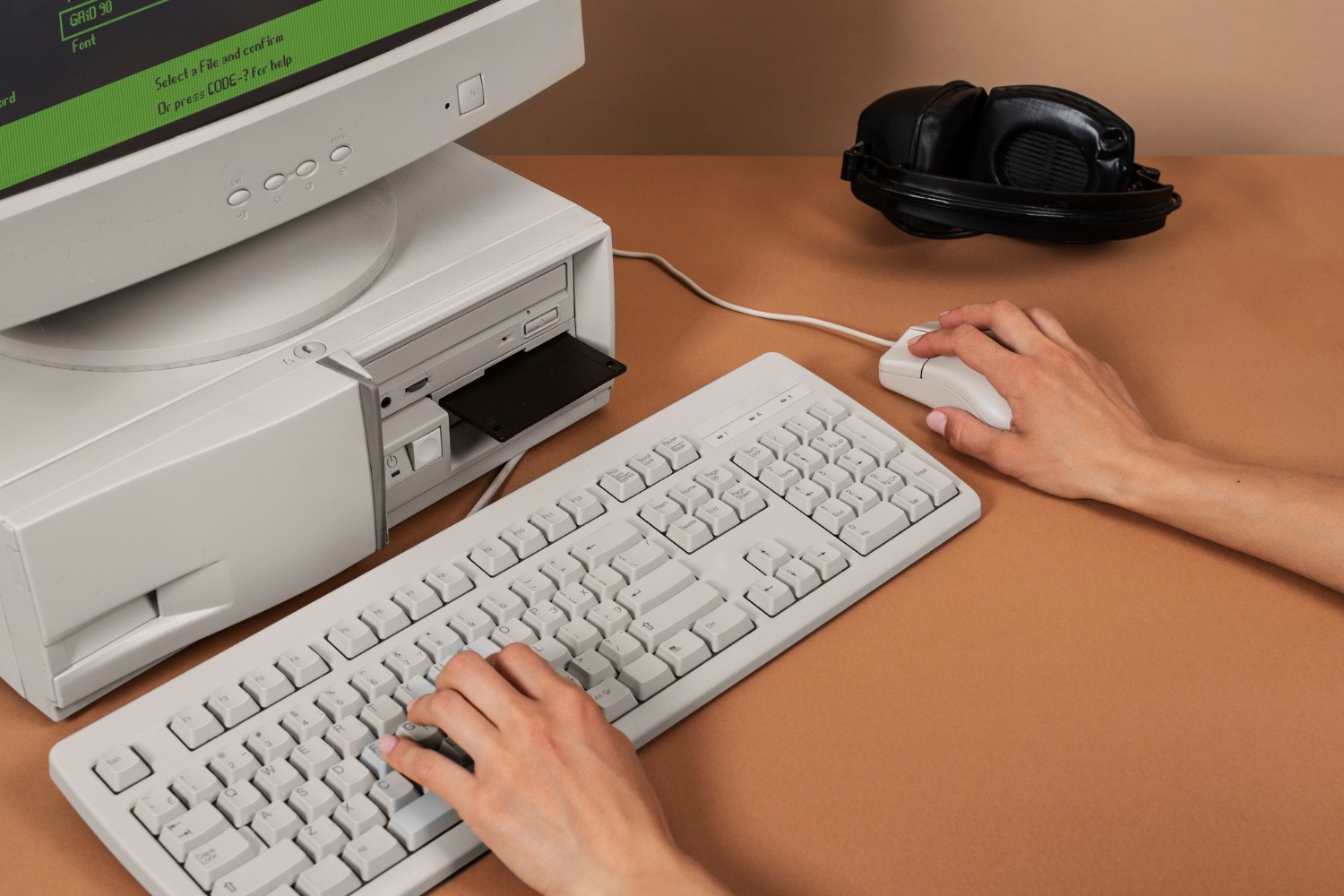
Old computer keyboards from the 1990s often have stiff keys and flat profiles. If you spend hours typing, you might notice wrist strain, discomfort, or even soreness that lasts after long sessions. They were not designed with ergonomics in mind, and extended use can lead to fatigue and tension in your hands and arms.
While the clicky keys bring nostalgia, they can slow you down compared to modern mechanical or ergonomic designs. Cleaning is also tricky, as dust and crumbs accumulate between tight key spaces over time. You can still enjoy the retro typing feel, but your hands might pay the price during long sessions.
4. Original Tamagotchi Devices That Are Hard to Replace
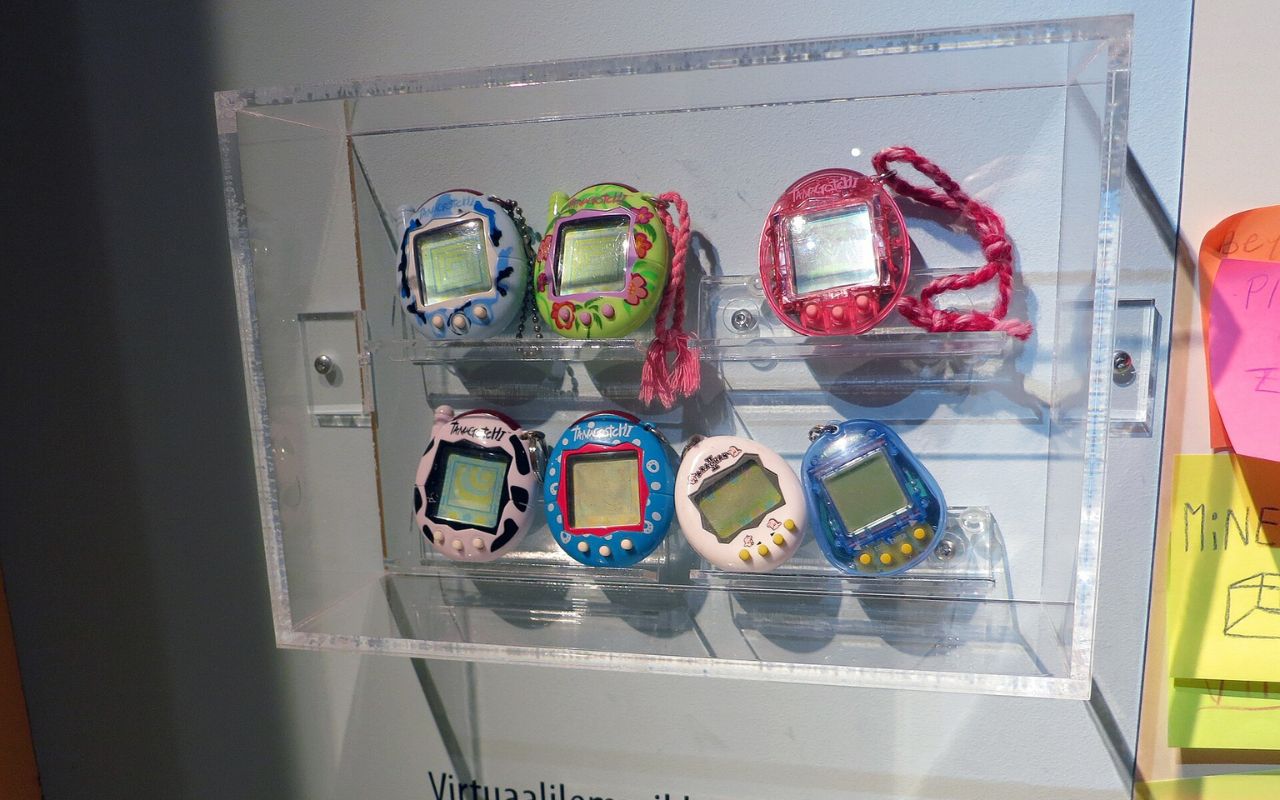
The pocket-sized digital pets that defined the 1990s can still be fun to revive, but you might struggle to find replacement batteries, parts, or even tiny accessories. These devices require careful attention, and the older your Tamagotchi is, the more likely it is to malfunction or freeze unexpectedly.
Screen visibility can fade, and some features stop working entirely over time. While it’s tempting to revisit the excitement of feeding and playing with a virtual pet, you may quickly realize that the maintenance, fragility, and constant attention make it far more of a challenge than a simple pastime.
5. Old Game Consoles With Overheating Issues
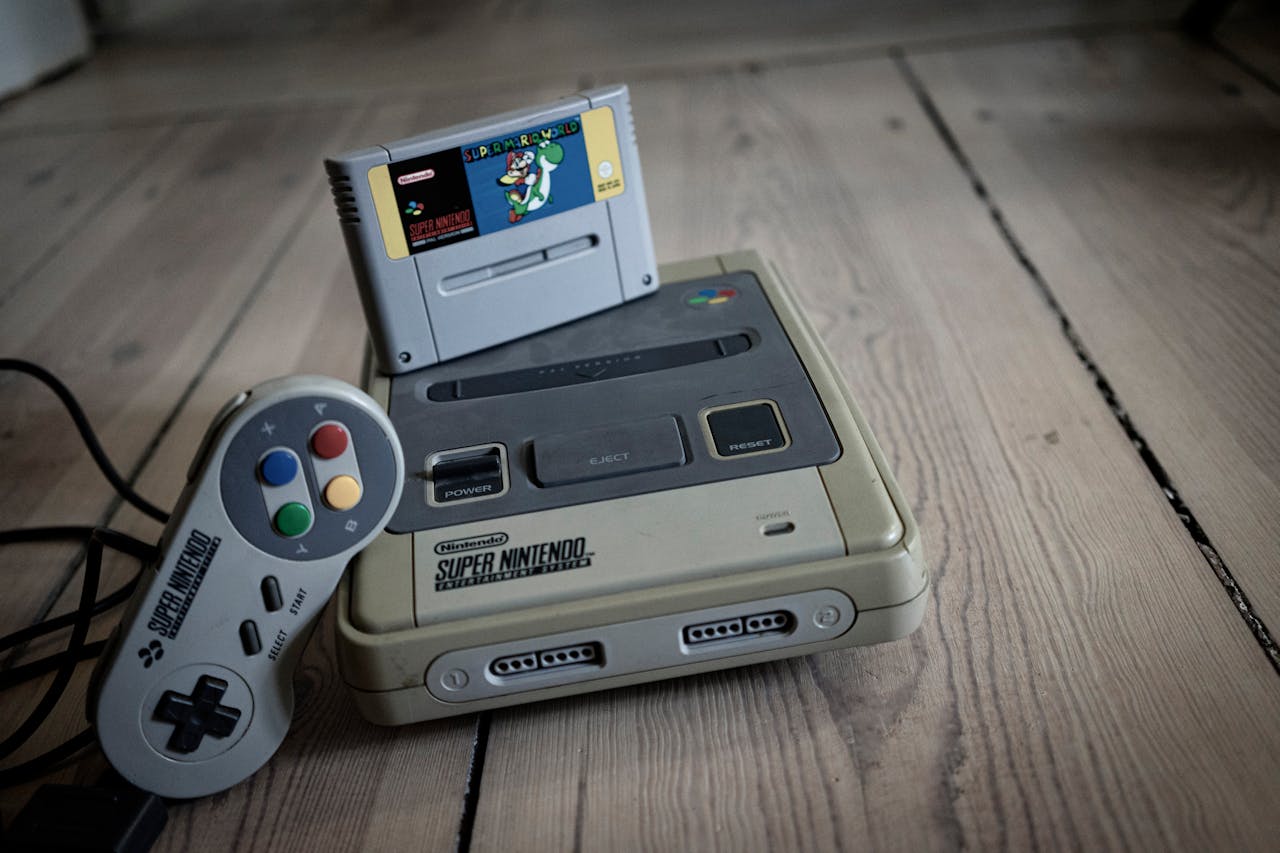
Classic gaming systems from the 1990s still deliver fun experiences, but overheating can become a major problem over time. Dust, worn internal fans, and blocked vents reduce airflow, which can damage cartridges, internal components, or even the motherboard.
You might notice the console shutting off unexpectedly, producing unusual noises, or struggling to read discs or cartridges properly. Controllers may also wear down, with sticky buttons, loose connections, or broken joysticks. Playing retro games is rewarding and nostalgic, yet these systems demand careful handling, and maintenance to avoid frustrating interruptions and lost progress.
6. Tube-Style Boom Boxes That Drain Batteries Fast
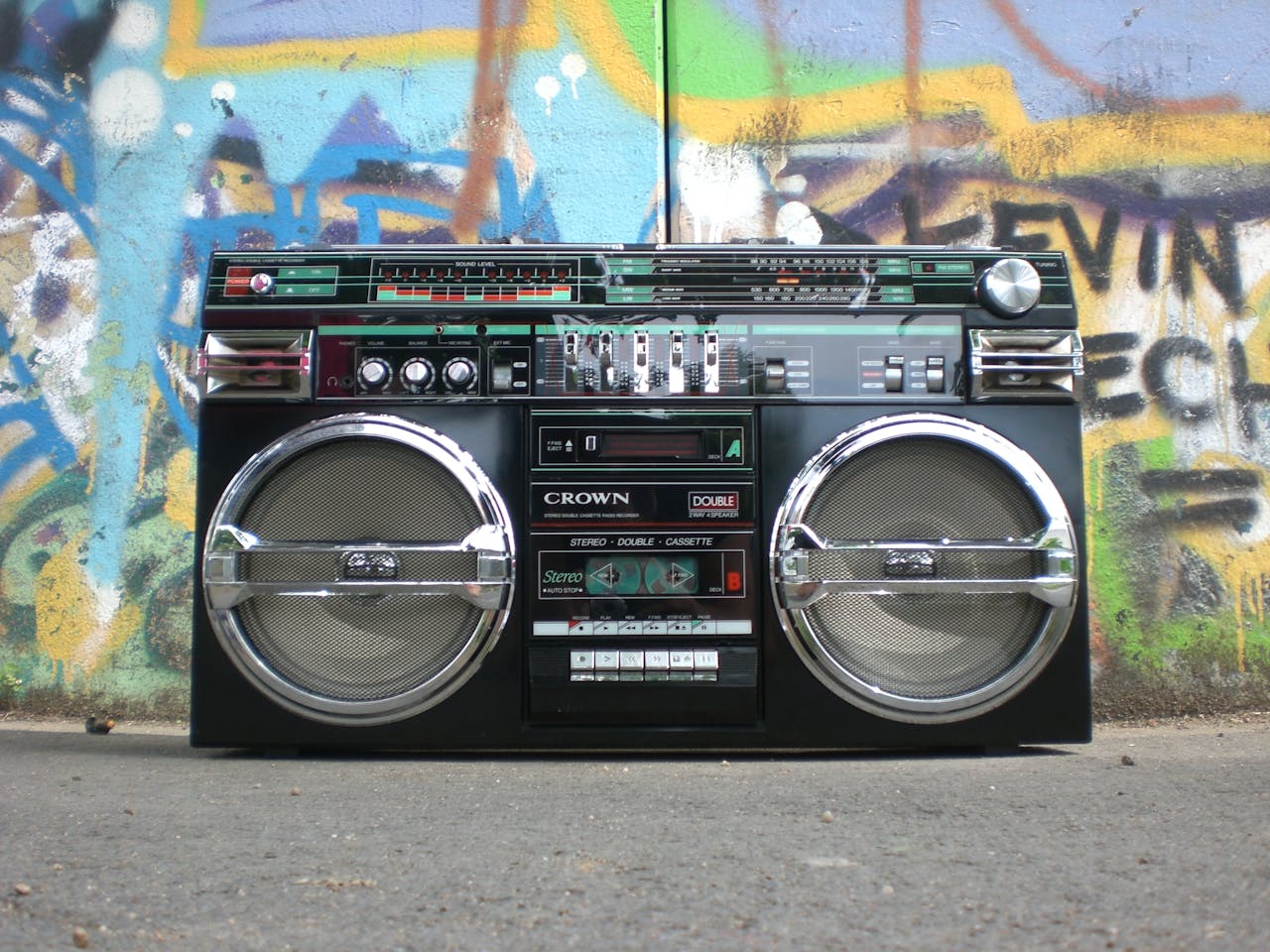
The bulky boom boxes that once defined portable music require constant battery replacement today. You might plan to play music outdoors only to discover the device barely lasts an hour on standard batteries, forcing you to carry dozens of spares for extended listening.
The sound quality can be uneven, with weak bass, distorted highs, and minimal volume compared to modern Bluetooth speakers or home systems. While you can enjoy the nostalgic look and feel of flipping cassettes, tuning AM/FM, or sharing music with friends, relying on these devices for consistent everyday listening is largely impractical and occasionally frustrating.
7. 1990s Microwaves With Uneven Heating Patterns
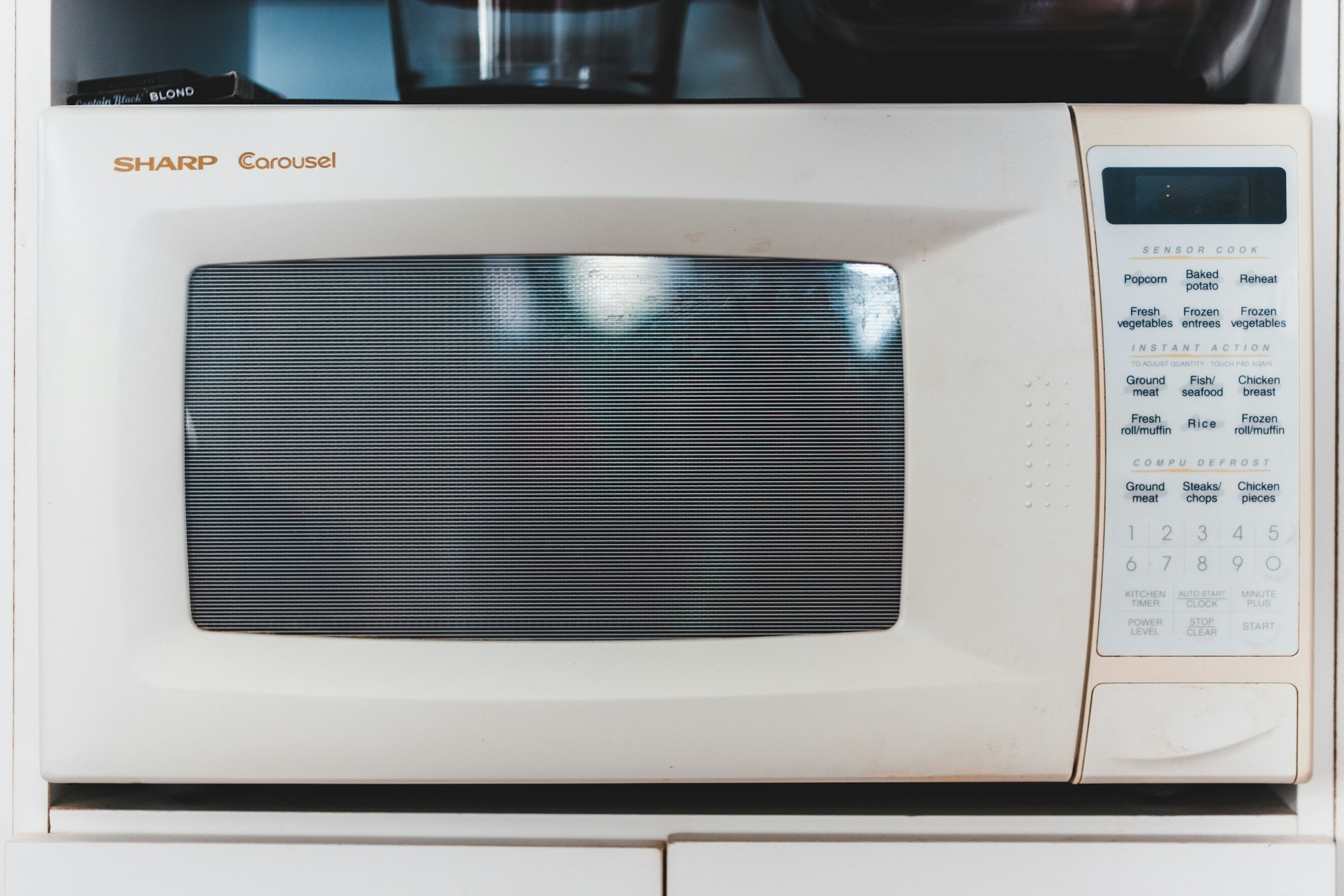
Microwaves from the 1990s often struggle with consistent heating and can leave you frustrated when your food does not cook evenly. You might put leftovers inside and find cold spots while other areas overcook, especially in large dishes or dense meals.
Turntables may wobble, stop spinning, or make loud grinding noises, reducing efficiency and making reheating slower than expected. Buttons can become sticky from repeated use, and replacement parts are scarce or expensive. You can still pop popcorn, reheat meals, or defrost ingredients, but these older models demand constant attention, undercooked food, or burnt edges.
8. First-Generation Digital Cameras With Short Battery Life

Digital cameras introduced in the 1990s changed how you captured memories, but they often disappoint today with modern expectations. Batteries drain quickly, and storage options are limited to small memory cards or tiny internal memory, forcing you to constantly swap or delete photos.
You might love snapping photos, but you will spend more time charging, adjusting settings, or troubleshooting than actually shooting. Image quality also lags behind modern devices, producing grainy, low-resolution, or poorly lit pictures. While they carry the charm and nostalgia of early digital photography, especially if you want reliable, high-quality results.
9. Outdated Desktop Monitors Causing Eye Strain
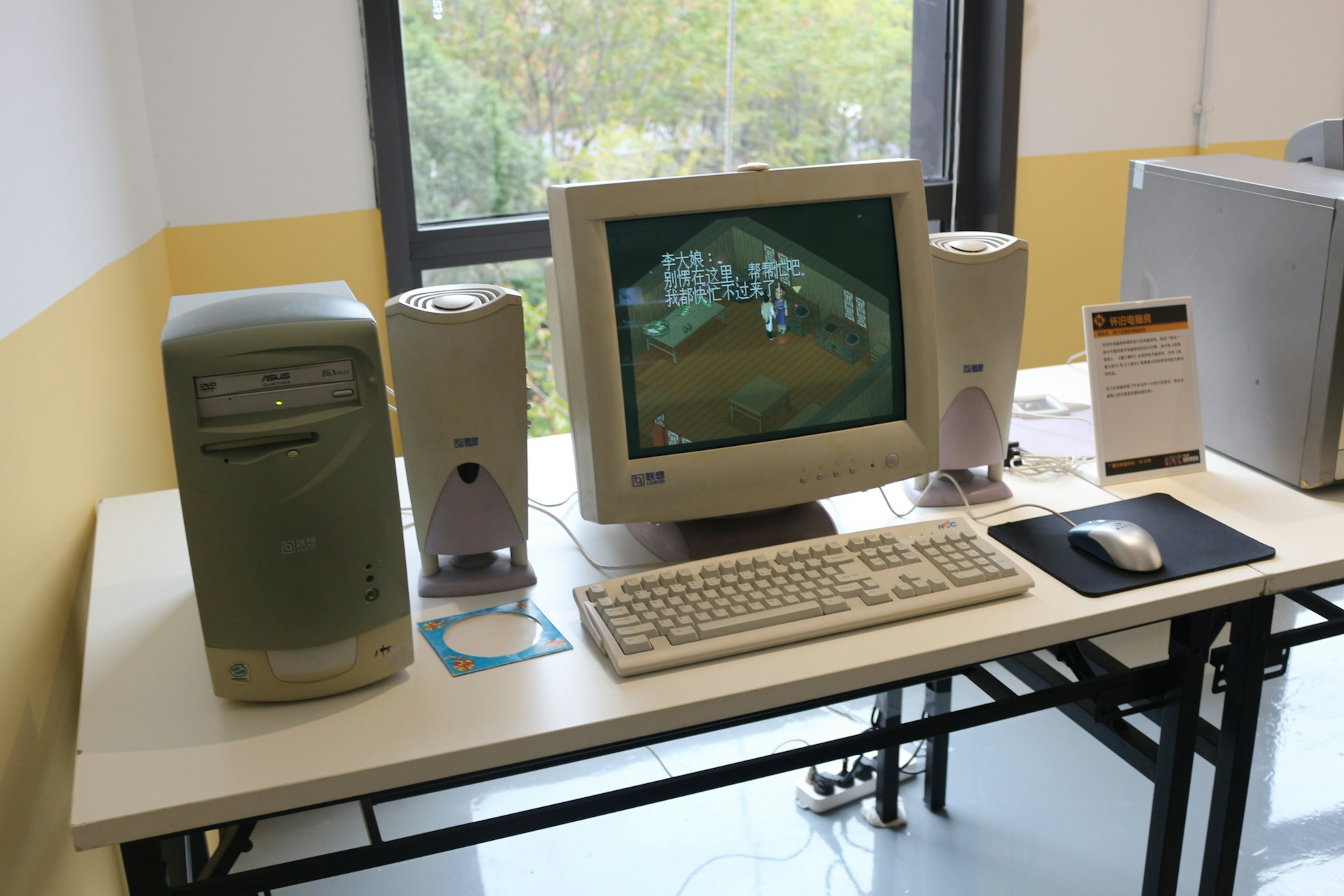
CRT monitors and early flat panels are visually heavy and can contribute to significant eye strain or fatigue after prolonged use. The screens may flicker, and brightness control is limited or inconsistent, which can make reading text, editing documents, or working on detailed projects more difficult than you remember. Colors can appear muted, making graphic work or watching videos less enjoyable.
You may enjoy the bulky nostalgia, but using these monitors for hours can leave you with headaches, tired eyes, and frustration. Investing in modern screens improves comfort, and efficiency without losing your appreciation for retro aesthetics.
10. Retro Alarm Clocks With Loud, Jarring Buzzers
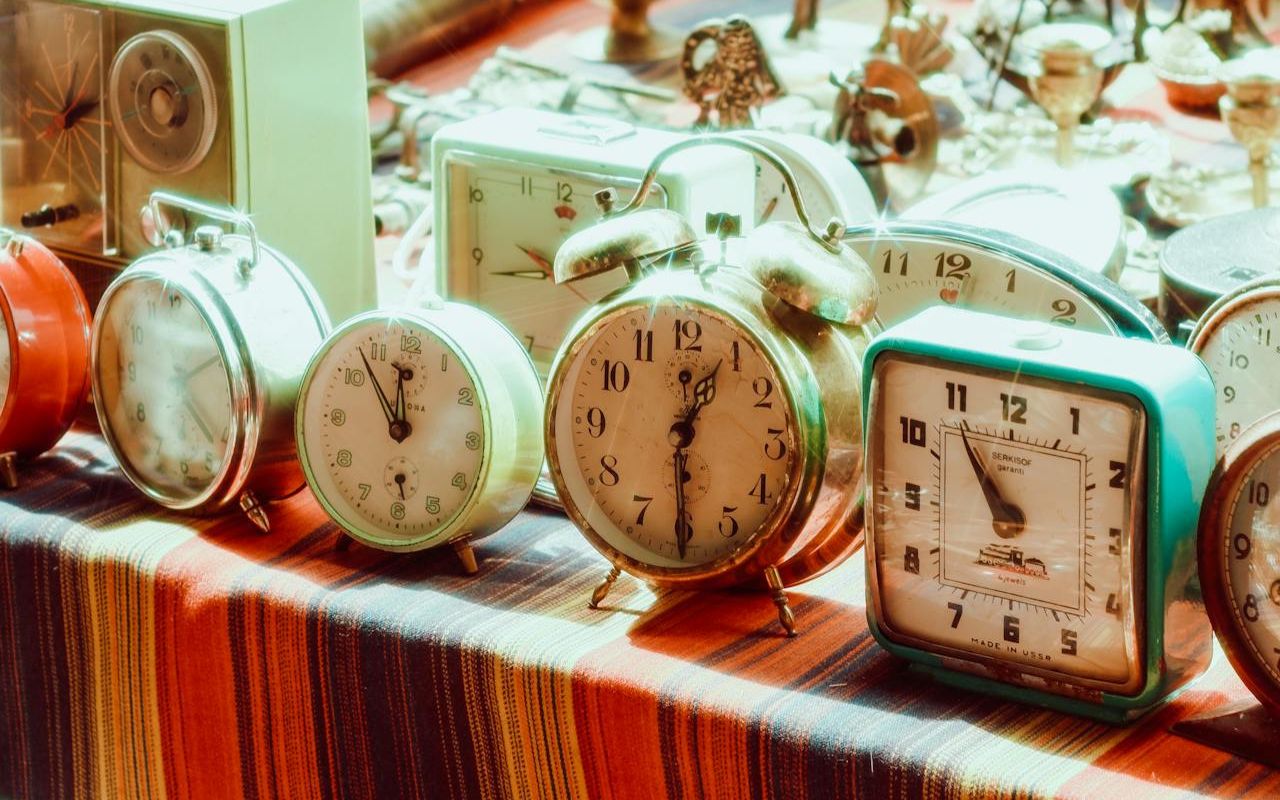
Classic 1990s alarm clocks can wake you up, but often in an unpleasant and jarring way. Buzzers are piercing, extremely loud, and offer no gradual wake-up feature to help you start your day gently. Buttons may stick or become unresponsive, making setting alarms frustrating and time-consuming.
Batteries, old wiring, or mechanical parts can fail without warning, leaving you at risk of oversleeping or missing important appointments. While these clocks are visually charming, straightforward, and nostalgic, relying on them today can make mornings unnecessarily stressful, consistent wake-up routine to start your day on time.
11. Early Rollerblades With Minimal Safety Features

Inline skates from the 1990s sparked outdoor activity, but safety standards were lower than today, and design flaws can make them risky. You might notice hard plastic boots with minimal ankle support, making falls or twists more likely.
Brake systems can wear down quickly, and padding is often insufficient or uncomfortable, reducing protection during longer rides. While rollerblading is fun and nostalgic, these older models demand extra caution, reliable protective gear, and skill to prevent injuries compared to modern skates designed with advanced ergonomics, stability, and durability in mind.
12. Classic Walkman Players That Skip Easily
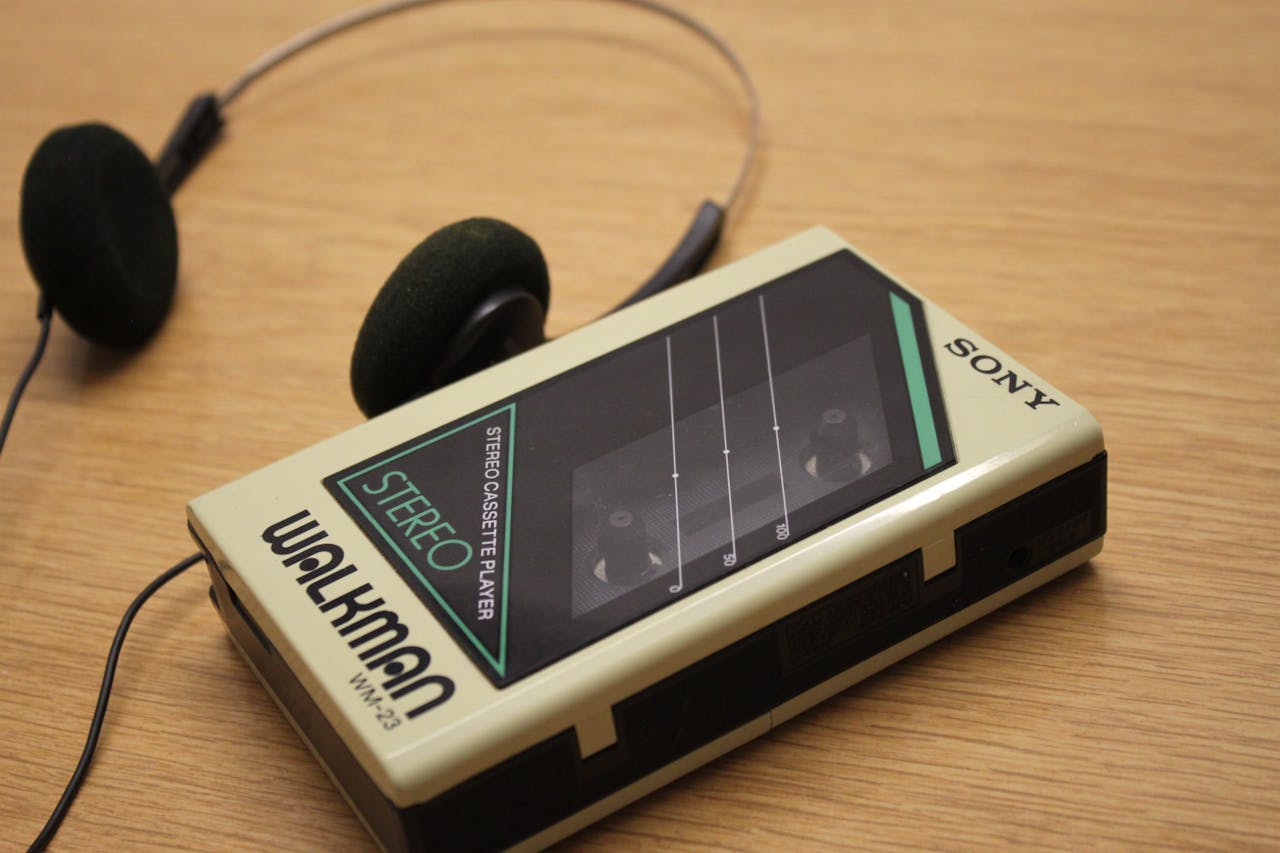
Portable cassette players remain nostalgic, but tape-based Walkmans have a major flaw: skipping and inconsistent playback. You might press play only to hear songs jump, repeat, or even stop unexpectedly. Headphone jacks may be loose, and belts inside the device wear out, making it hard to enjoy uninterrupted music.
While you can still enjoy cassettes and the tactile thrill of flipping tapes, these players are finicky, delicate, and require constant maintenance, careful handling, and occasional repairs. Listening to music on them today is more of a hobby, a fun trip down memory lane, than a practical daily option for consistent enjoyment.
13. Plastic Office Chairs That Break Under Pressure

Office chairs from the 1990s were often lightweight plastic and not designed for long-term durability or frequent daily use. You might notice cracks forming, joints loosening, or wheels becoming wobbly under regular use.
Adjustability is limited, cushioning may have compressed over decades, and the lack of lumbar support can strain your back during extended sitting sessions. While these chairs are nostalgic and visually charming, sitting for hours can become uncomfortable, unsafe, or even painful, prompting you to seriously consider modern replacements that offer proper ergonomic support, stability, and long-term comfort.
14. Original Coffee Makers With Hard-to-Clean Designs

Coffee makers from the 1990s often have narrow water reservoirs, fixed carafes, and intricate filter compartments that make cleaning time-consuming. You might find the process tedious, leading to mineral or coffee build-up that affects taste, performance, and even longevity. Plastic parts can stain or crack, and heating elements may become unreliable or inconsistent over time.
Brewing your morning coffee remains possible, but maintaining these machines requires effort, patience, and careful attention, making them far less practical than modern drip or single-serve systems designed for convenience, speed, and hygiene.