


The thing about trends is that they always circle back, and you see that clearly when you look at the 1980s. If you grew up around mirrored walls, pastel bathrooms, or oversized sofas, you might remember thinking you’d never see them again. Yet here they are, returning with a quieter and more thoughtful approach. You now get the same bold attitude without the clutter that defined the decade. Designers credit this revival to a mix of nostalgia and the need for interiors that feel expressive rather than plain. When you blend these ideas with your own style, the look feels fresh instead of dated.
1. Sculptural Furniture
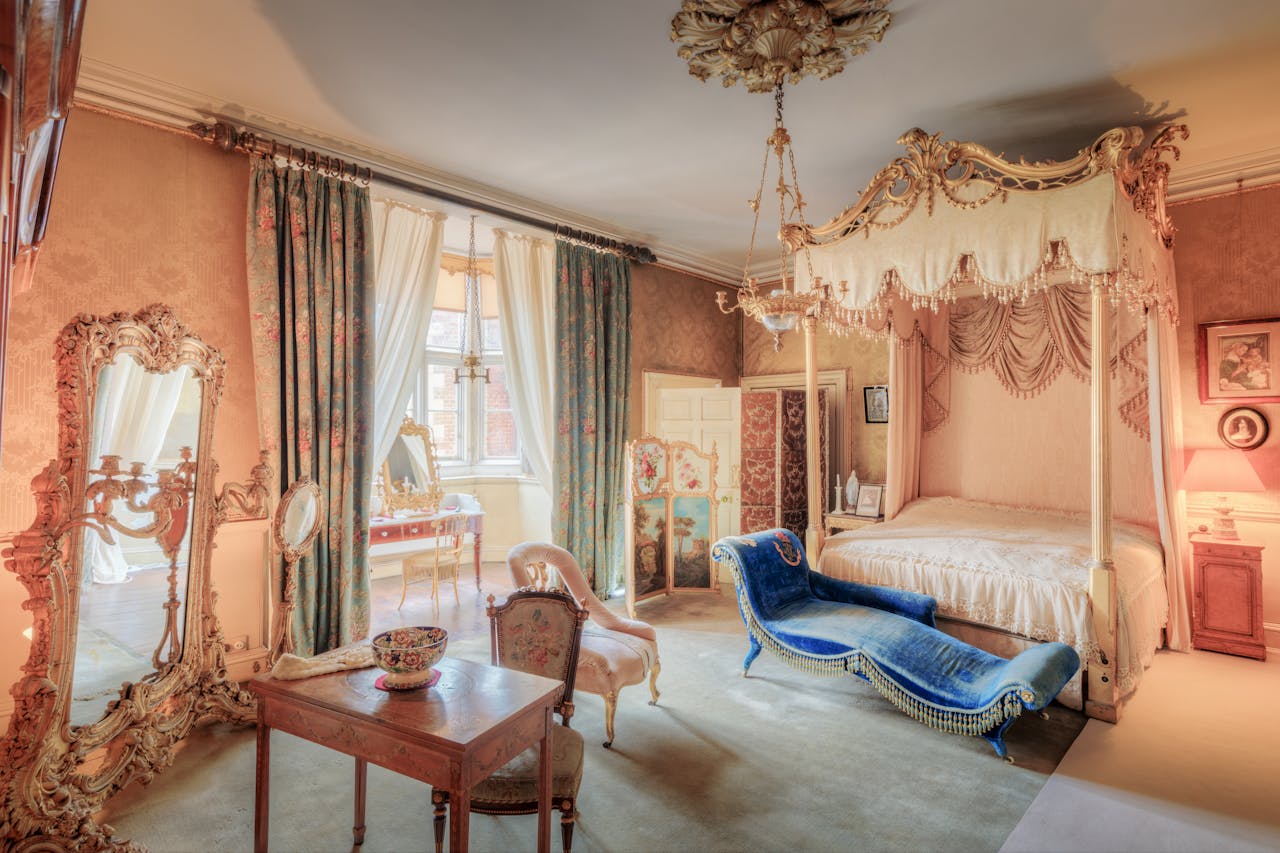
You’ve probably noticed furniture stores leaning back into curvy silhouettes, rounded edges, and chunky proportions. The 80s favored pieces that felt like art, and the same idea drives this comeback. You see designers using boucle, molded foam, and asymmetrical seating to break up stiff lines in a room. Research from the Cooper Hewitt museum shows that the decade pushed experimental forms into everyday homes, which explains why the shapes feel familiar. When you add just one sculptural piece to your living room, you create a focal point without overwhelming your layout. The key is choosing something that changes how the space feels, not something you add as decoration.
2. Memphis-Inspired Color Blocking
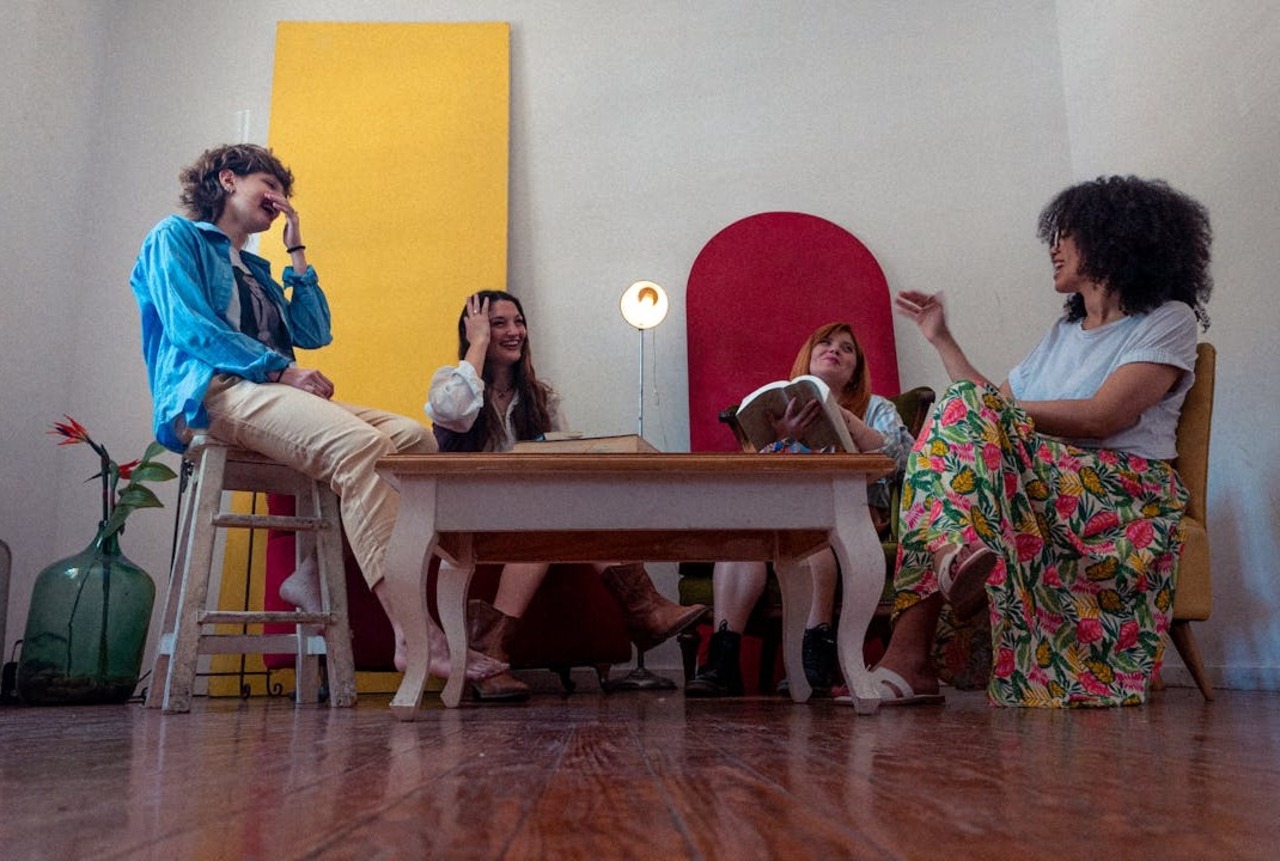
You might remember the Memphis design movement for its loud patterns and offbeat color pairings. While the original look was chaotic, the modern version tones things down. You still see geometric shapes and strong contrast, but the palette shifts toward soft blues, greens, and warm neutrals. The Design Museum in London notes that Memphis was always about playful rebellion, and that attitude still appeals to people who want a room that feels lively. You don’t need to cover a wall in stripes to embrace this style. A rug, lamp, or side table with simple blocks of color will give your space personality without pushing it too far.
3. Mirrored Accents
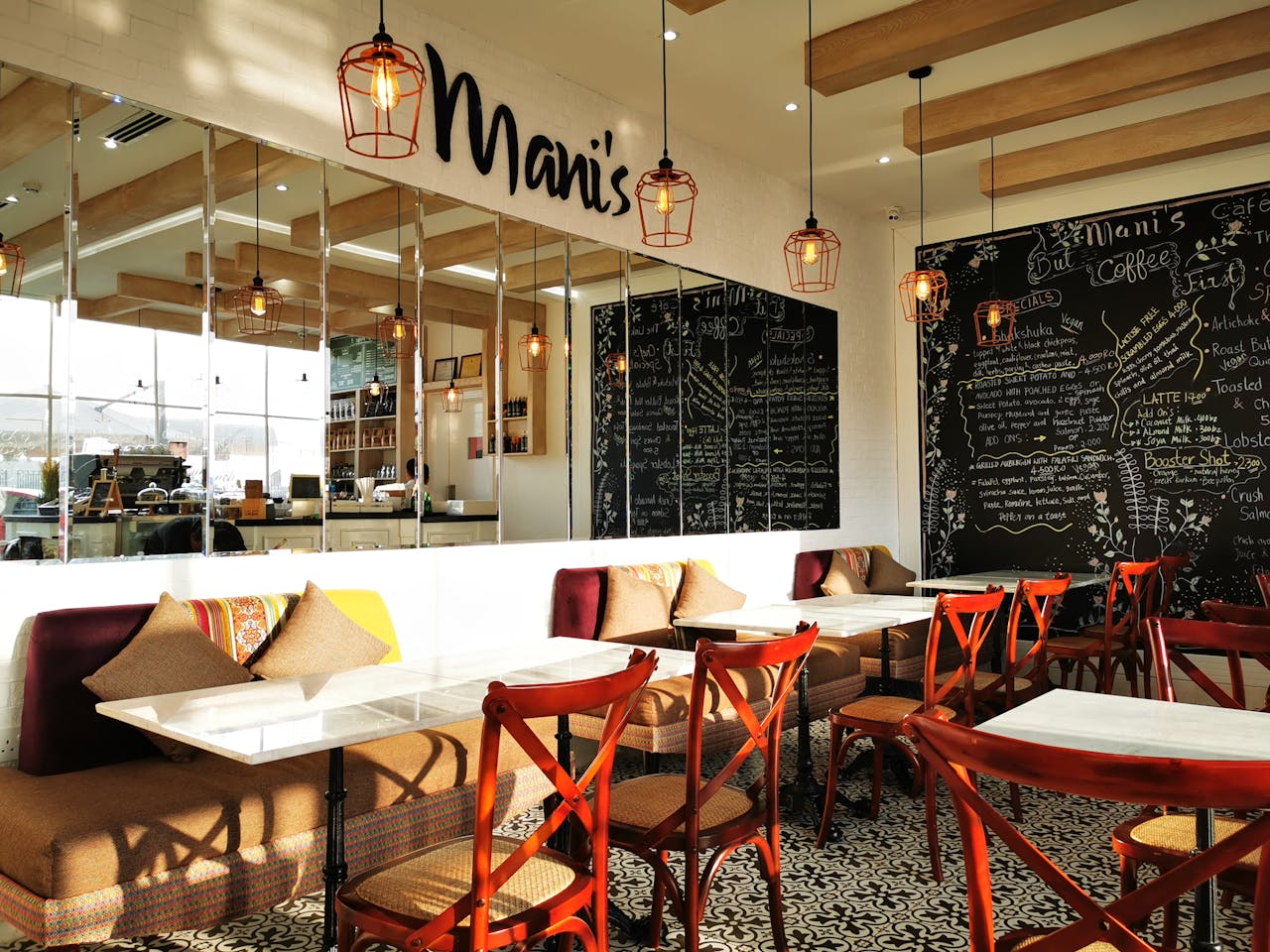
Mirrored walls once dominated the decade, but the modern comeback focuses on smaller and more deliberate pieces. Decorative arts researchers point out that mirrors became popular in the 80s because they expanded tight rooms and amplified natural light. That benefit still matters. When you use mirrored trays, side tables, or cabinet fronts, you brighten your space and add a reflective layer that shifts throughout the day. The effect feels crisp without overpowering your layout. You might even pair a mirrored console with a soft rug and cozy lighting to keep the overall vibe warm. A few subtle reflections can make a room feel larger and more alive than plain walls ever could.
4. Lacquered Surfaces
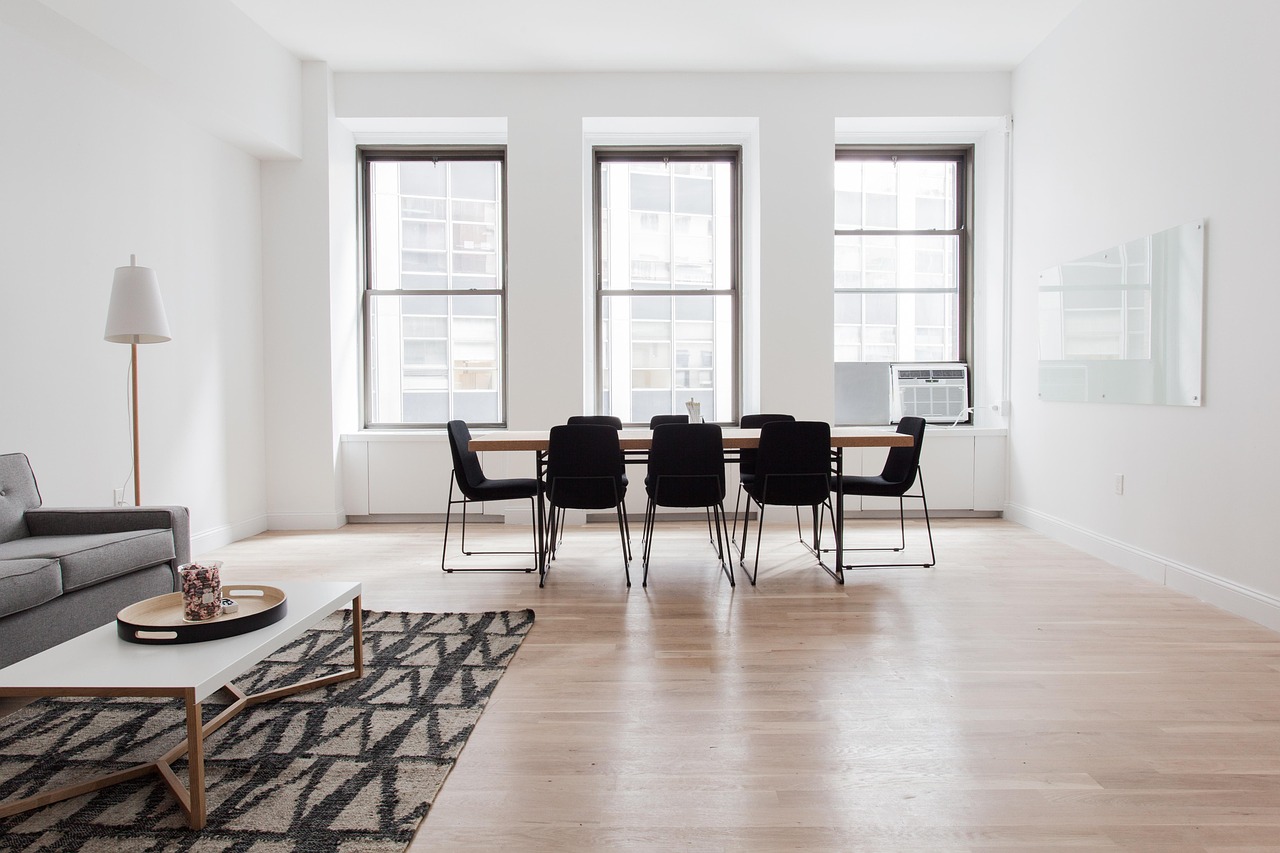
High-gloss lacquer is returning with richer colors and smoother finishes. The Victoria and Albert Museum traces the 1980s interest in lacquer to Japanese design influence, and you still see that connection in today’s cabinets and sideboards. A single lacquered surface brings depth and a gentle shine that catches the light. The look works well when you want something polished but not flashy. You can anchor a dining room or hallway with one standout piece that sets the tone. When you keep the rest of the room quiet, that glossy surface becomes a calm focal point rather than a distraction. It also holds up well over time, which makes it a practical choice as much as a stylistic one.
5. Oversized Sofas
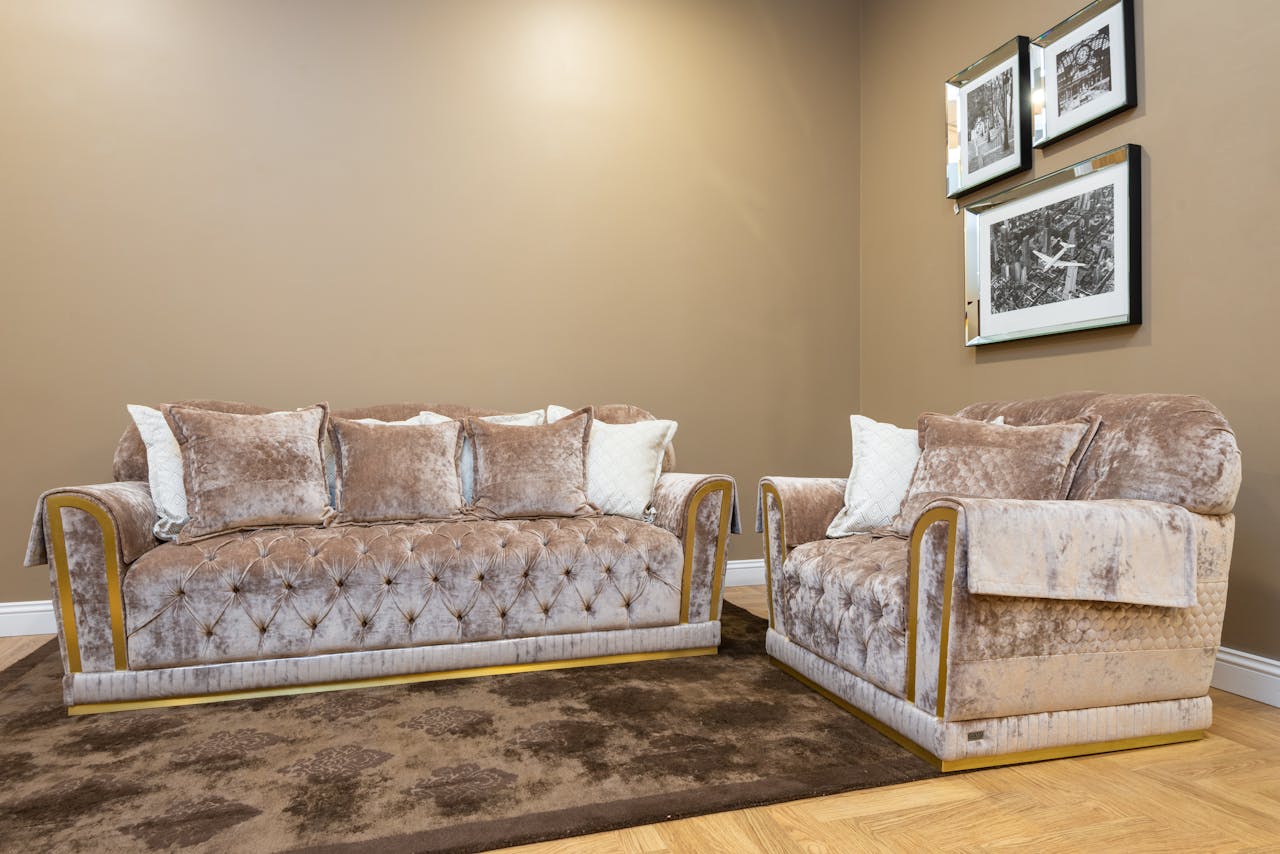
The 80s embraced wide, deep seating, and the modern version follows that same comfort-first approach. Retail studies confirm growing demand for generous cushions and relaxed silhouettes. These sofas work well when you want your living room to feel welcoming and grounded. They also help blend vintage elements with newer pieces because the scale makes the layout feel balanced. When you choose a neutral fabric, the sofa turns into a long-lasting centerpiece. You also get more flexibility when you want to rotate pillows or throws since the base stays timeless. The result is a room that feels easy to use and easier to update whenever your style shifts.
6. Glass Block Accents
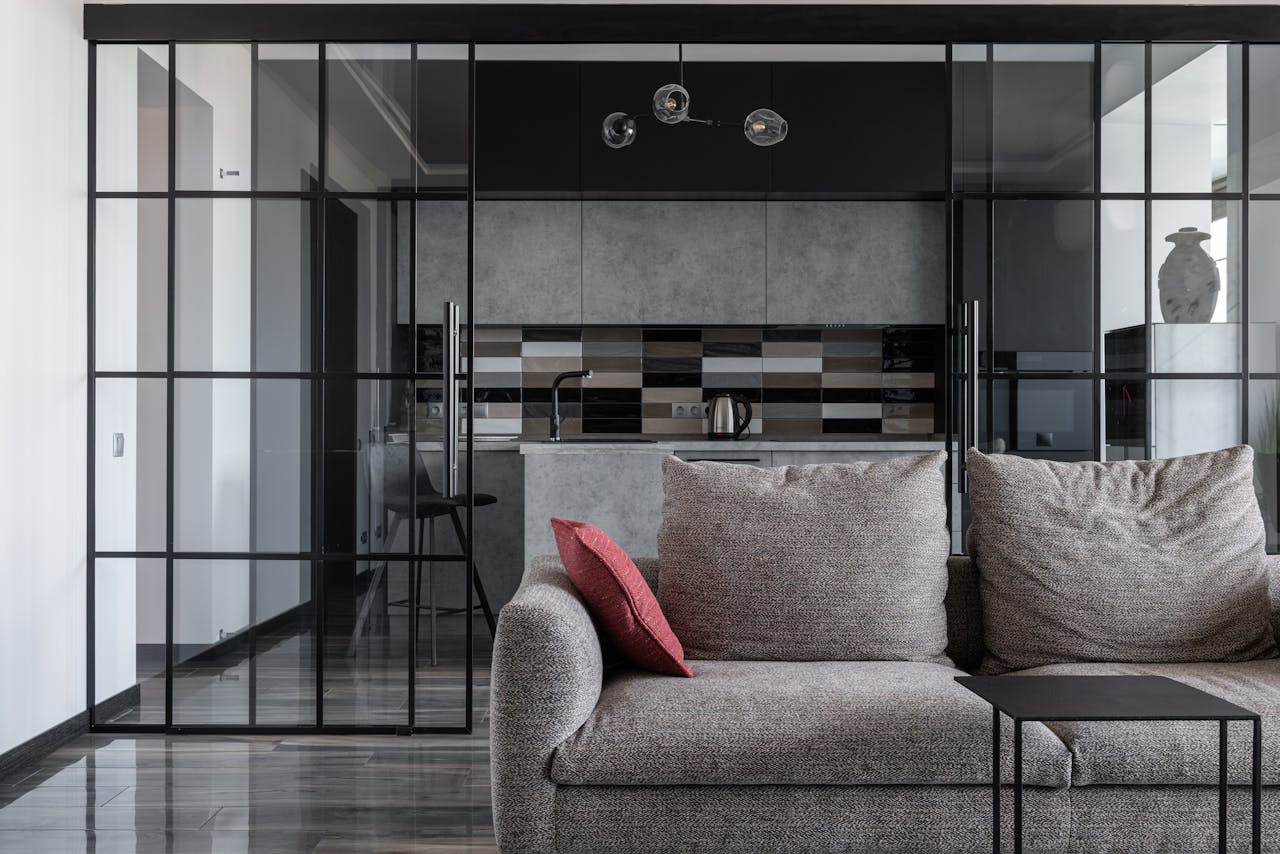
Glass blocks helped brighten enclosed rooms in the 1980s, and preservation records from the National Park Service show that this material has a long architectural history. Today, you see it used in smaller features like shower walls, pass-throughs, and room dividers. It adds privacy while keeping spaces bright, which makes it practical in tight urban layouts. When you limit the blocks to one section instead of a full wall, the look stays light and modern. You also get a subtle texture that breaks up flat surfaces without overwhelming the room. Used thoughtfully, it brings a touch of retro charm that still feels fresh.
7. Bold Geometric Patterns
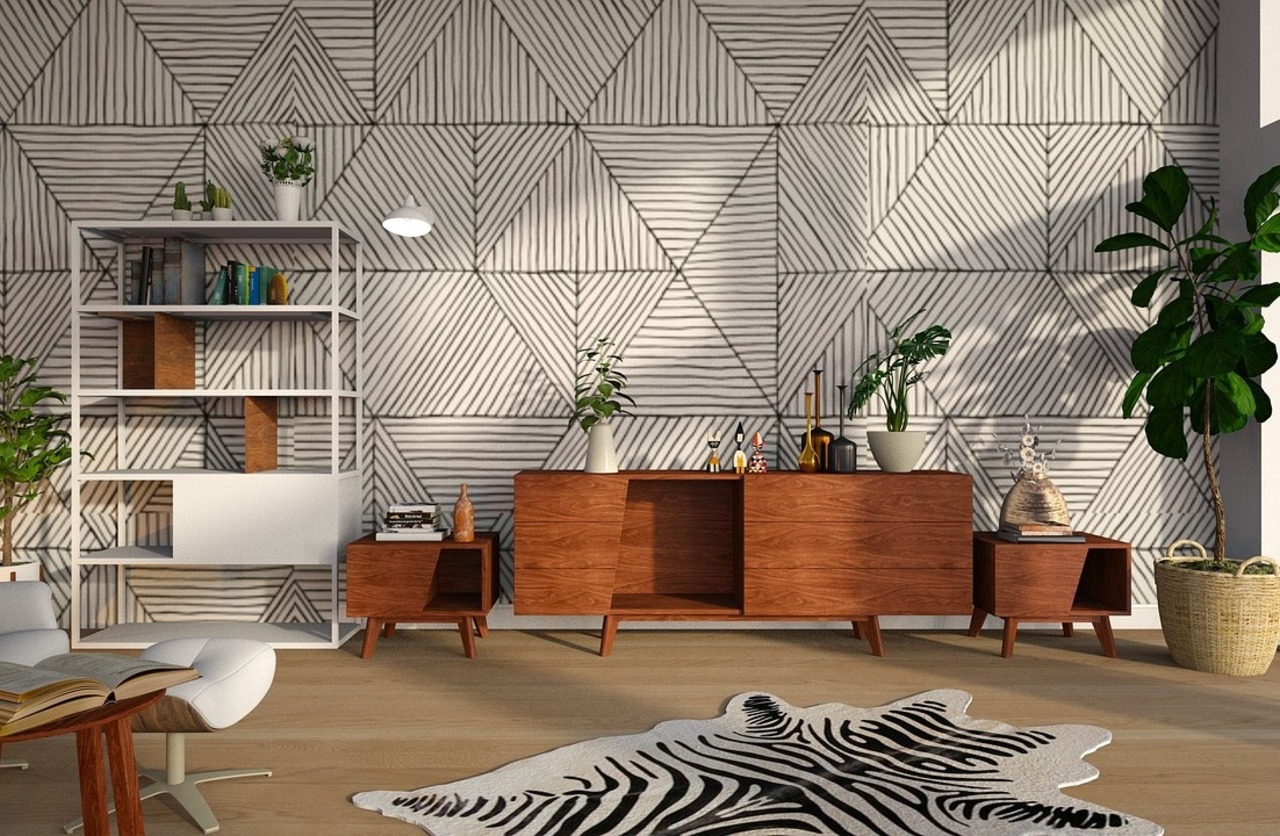
Design historians note that the 1980s leaned heavily into geometric shapes because they offered a sense of structure during a period of rapid cultural change. You see that influence returning through rugs, prints, and accent pillows that use sharp lines and contrasting colors. When you add one geometric piece, you immediately give the room direction and rhythm. The key is choosing a single focal item so the pattern doesn’t compete with the rest of your layout. If you keep the surrounding furniture simple, the graphic element reads as intentional rather than busy, and you get a burst of personality that’s easy to update later.
8. Smoked Glass Furniture
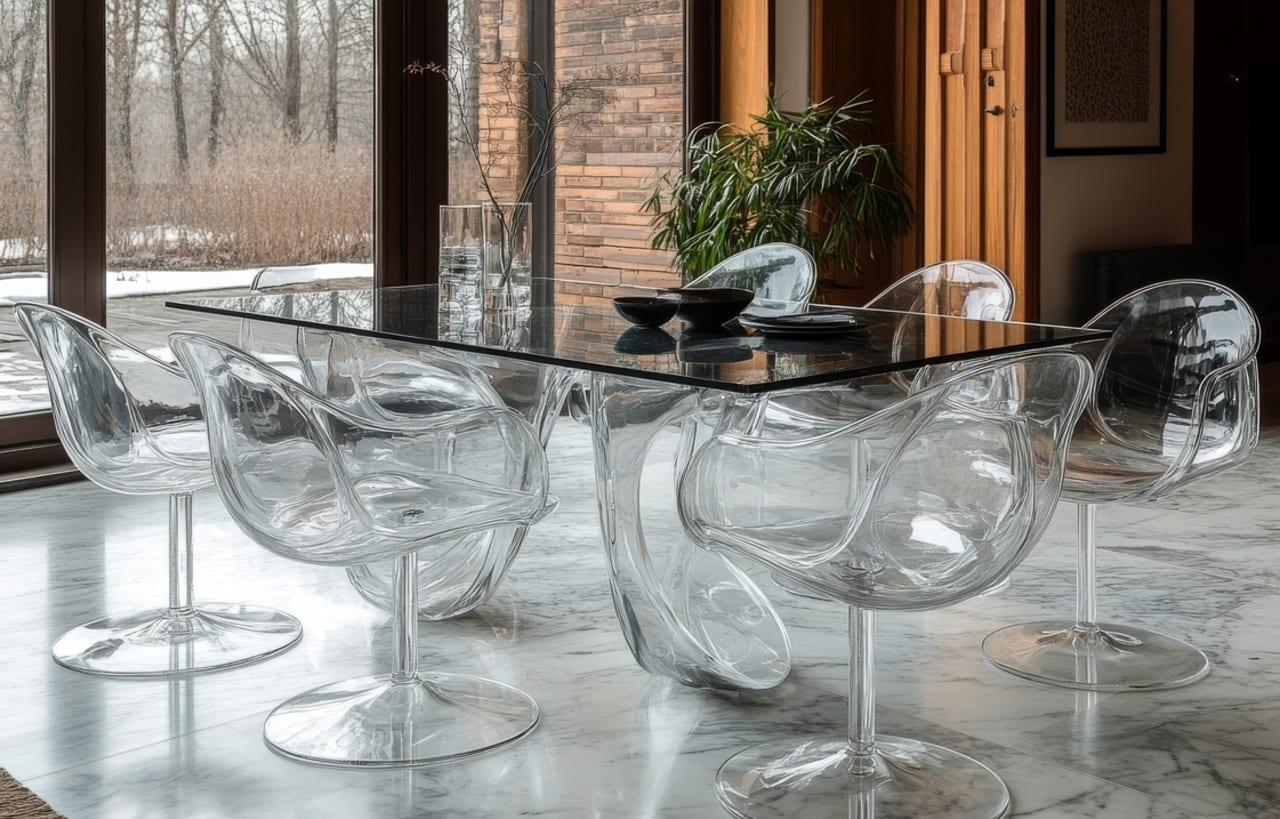
Smoked glass became popular in the late 1980s as manufacturers experimented with tinted finishes to soften the stark chrome furniture of the previous decade. Museum collections from the period show how designers used gray and bronze tones to create moodier surfaces without blocking light. You’re seeing that look again in coffee tables, shelving, and small side pieces that add a quiet sophistication. The tint hides smudges better than clear glass, and it works with both cool and warm palettes. When you pair smoked glass with simple frames, you get a sleek accent that feels current but still nods to its retro roots.


