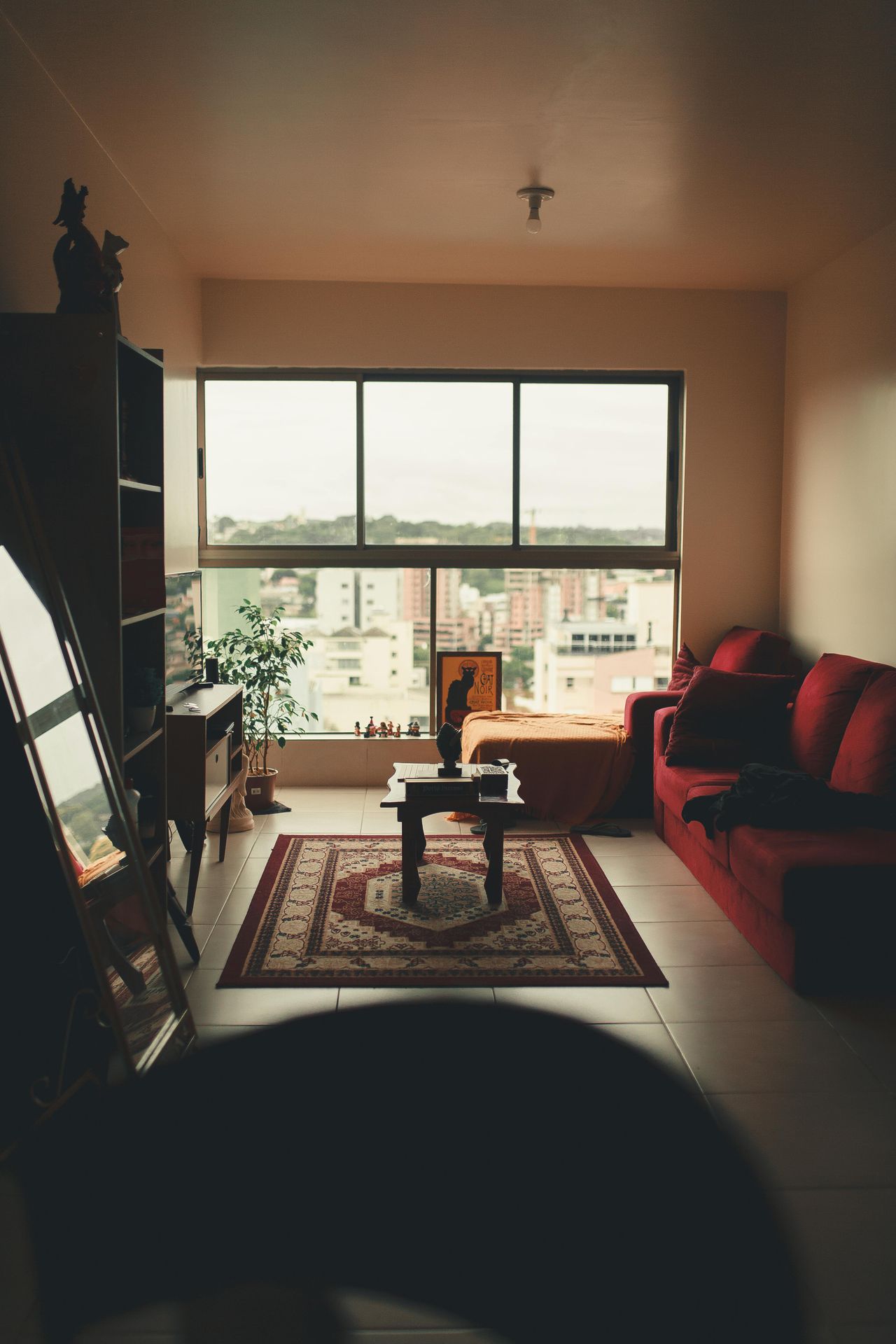
Apartment stress is not always loud or dramatic. More often, it builds through small routines, crowded corners, and background irritations that start to feel normal. This gallery explores six common living patterns that can quietly wear on your mood, focus, and energy without announcing themselves as the problem.
Using every room for too many purposes

Apartment living often requires flexibility, but there is a difference between multifunctional and mentally crowded. When your bed doubles as your work lounge, your dining table becomes a desk, and your kitchen counter turns into a mail station, your mind gets fewer signals about when to focus and when to switch off. Everything starts to blur together.
That can leave you feeling strangely restless even during downtime. You may sit down to relax and immediately notice work items, dishes, or errands within arm’s reach. The body is home, but the mind is still cycling through roles. It becomes harder to fully settle because the environment keeps reminding you of the next task.
In smaller spaces, this pattern is especially sneaky because it can seem efficient. But constant overlap can quietly erode boundaries. Without clear cues for rest, productivity, and sleep, each part of the day can feel a little less satisfying and a little more draining.
Ignoring background noise until it becomes normal

Many apartment dwellers get used to a soundtrack of hallway footsteps, traffic, buzzing appliances, barking dogs, or neighbors moving furniture overhead. Because the noise is familiar, it is easy to assume it is no longer affecting you. But the nervous system can stay more alert than you realize, especially when sounds are unpredictable.
The issue is not always volume. Intermittent noise can be more stressful than steady sound because your brain keeps checking whether it needs to respond. A thud at midnight, a door slamming during a meeting, or a muffled television through the wall can interrupt focus in ways that seem minor but still take a toll.
Over time, that subtle vigilance can show up as irritability, tension, or trouble winding down. You may simply think you are tired or in a bad mood, when part of the problem is that your home never becomes as quiet and settled as your body wants it to be.
Keeping lighting too dim or too harsh

Lighting shapes mood faster than most people expect. In apartments, it is common to rely on whatever came with the unit: a harsh ceiling fixture, a dark corner that never gets daylight, or a bedroom lit almost entirely by screens. None of those choices seem dramatic on their own, but together they can make a space feel draining.
Poor lighting can affect how alert, calm, or comfortable you feel across the day. Dim rooms can flatten energy and make chores seem heavier. Overly bright overhead light can create a cold, exposed feeling that makes it difficult to unwind. If you work from home, bad lighting can also make your apartment feel less human and more like a waiting room.
Because people adapt quickly, they often blame themselves rather than the environment. They think they are unmotivated, fatigued, or edgy. Sometimes the stressor is simpler: the space is not giving your eyes and brain the cues they need for focus, ease, and rest.
Treating storage problems as a personal failure

Apartments rarely come with perfect storage, yet many people respond to limited closets and awkward cabinets as if they are somehow managing life incorrectly. That mindset creates a quiet emotional burden. Every overstuffed shelf and crowded corner starts to feel like evidence that you are disorganized, even when the real issue is simply not enough space.
This stress tends to build through friction. You cannot find what you need quickly, seasonal items are always in the way, and simple tasks require shuffling three other things first. The effort is small but constant, which is exactly why it becomes exhausting. Daily life starts to include more micro-obstacles than it should.
When storage is strained, your apartment can begin to feel like it resists you. That feeling matters. A home that makes ordinary routines harder can chip away at patience and self-control. The result is not just inconvenience, but a steady sense of pressure that follows you from morning to night.
Never fully resetting shared or high-traffic areas

The places you pass through most often have an outsized effect on stress. An entryway with shoes scattered everywhere, a kitchen sink that is always almost done, or a bathroom counter crowded with half-used products can make the entire apartment feel more chaotic than it really is. These are small zones, but they set the tone repeatedly.
What makes this pattern so wearing is frequency. You encounter these areas several times a day, so each one has multiple chances to signal disorder, delay, or decision fatigue. Even a few seconds of irritation at the front door or in the kitchen can accumulate into a household atmosphere that feels tense and unfinished.
A full reset does not mean perfection. It means giving the busiest parts of the apartment a chance to return to neutral often enough that they stop demanding attention. When they stay in a semi-messy state all the time, they quietly train your mind to expect friction at every turn.
Relying on home as a holding zone instead of a recovery space

One of the most common stress patterns in apartment living is using home as the place where everything lands, but not the place where anything gets resolved. Mail gets dropped on the table, workout gear stays in the corner, groceries linger in bags, and errands remain visible long after the day is over. The apartment becomes a holding zone for unfinished life.
That atmosphere can keep you in a low-level state of activation. Instead of signaling safety and recovery, your space keeps showing you reminders of what still needs to be handled. Even pleasant routines like making dinner or sitting down with a show happen in the company of loose ends.
This pattern often develops innocently, especially when life is busy and square footage is limited. But over time, it changes the emotional function of home. Rather than helping you come back to yourself, the apartment becomes a container for ongoing demand, and that can make everyday stress feel constant.