Across the United States, pet ownership is governed not only by common rules like licensing and vaccinations but also by some unusual state-specific laws. These rules often reflect local history, cultural traditions, or public safety concerns. The seriousness with which communities regulate animals is demonstrated by the fact that many are recorded in official state legislative codes and municipal ordinances. While some laws appear humorous or outdated, they remain enforceable. From bans on unusual pets to restrictions on behavior, these examples reveal how deeply animals are woven into American legal systems.
1. Alaska – No Moose in the Saloon

In Alaska, it is illegal to bring a moose into a bar, a law rooted in early territorial regulations and wildlife safety. Alaska Statutes Title 16 cover wildlife protections broadly, and municipalities often reinforce rules that prevent wild animals from entering public establishments. This unusual law highlights the intersection between everyday life and Alaska’s unique wildlife. While it may sound comical, it underscores the challenges of living closely alongside large animals. It reflects the state’s effort to balance human activity with the protection and management of its iconic moose population.
2. California – Ferrets Are Forbidden

California has some of the strictest pet laws in the country, and ferrets are among the animals that cannot be legally owned. According to the California Department of Fish and Wildlife, ferrets are classified as a restricted species due to environmental concerns. Officials argue that escaped ferrets could threaten native wildlife and disrupt ecosystems. Despite ongoing petitions to legalize them, the ban remains in place. This law highlights how California prioritizes ecological balance, even in the face of strong lobbying from pet enthusiasts who have long argued for the legalization of these playful animals.
3. New York – No Tigers in Apartments
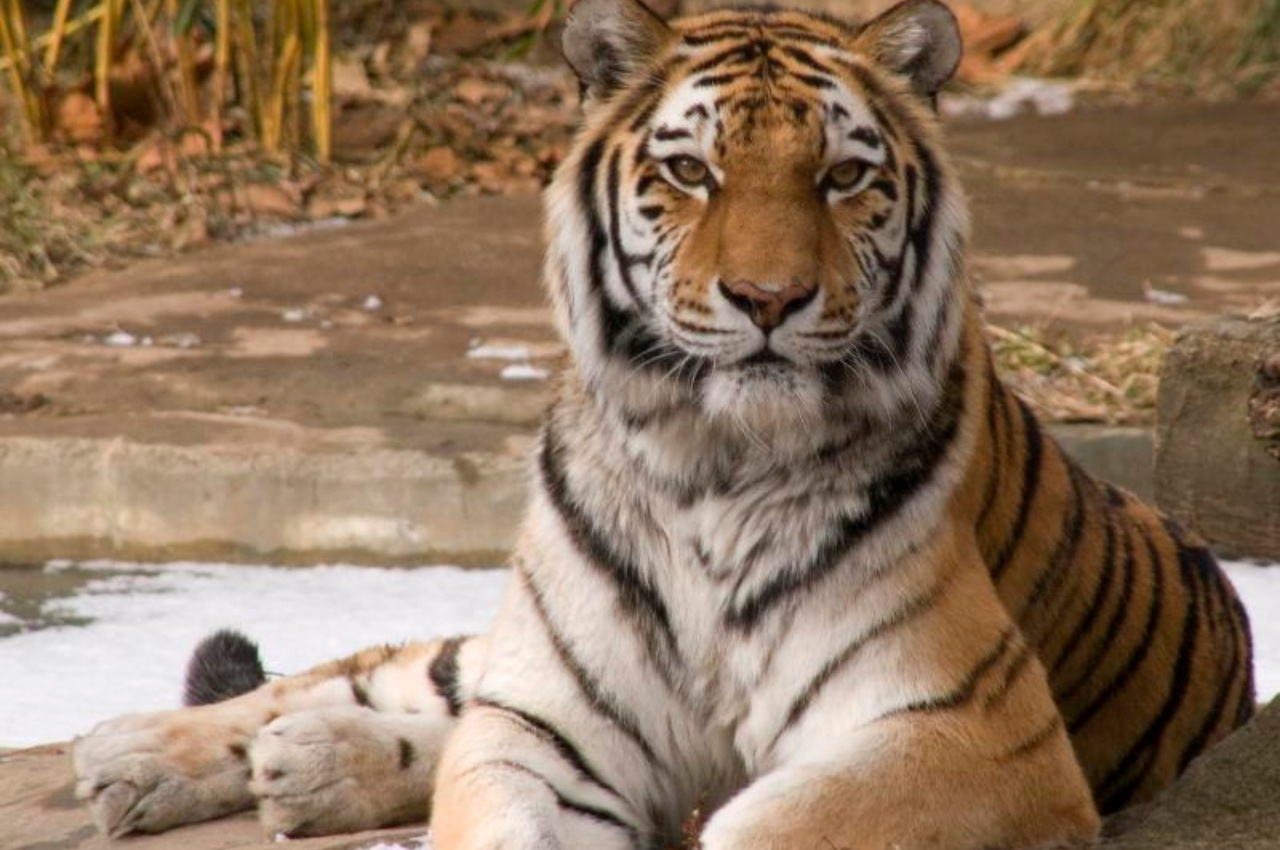
In New York, owning wild animals such as tigers, lions, or alligators is strictly prohibited under Article 11 of the New York Environmental Conservation Law. This law forbids the keeping of exotic animals in cramped urban areas in an effort to safeguard both public safety and animal welfare. The law gained attention after high-profile incidents, including a case where a tiger was discovered in a Harlem apartment in 2003. This rule illustrates how urban states prioritize safety and highlight the dangers of treating wild animals as domestic companions in dense residential environments.
4. Georgia – No Kangaroos as Pets
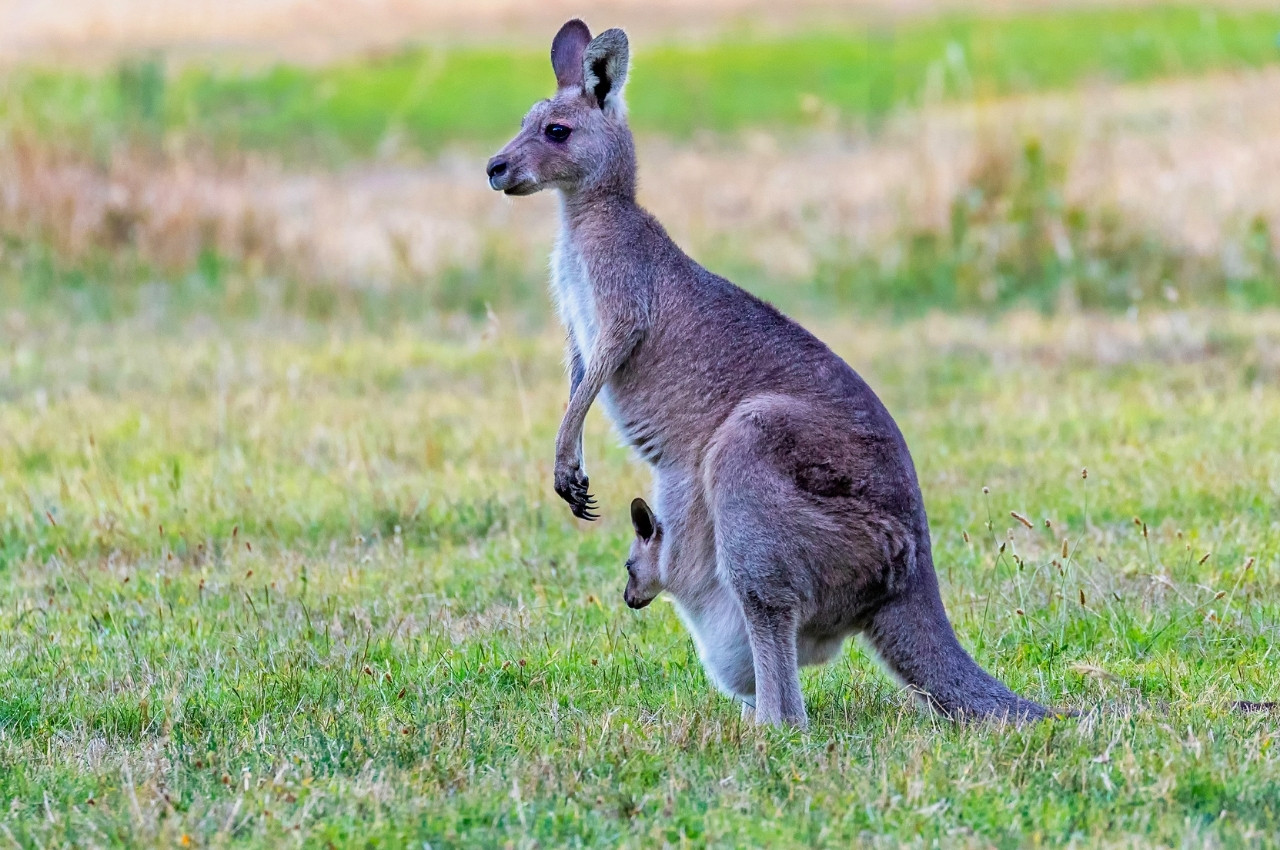
Georgia restricts the private ownership of exotic animals, and kangaroos fall under this prohibition. The Georgia Department of Natural Resources enforces these regulations under its Wildlife Resources Division, which categorizes kangaroos as inherently dangerous animals. The law prevents individuals from attempting to keep non-native species that require specialized care. It reflects the state’s commitment to preserving public safety and environmental stability. While kangaroos may seem like fascinating pets, their unpredictable behavior and strength make them unsuitable for domestic life, leading to clear bans in Georgia’s official animal control codes.
5. Connecticut – No Monkeys Without a Permit
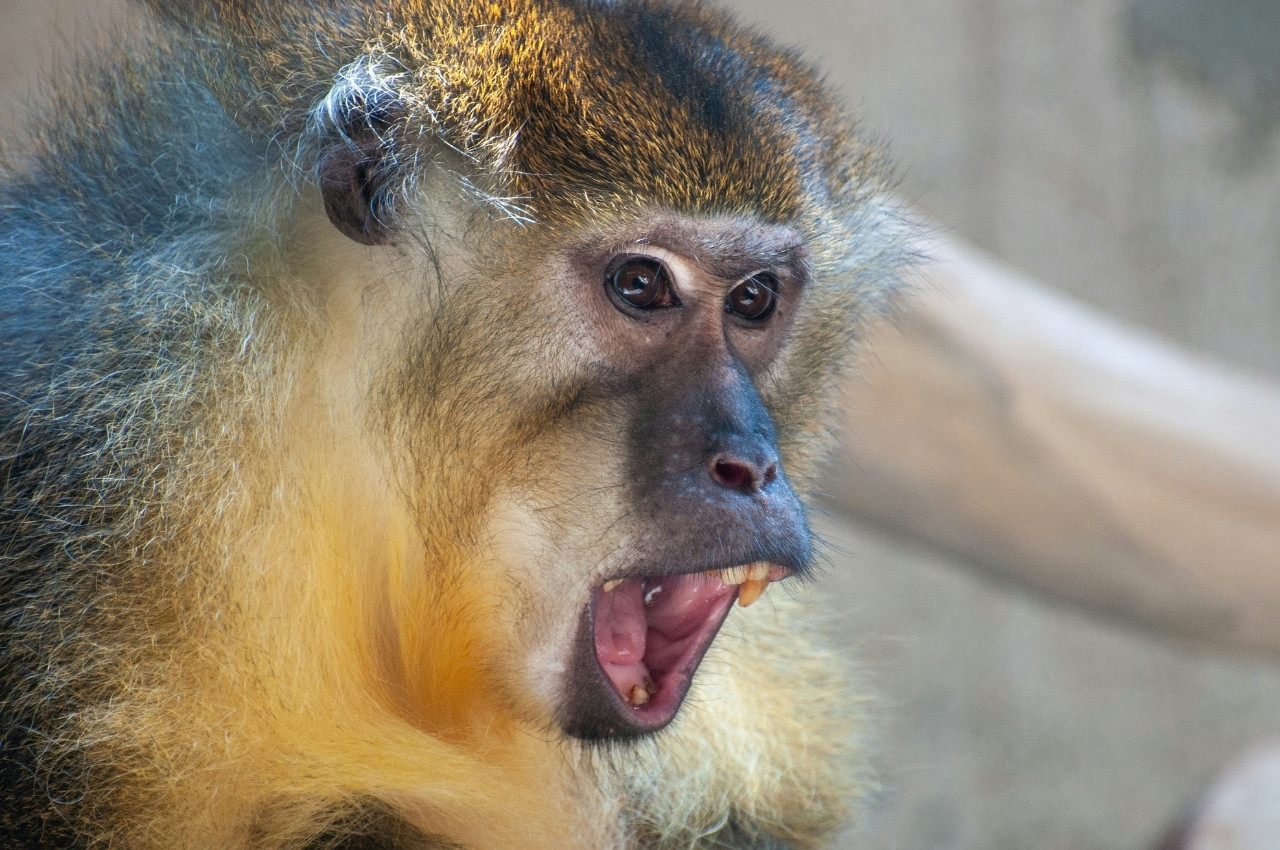
In Connecticut, keeping primates such as monkeys requires a special permit, as outlined by the Connecticut Department of Energy and Environmental Protection. This law was strengthened after incidents involving escaped primates caused injuries, most notably the 2009 chimpanzee attack in Stamford. The regulations ensure that only individuals with proper facilities and experience can own such animals, balancing human safety with animal welfare. It highlights how some unusual pet laws evolve directly from real events. The restrictions remain part of Connecticut’s strategy to prevent tragedies and protect both communities and primates.
6. Wyoming – One Cat Limit in Some Towns
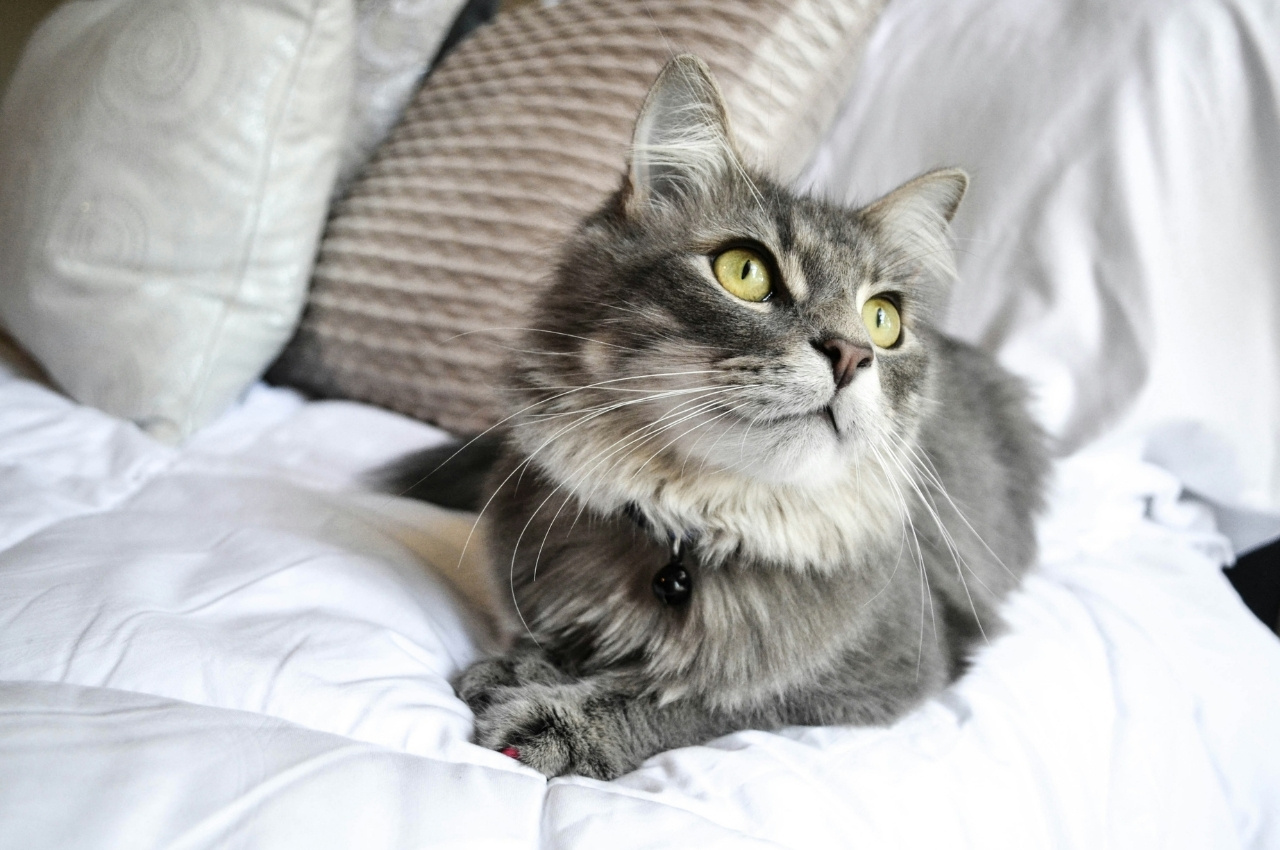
In certain Wyoming municipalities, pet ordinances place a surprising cap on the number of cats residents can own. For example, local codes in some small towns restrict households to one or two cats, citing concerns about public health and nuisance complaints. Municipal records and town council ordinances provide the basis for these rules, which are tailored to community size. These unusual cat limits emphasize how rural communities adapt their laws to maintain harmony between neighbors and animals. They reveal the flexibility of local governments in shaping pet ownership standards.
7. Kentucky – No Reptiles in Religious Services
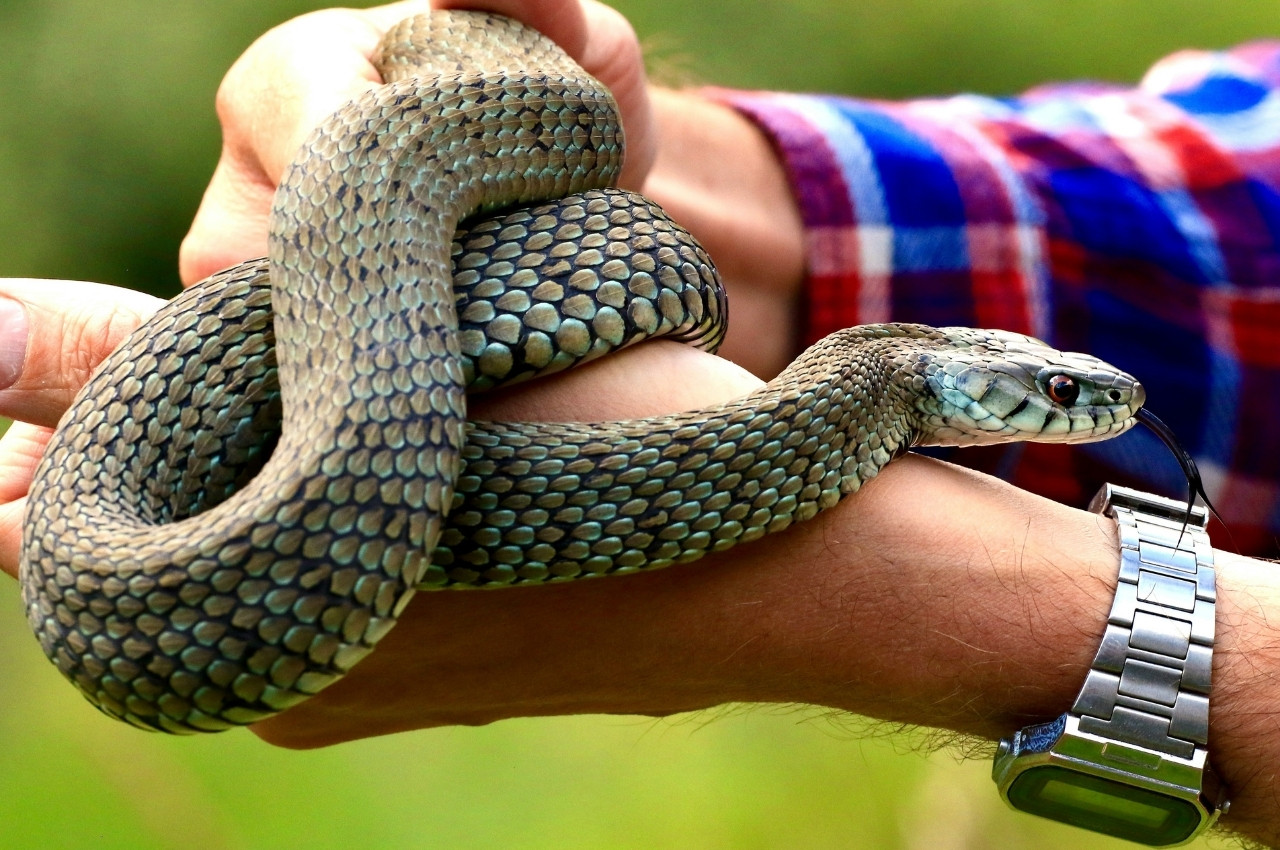
Kentucky law prohibits the use of reptiles such as snakes in religious services, as outlined in the Kentucky Revised Statutes addressing public safety and animal control. This rule stems from historical practices in some Appalachian churches where snakes were handled during ceremonies. The law reflects the state’s concern for both human welfare and animal treatment. While rooted in cultural history, the ban prevents potentially dangerous situations. It illustrates how legal codes often adapt to regulate unique regional customs, ensuring safety while acknowledging the traditions that inspired the regulations.
8. Illinois – No Smelly Animals in Chicago
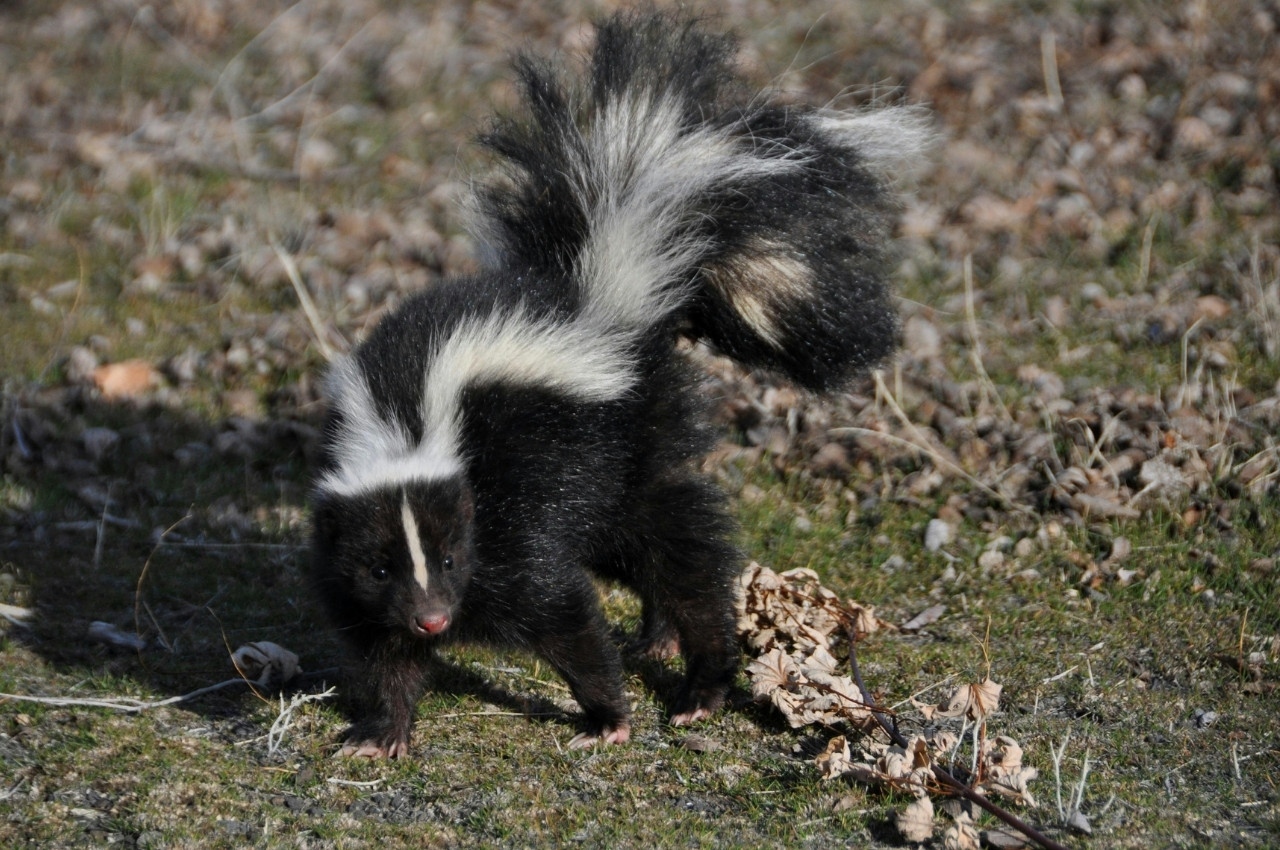
In Chicago, the municipal code prohibits keeping animals considered dangerous or excessively odorous, which includes skunks. The City of Chicago’s Animal Care and Control regulations enforce this law, emphasizing sanitation and neighborhood quality of life. Skunks, even when domesticated, pose a risk because of their strong scent glands and potential health concerns. By outlawing such pets, Chicago prioritizes public health and prevents conflicts between neighbors. This unusual law highlights the intersection of urban living, animal ownership, and the city’s responsibility to manage community standards for all residents.