Houseplants do more than simply brighten our living spaces; they carry rich stories that span centuries, continents, and cultures. Some were treasured by royalty, others played vital roles in rituals, while a few became enduring symbols of luck, love, and prosperity. Each plant brings a legacy into our homes, offering a living connection to history, tradition, and the natural world. Exploring their origins reveals the captivating journeys behind the greenery that quietly enriches our everyday lives.
1. Monstera Deliciosa

Monstera Deliciosa, known as the Swiss cheese plant, captivates with its naturally perforated leaves. Native to Central America’s tropical rainforests, it was prized by indigenous peoples not only for its beauty but also for its edible fruit, considered a rare delicacy. European explorers later introduced it to botanical gardens, and over time, it became a global favorite. Today, its dramatic, sculptural foliage bridges exotic nature and modern interior design, bringing a lush, tropical feel to homes worldwide.
2. Fiddle Leaf Fig (Ficus lyrata)
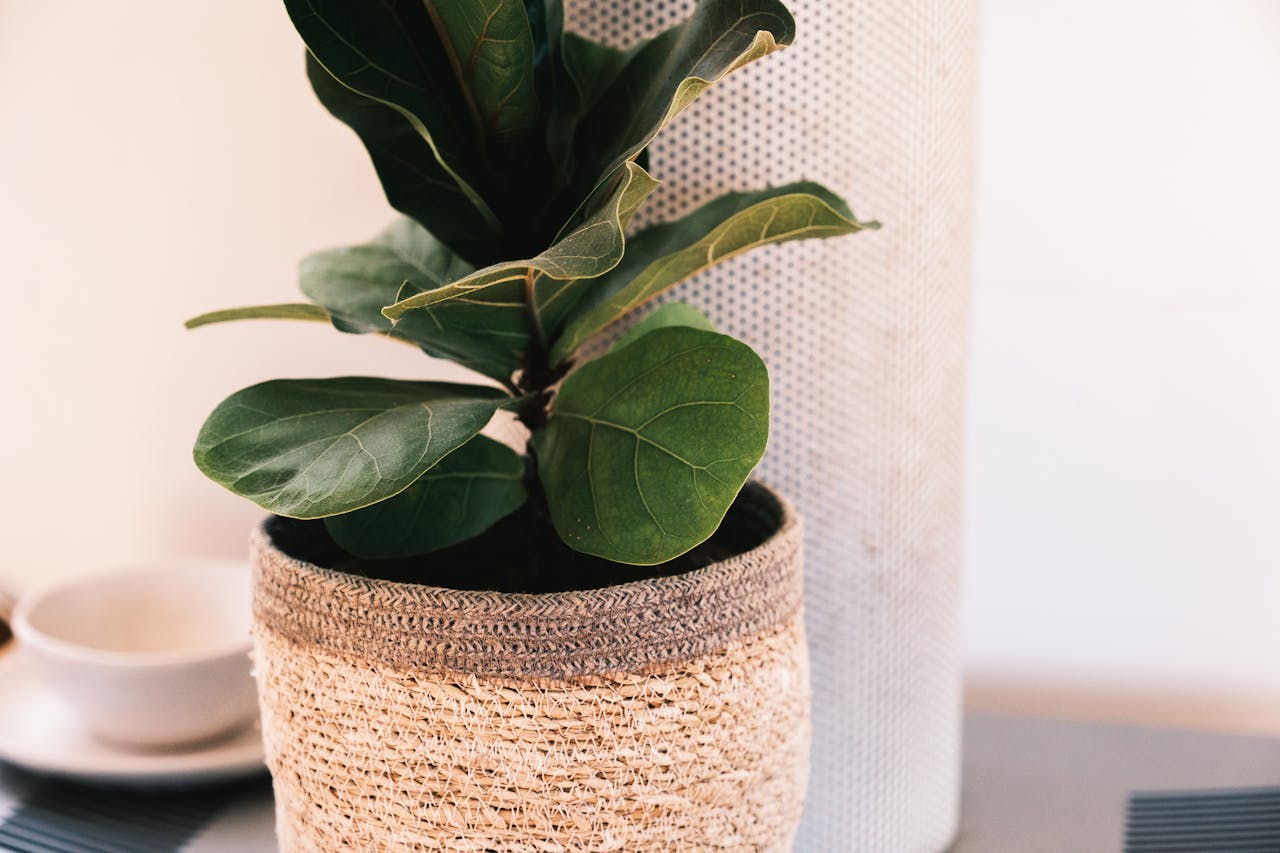
The Fiddle Leaf Fig has become an emblem of modern interior style, but its roots trace back to West Africa’s tropical forests. Locals valued its large, violin-shaped leaves for both aesthetic and symbolic purposes. It reached Europe in the 19th century, was celebrated in botanical gardens before finding its way into homes globally. Its bold, dramatic leaves convey elegance and stature, allowing indoor gardeners to connect with distant forests and centuries of horticultural tradition while adding visual drama to contemporary spaces.
3. Peace Lily (Spathiphyllum)
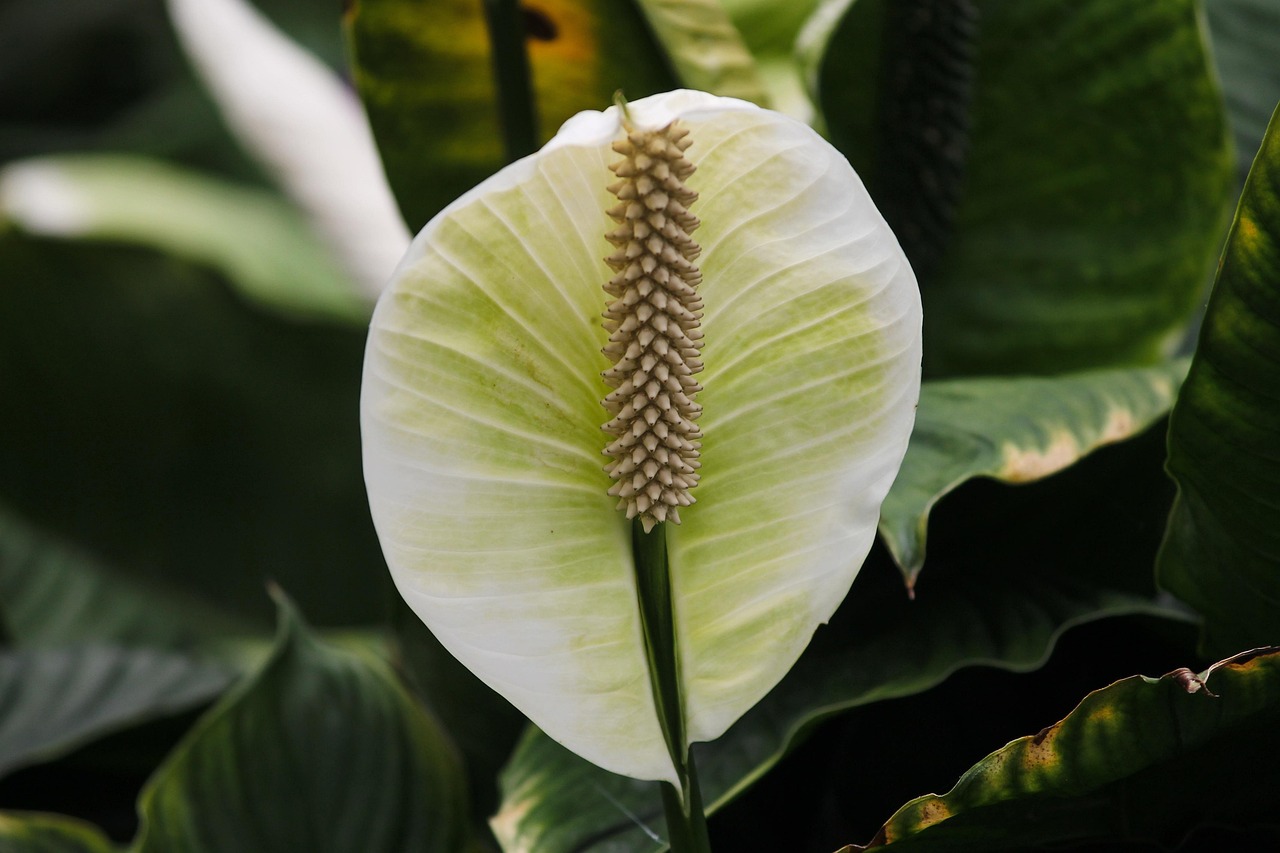
Peace lilies are more than graceful indoor plants; they carry deep symbolism of peace, purity, and healing. Indigenous to tropical Americas, their white blooms and glossy leaves were associated with tranquility and spiritual reflection. Popularized worldwide in the mid-20th century for their air-purifying properties, they became functional yet beautiful companions for homes. Often gifted during times of reconciliation or remembrance, peace lilies embody serenity and emotional calm, turning interior spaces into peaceful, reflective havens.
4. Snake Plant (Sansevieria)
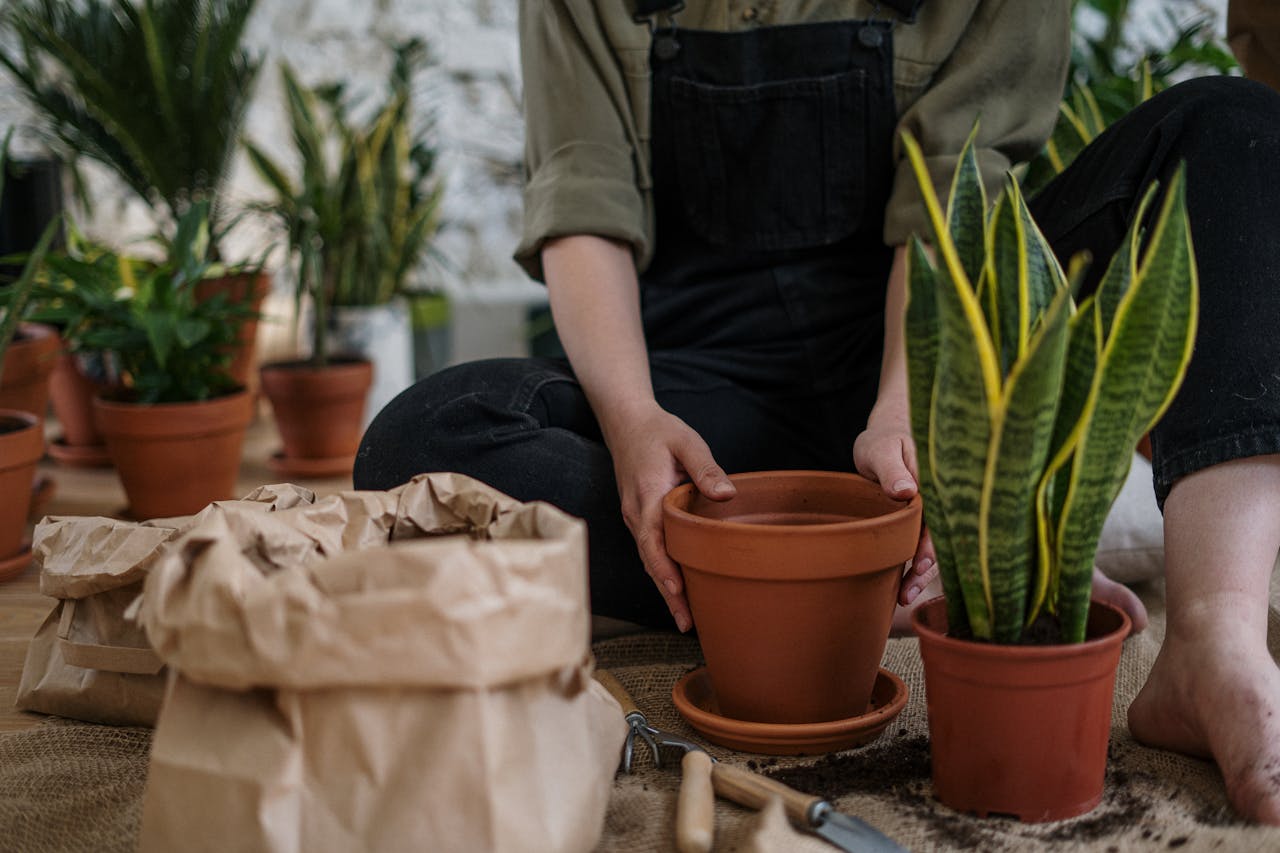
Snake plants are iconic for their upright, sword-shaped leaves and remarkable resilience. Native to West Africa, they were historically believed to ward off evil spirits and protect households. Beyond their symbolic meaning, they are extremely low-maintenance, thriving in dim light and minimal care, which makes them ideal indoor companions. Today, snake plants are celebrated for both their protective symbolism and air-purifying qualities, offering strength, endurance, and a sense of grounded stability that enhances any living space.
5. Aloe Vera
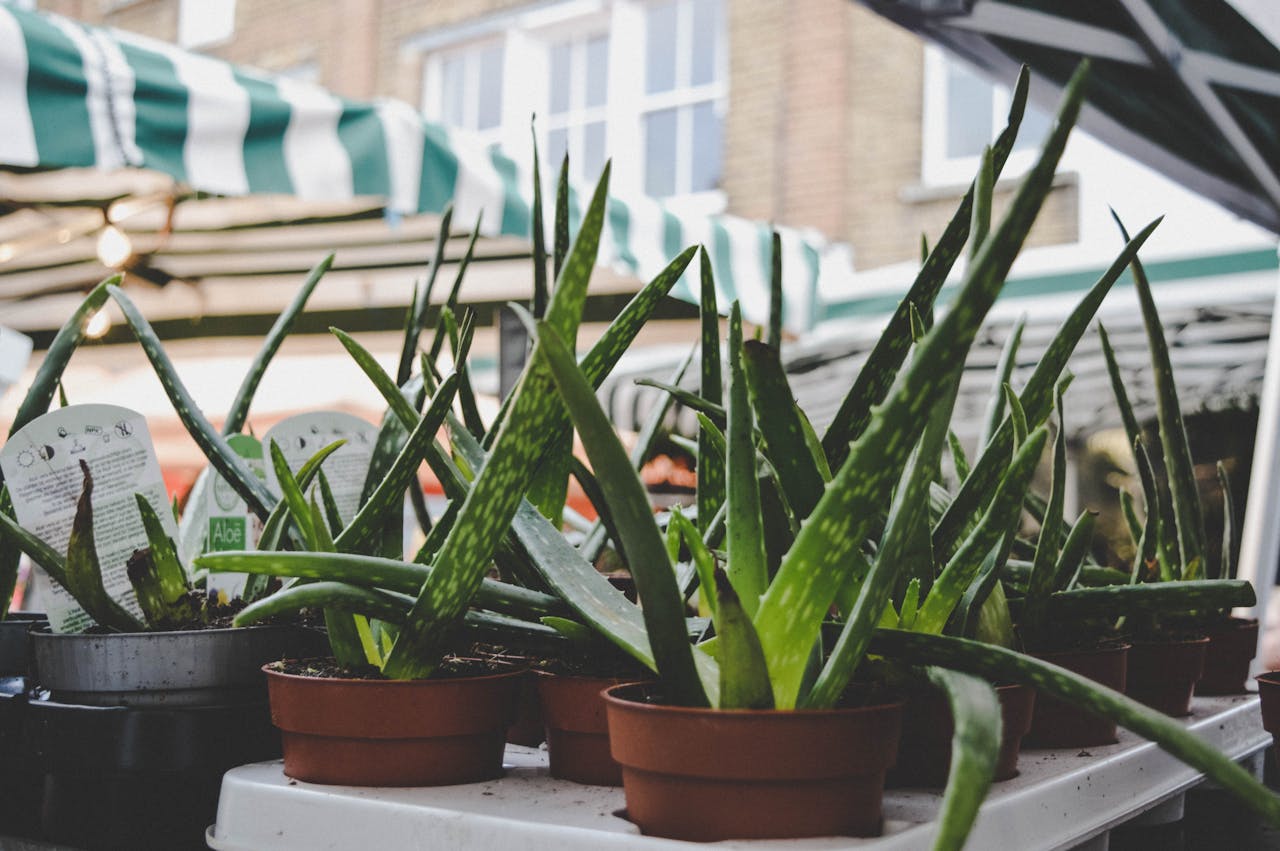
Aloe Vera has been treasured for millennia for its healing and cosmetic properties. Ancient Egyptians called it the “plant of immortality” and used its gel for burns, wounds, and skin care. Its cultivation spread from Africa to Asia and eventually into households around the world. Beyond its practical applications, Aloe Vera symbolizes healing, protection, and vitality. Its succulent leaves provide a daily reminder of nature’s enduring gifts and resilience, making it both a decorative and functional presence in modern homes.
6. Orchid

Orchids have fascinated humans for centuries, especially in Asia, where they symbolized refinement, luxury, and love. Their intricate, exotic flowers made them prized collectibles for aristocrats, often cultivated in elaborate greenhouses. Orchids’ symbolic meanings include beauty, elegance, and sophistication. Over time, cultivation spread globally, making them accessible to indoor gardeners. Today, orchids continue to captivate with their aesthetic complexity and historical prestige, bringing centuries of cultural significance into contemporary homes.
7. Jade Plant (Crassula ovata)
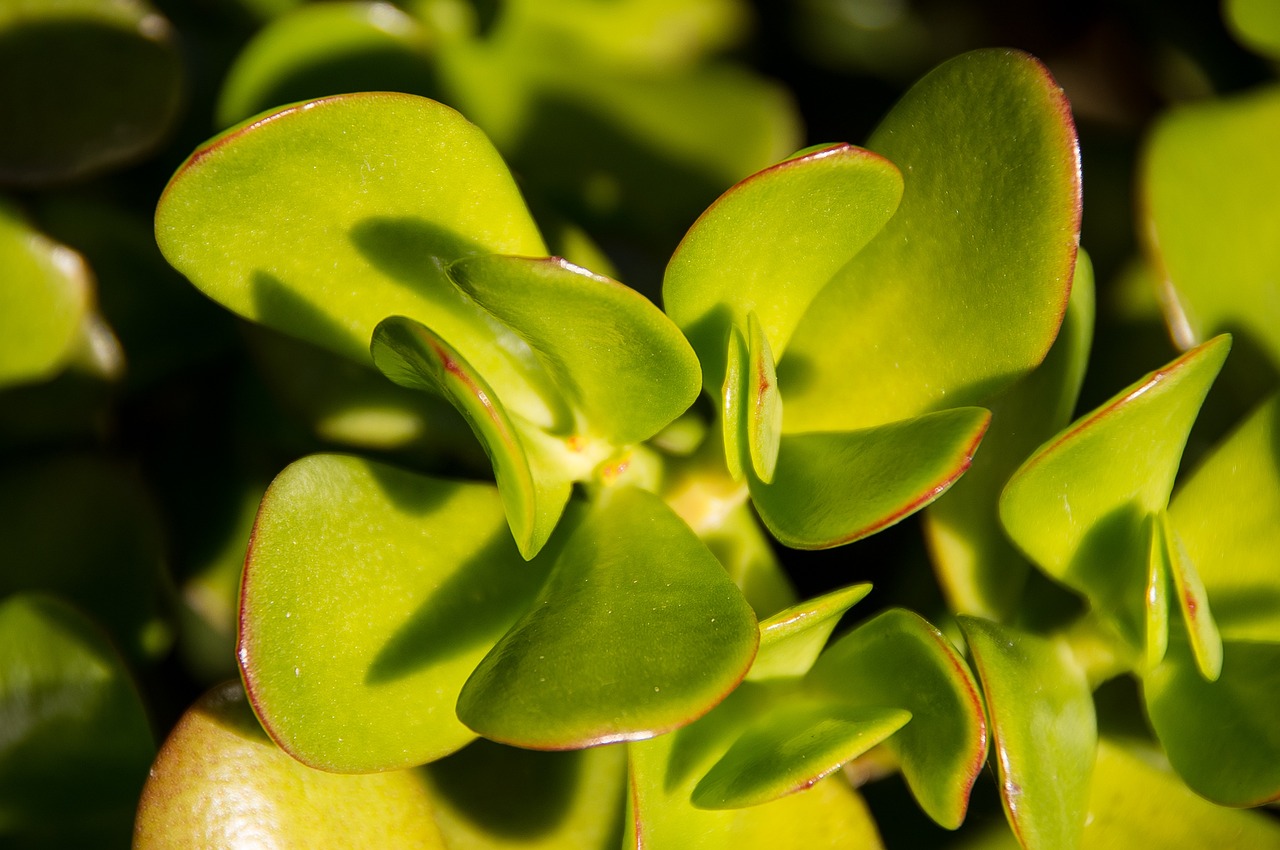
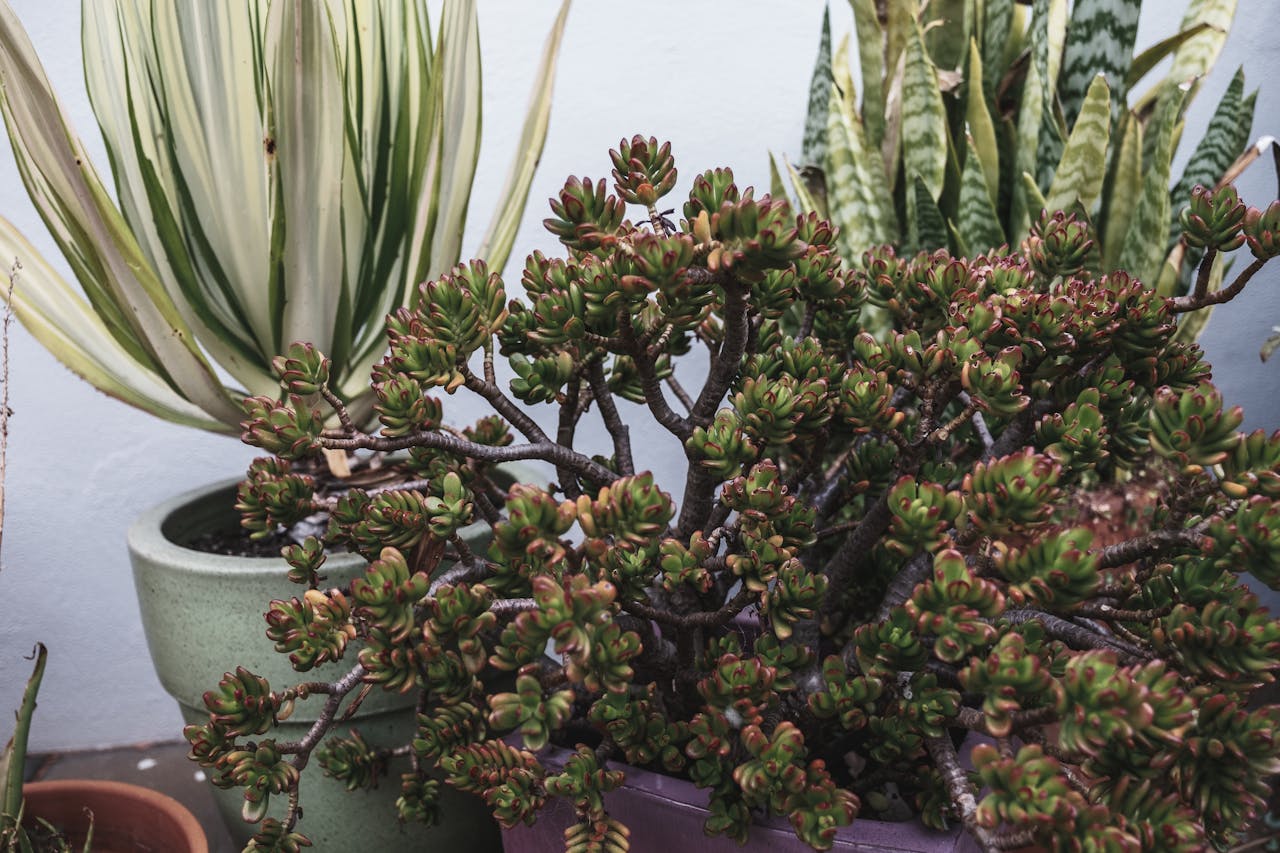
Jade plants are more than attractive succulents; they symbolize prosperity and good fortune, particularly in Chinese culture. Traditionally given as gifts for weddings or Lunar New Year, their coin-shaped leaves represent wealth and harmony. Native to South Africa, they are long-lived, easy to care for, and visually striking. Beyond aesthetics, Jade plants carry a sense of continuity and tradition, connecting homes to age-old beliefs about luck and abundance while offering enduring beauty that complements indoor spaces.
8. Boston Fern (Nephrolepis exaltata)
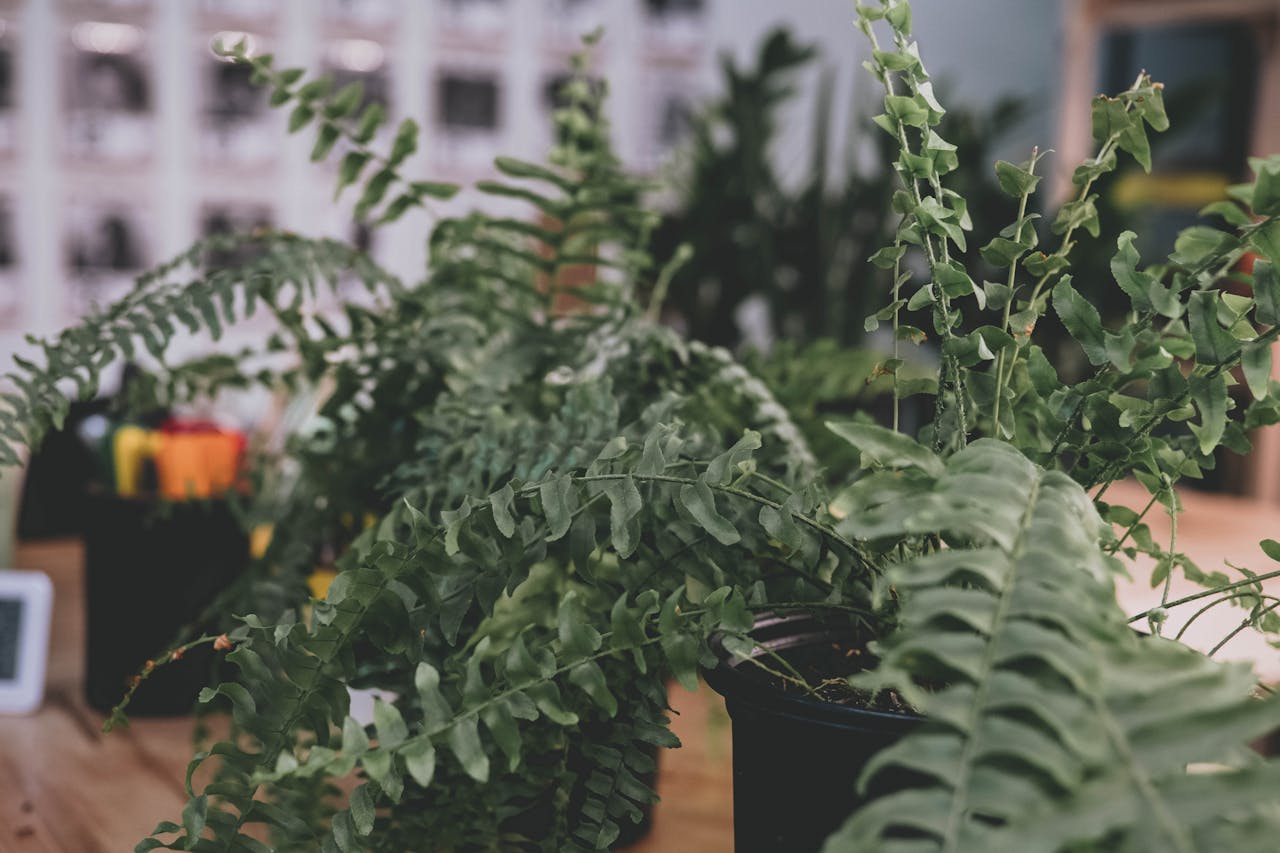
Boston Ferns became a hallmark of Victorian indoor gardens due to their lush, cascading fronds that brought tropical elegance to parlors and conservatories. Native to tropical regions, they were introduced to Europe and North America in the 19th century and quickly valued for both decoration and air-purifying qualities. Beyond their visual appeal, they symbolized health, freshness, and new beginnings. Even today, Boston Ferns remain popular, adding greenery, vitality, and a historical connection to indoor environments worldwide.
9. Calathea
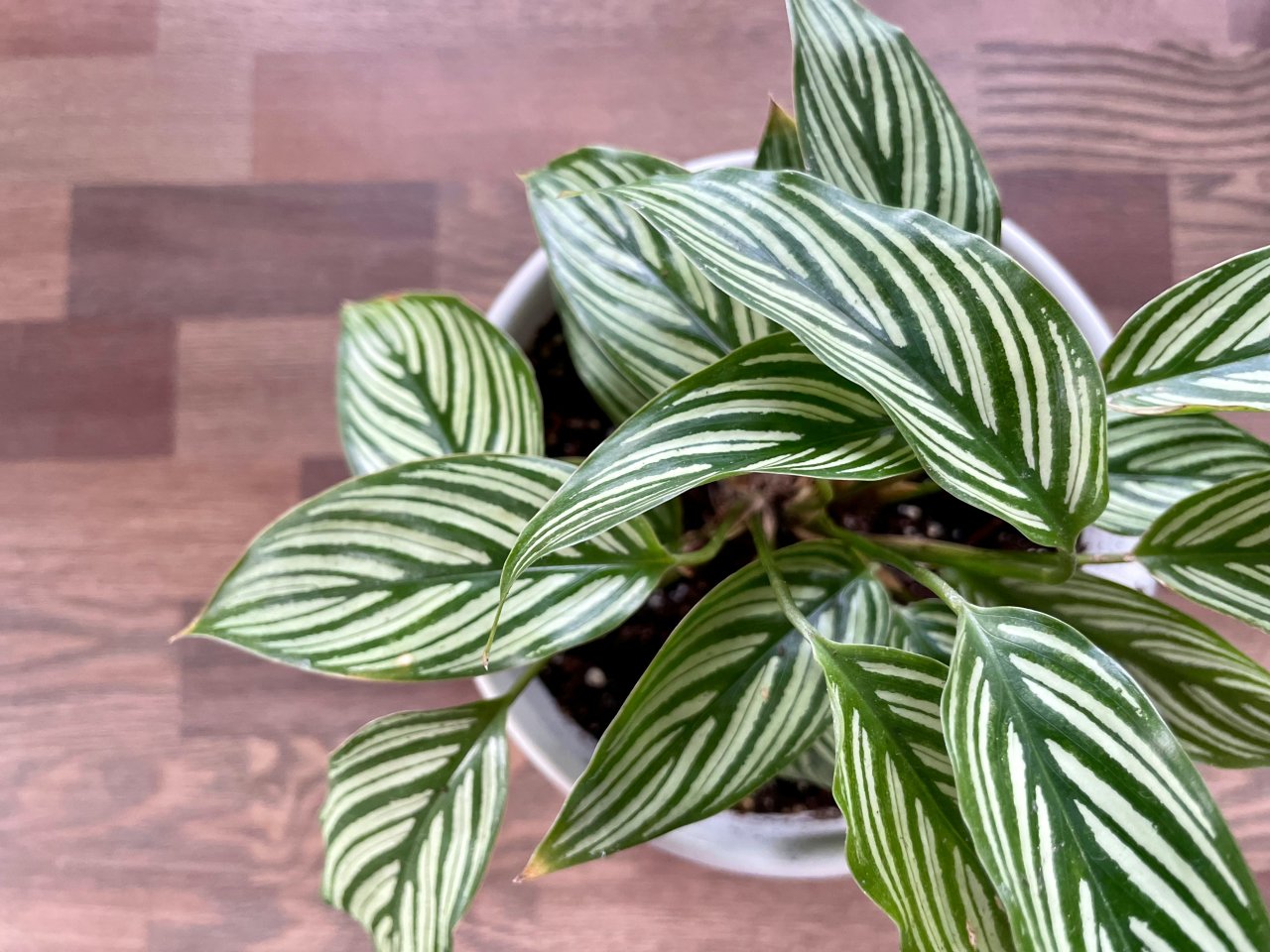
Calathea, often called the “prayer plant,” is famed for its unique leaf movements that fold at night, resembling hands in prayer. Native to South America’s tropical forests, it carries spiritual and cultural significance, symbolizing mindfulness and devotion. Its vibrant patterns and bold colors made it a sought-after ornamental plant. Cultivated indoors, Calathea provides visual beauty while subtly connecting modern homes to the rhythms of nature and the cultural traditions from which it originates, offering both aesthetic and symbolic value.