
Frequent flyers understand that the journey begins long before a boarding pass is issued. Securing the ideal itinerary requires a blend of strategic planning and insider knowledge. Veteran travelers approach the booking process with a meticulous eye for detail, anticipating potential disruptions and maximizing value at every turn. Navigating the modern landscape of air travel demands more than just finding the cheapest fare. It involves a holistic evaluation of routes, schedules, and carrier reputations. Mastering these habits transforms an otherwise stressful process into an organized and highly rewarding endeavor.
Clear Browser Cookies And Caches

Savvy travelers know that airlines often track search behavior to monitor demand for specific seasonal routes. Repeatedly checking the same flight can sometimes trigger an artificial price increase based entirely on that perceived interest.
Clearing digital footprints ensures that booking platforms display the most accurate and baseline fares available at that exact moment. Using a private browsing window offers a reliable layer of protection against algorithmic price adjustments. This simple preliminary step guarantees absolute transparency before any financial commitment occurs and protects travel budgets quite effectively.
Compare Alternative Regional Airports

Major international hubs frequently charge premium landing fees that ultimately trickle down into the final passenger ticket price. Exploring secondary airports located just outside major city centers often reveals substantial savings for flexible passengers.
These smaller terminals typically process security checks much faster and experience far fewer systemic weather delays. Ground transportation costs from a regional location might increase slightly but the overall airfare discount usually compensates for that difference. Expanding the search radius provides a wider array of departure times and hidden daily flight deals.
Verify Layover Durations Carefully

Booking the shortest possible connection time seems appealing until a minor delay causes a missed flight. Seasoned flyers always analyze the specific layout and operational efficiency of the connecting airport before confirming their travel plans.
Navigating massive terminals or changing terminals entirely requires adequate time, especially when passing through customs on international routes. A layover of at least two hours serves as a reliable buffer against unforeseen logistical hurdles. Paying close attention to these transit windows ensures a calm journey rather than a frantic sprint across a crowded concourse.
Review Baggage Allowance Policies

Budget airlines advertise incredibly low base fares that quickly inflate once luggage fees are applied. Thoroughly reading the fine print regarding carry-on dimensions and checked bag weight limits prevents expensive surprises at the departure gate.
Different carriers enforce wildly varying rules about personal items and overhead bin access. Calculating the total cost of travel including necessary baggage often makes a standard economy ticket on a legacy airline the more economical choice. Experienced travelers factor these hidden operational costs into their initial budget comparisons before finalizing any purchase.
Cross-Reference Direct Airline Sites

Third-party travel aggregators excel at displaying a broad overview of available routes across multiple carriers. However, booking exclusively through these platforms can complicate the resolution process if a cancellation or major schedule change occurs.
Going directly to the official airline website to finalize the transaction provides a direct line of communication for customer service issues. Direct bookings also guarantee that frequent flyer miles accrue properly and seat upgrade requests process smoothly. Taking this extra validation step establishes a secure contract directly with the chosen transportation provider.
Check Seat Maps For Availability
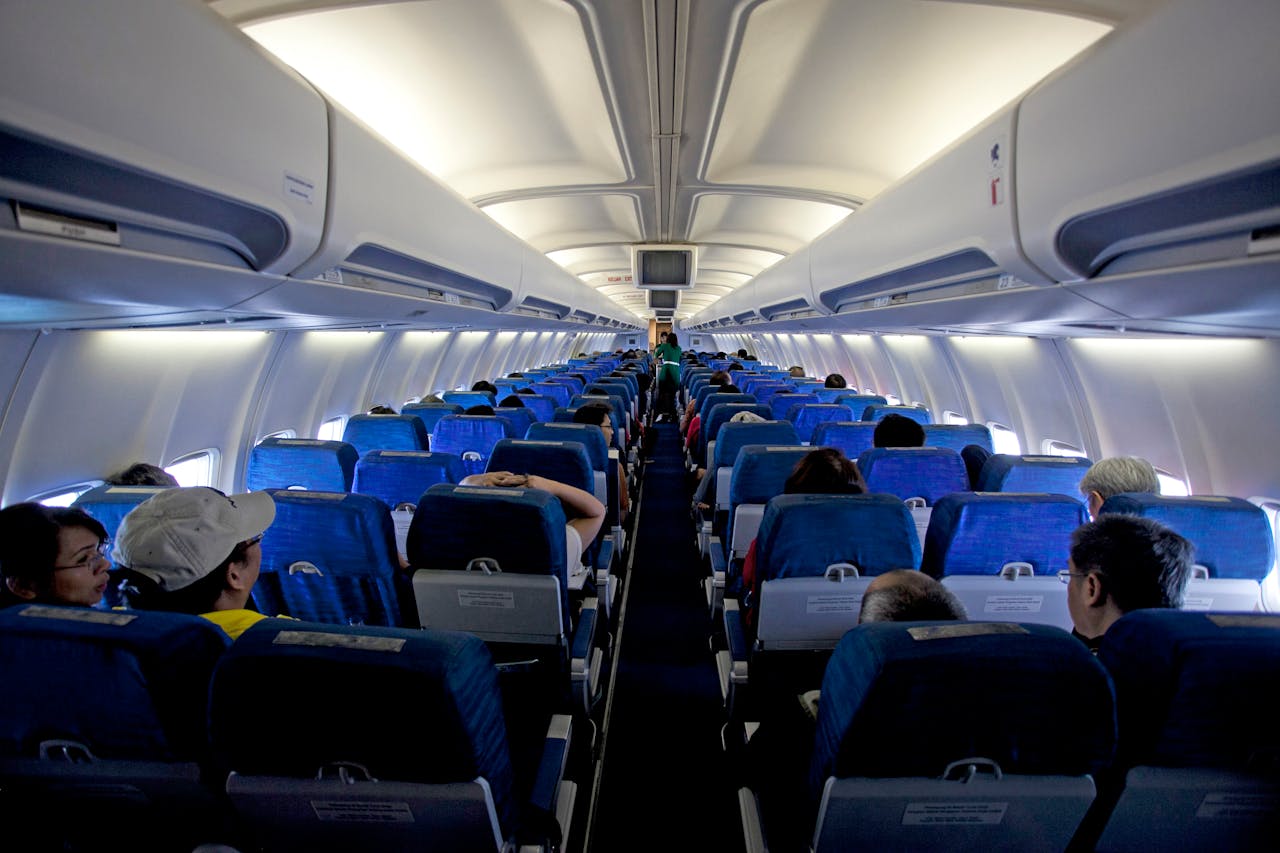
Securing a flight reservation without reviewing the current cabin layout often results in being assigned an undesirable middle seat. Performing a quick preview of the seating chart reveals whether a specific aircraft is already heavily overbooked.
Certain routes utilize older planes with restricted legroom or missing windows in specific rows. Evaluating the available inventory allows passengers to make an informed decision about paying for a premium cabin upgrade or selecting a different departure time. This proactive measure prevents hours of physical discomfort on lengthy transcontinental or international journeys.
Evaluate Travel Insurance Options

Relying entirely on the basic protection offered by credit cards leaves travelers highly vulnerable to massive medical expenses abroad. Comprehensive insurance policies cover complex scenarios like severe illness, lost baggage, or sudden trip interruptions.
Evaluating different coverage tiers guarantees that specific needs are met without overpaying for unnecessary blanket policies. Frequent flyers read policy exclusions meticulously to understand exactly what weather events qualify for an official claim. Securing this essential financial safety net delivers profound peace of mind before the plane ever leaves the runway.
Confirm Passport And Visa Validity

Discovering an expired passport just days before an international departure creates an incredibly stressful and costly crisis. Most foreign nations mandate that travel documents remain valid for at least six months beyond the final date of return.
Overlooking specific entry requirements or delayed visa processing times regularly results in passengers being denied boarding at the origin gate. Verifying these documents well in advance affords ample time for necessary government renewals or embassy appointments. This administrative check remains an absolutely non-negotiable step for anyone crossing international borders.
Track Historical Pricing Trends

Purchasing a ticket without understanding the seasonal price fluctuations for a specific destination often leads to severe buyer’s remorse. Setting up fare alerts weeks ahead of a planned trip paints a clear picture of what constitutes a genuinely good deal.
Various analytical tools monitor historical data to predict whether airfares will likely rise or drop as the departure date approaches. Observing these specific patterns empowers consumers to strike precisely when the financial value peaks. Treating ticket acquisition as an informed investment guarantees that the final purchase price reflects true market reality.