

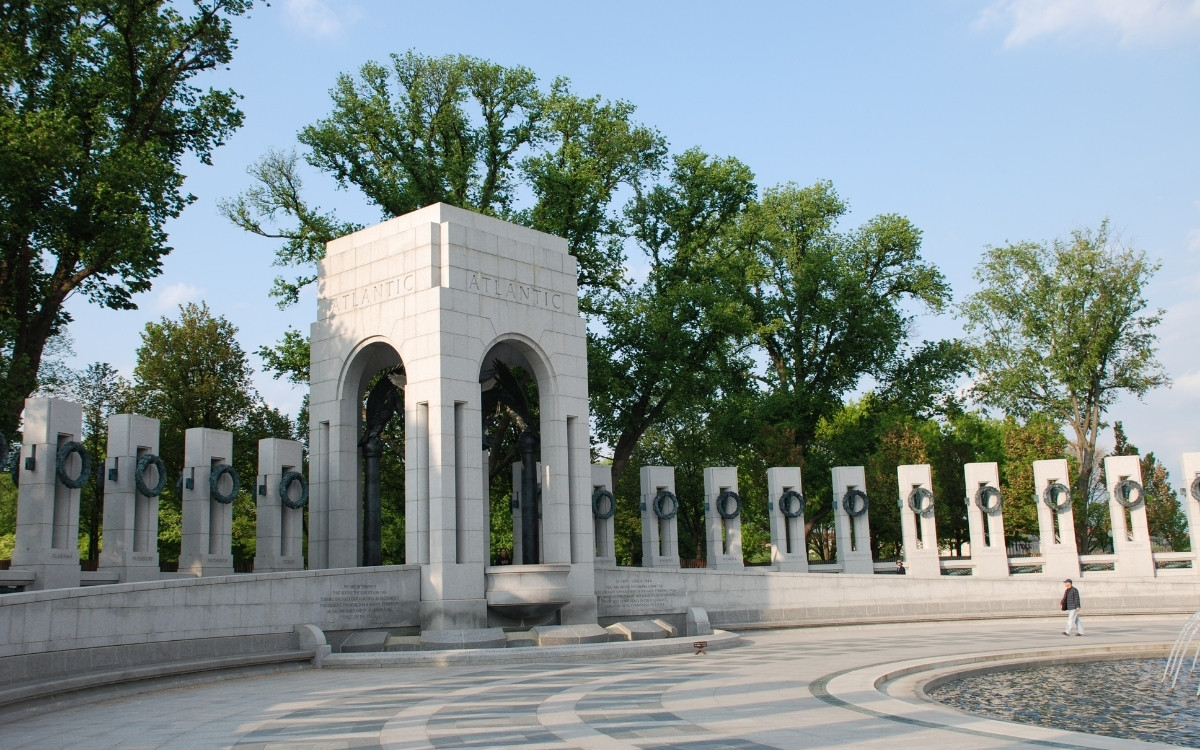
The Great Migration, spanning from 1910 to 1970, saw more than six million African Americans move from the rural South to urban centers across the North, Midwest, and West. This movement reshaped the nation’s demographics, economy, and culture. Cities became hubs of Black life, creativity, and political activism. From jazz in Chicago to civil rights organizing in Detroit, the impact was profound and long-lasting. Here are nine U.S. cities where the Great Migration left a lasting mark, transforming their identity and influencing generations to come.
1. Chicago, Illinois
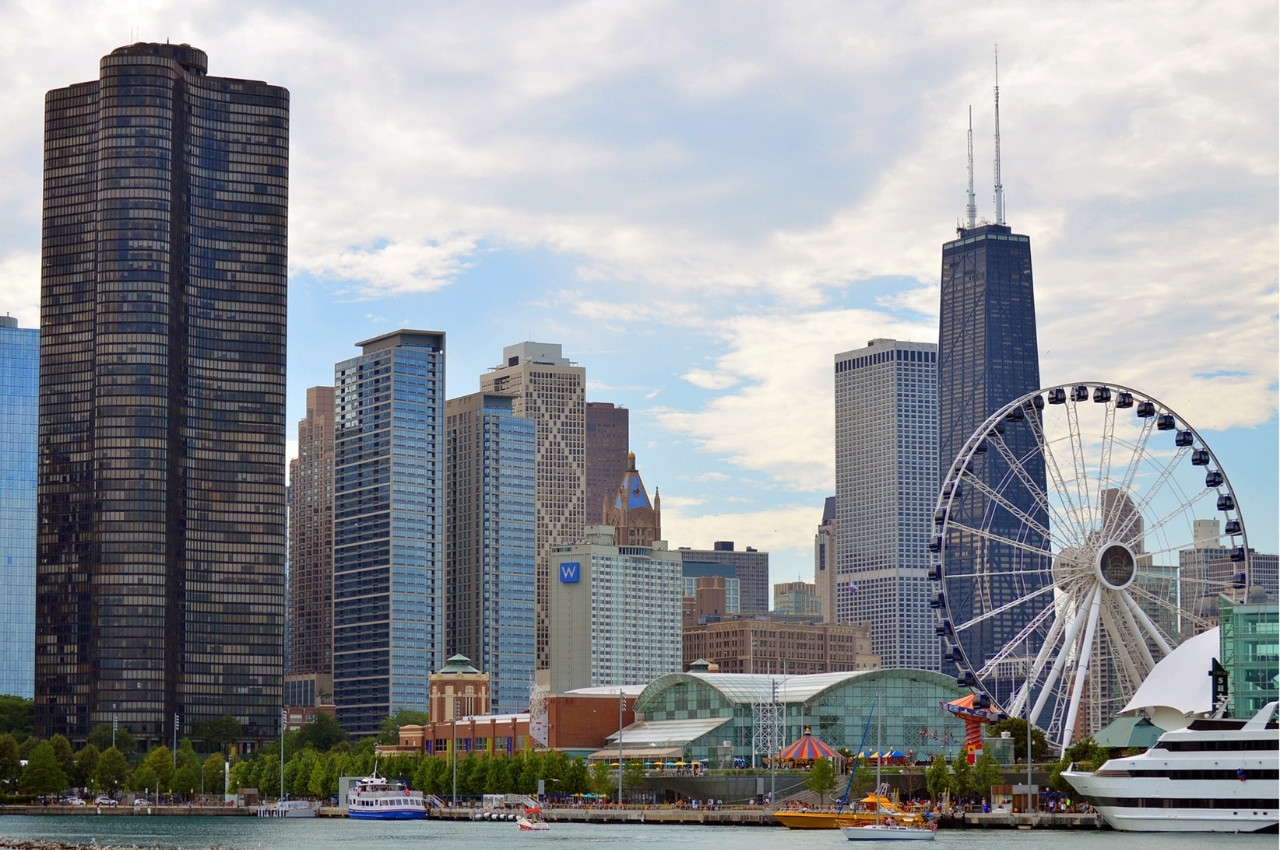
Chicago became a central destination during the Great Migration, with nearly half a million African Americans settling there by 1970. According to the Chicago History Museum, migrants contributed to the city’s industrial growth while creating vibrant neighborhoods like Bronzeville, known as the “Black Metropolis.” Chicago’s music scene flourished with blues and jazz, while political power grew through leaders like Harold Washington, the city’s first Black mayor. The migration reshaped the city’s cultural identity, leaving behind a rich legacy of arts, politics, and activism that still defines Chicago today.
2. Detroit, Michigan
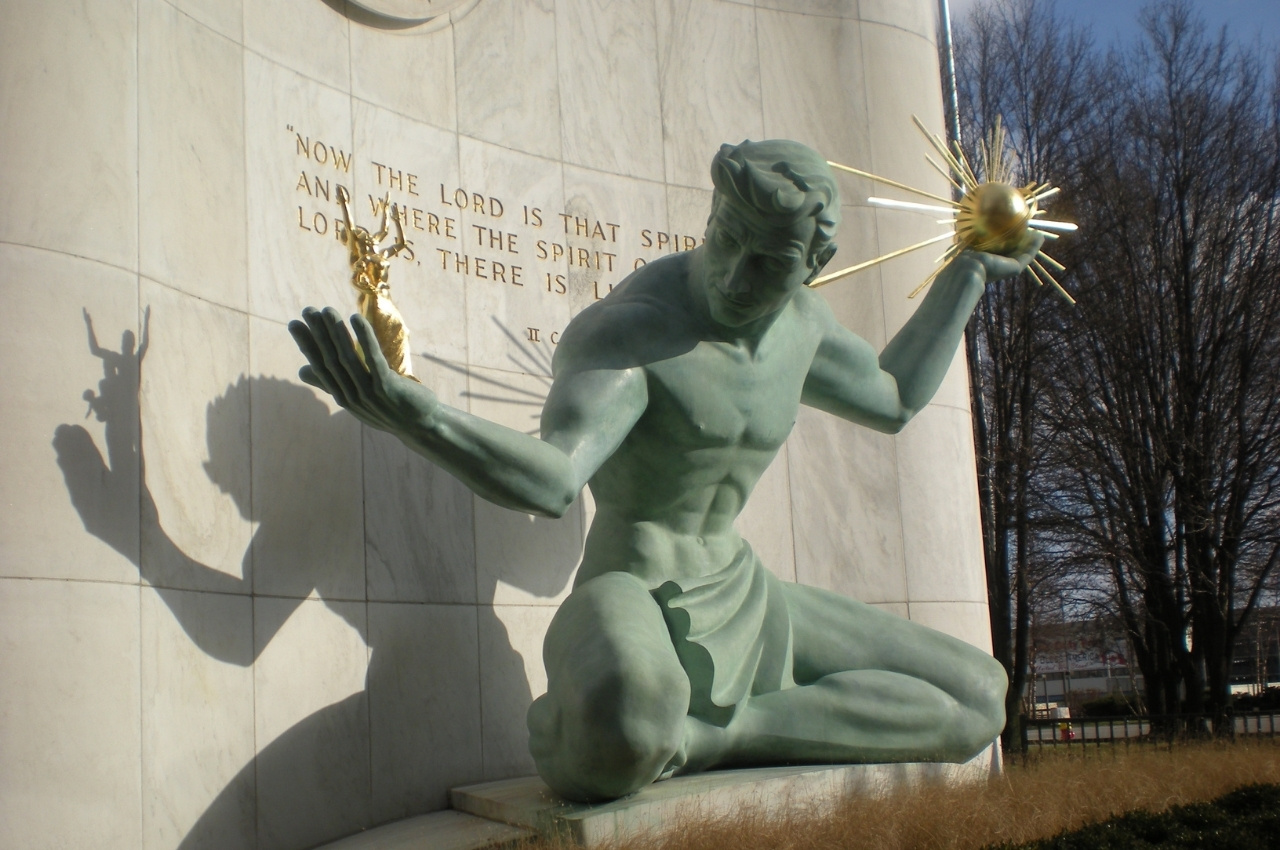
Detroit’s booming auto industry made it a prime destination for migrants seeking work. The Detroit Historical Society notes that African Americans moved into neighborhoods near factories, where they faced housing discrimination but built strong communities. The city became a center for Black labor activism, with figures like Walter Reuther working alongside Black union members for better conditions. Detroit also gave rise to Motown Records, founded in 1959, which showcased African American talent and reshaped global music. The Great Migration firmly established Detroit as a hub of Black culture and working-class strength.
3. New York City, New York
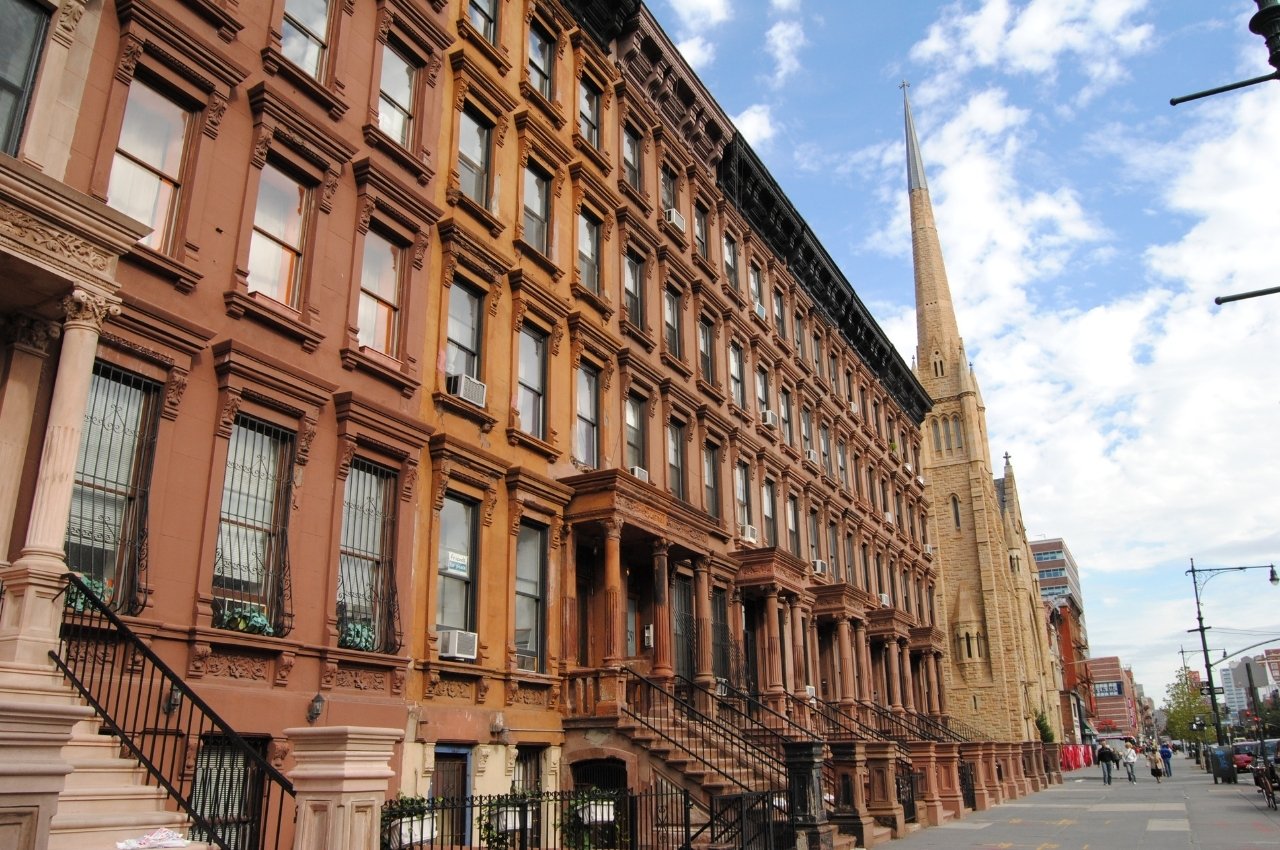
Harlem in New York City became the epicenter of Black cultural and intellectual life during the Great Migration. The New York Public Library highlights that the Harlem Renaissance of the 1920s emerged directly from the influx of African American talent. Writers like Langston Hughes and musicians like Duke Ellington transformed Harlem into a cultural powerhouse. The migration also reshaped labor markets, with migrants finding jobs in service and industrial sectors. Beyond culture, Harlem became a hub for civil rights organizing, cementing New York’s role as a vital center of African American life.
4. Philadelphia, Pennsylvania

Philadelphia saw a large increase in its African American population during the Great Migration, which revitalized neighborhoods like South Philadelphia. According to the Historical Society of Pennsylvania, the city became a hub for Black-owned businesses, churches, and civic organizations. Migrants brought Southern traditions while shaping the city’s music scene, particularly jazz and gospel. Philadelphia’s Black community also became active in civil rights, helping lay the groundwork for national movements. The migration not only reshaped the city’s demographics but also embedded African American culture into its political and social institutions for generations to come.
5. Cleveland, Ohio

Cleveland’s steel and manufacturing industries attracted tens of thousands of African Americans during the Great Migration. The Encyclopedia of Cleveland History notes that the Black population grew from under 9,000 in 1910 to nearly 250,000 by 1970. Migrants settled in neighborhoods like Hough and Glenville, where they created thriving cultural and religious institutions. Cleveland also became a center for Black political activism, electing Carl Stokes in 1967 as the first African American mayor of a major U.S. city. The migration transformed Cleveland into a powerful symbol of Black urban life and leadership.
6. Los Angeles, California
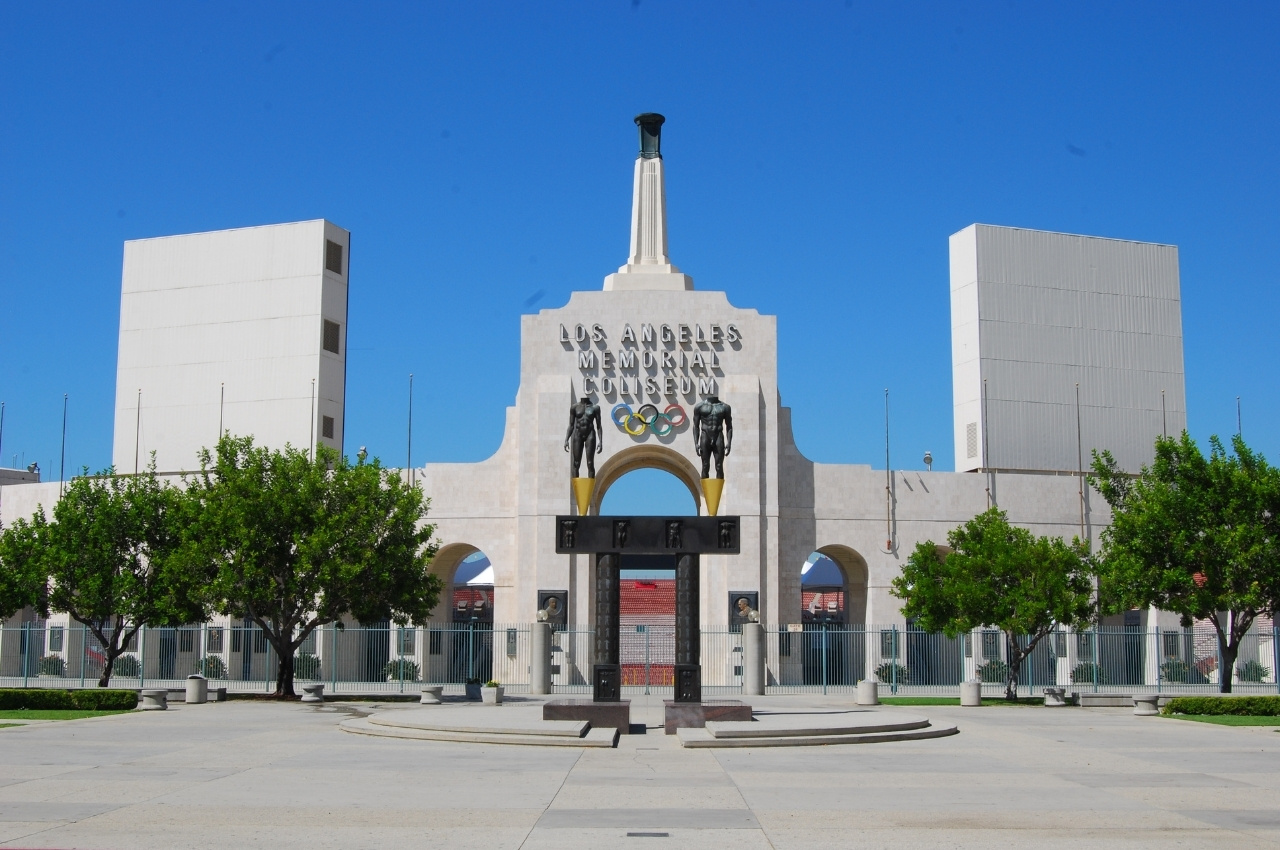
Los Angeles emerged as a key destination during the later waves of the Great Migration, particularly during World War II. According to the California African American Museum, migrants were drawn by defense industry jobs and opportunities in shipbuilding. Neighborhoods like Watts grew rapidly, developing strong cultural identities but also experiencing housing segregation. The migration contributed to Los Angeles becoming a major center for West Coast jazz and later hip-hop. The demographic changes shaped the city’s politics, culture, and economy, making it one of the most influential cities for African American life in the West.
7. Atlanta, Georgia

While many migrants left the South, Atlanta became a city where African Americans increasingly concentrated and thrived. The Atlanta History Center highlights how the city became a hub for Black colleges, business, and civil rights leadership. The Great Migration reinforced Atlanta’s role as the “Black Mecca,” fostering communities that produced leaders like Martin Luther King Jr. The migration also spurred the growth of neighborhoods such as Sweet Auburn, filled with Black-owned businesses and churches. Atlanta became both a destination for return migrants and a center of Black political, cultural, and educational influence.
8. St. Louis, Missouri

St. Louis was a significant stop for African Americans during the Great Migration, particularly those moving north along the Mississippi River. The Missouri Historical Society notes that migrants settled in areas like The Ville, which became a thriving hub of Black culture, education, and business. The city’s industrial jobs attracted workers, but housing segregation and racial tensions shaped their experiences. Despite challenges, St. Louis produced influential figures such as Josephine Baker and Tina Turner. The migration left a lasting imprint on the city’s cultural identity, solidifying it as a center of Black resilience and creativity.
9. Washington, D.C.
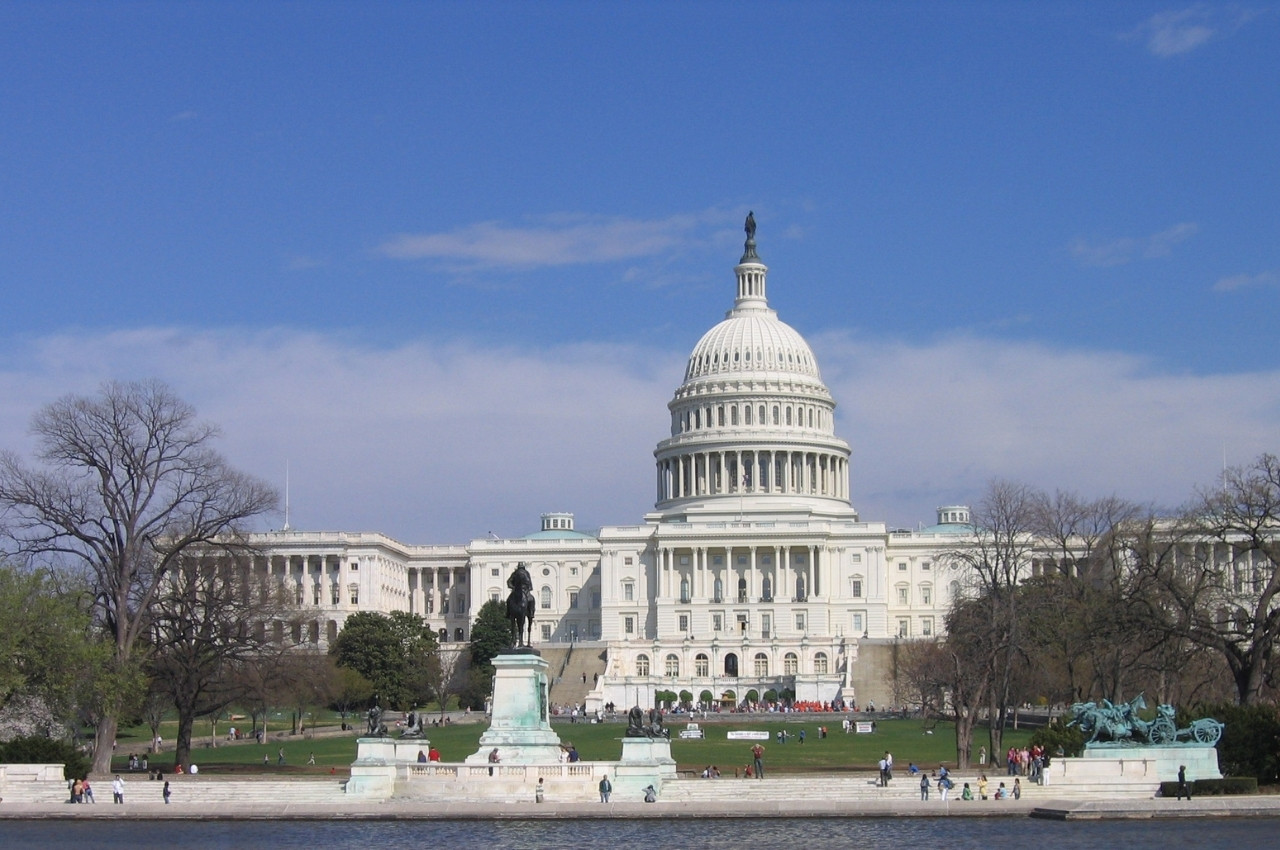
Washington, D.C. became a major hub for African Americans during the Great Migration, combining political influence with cultural growth. The DC History Center notes that the city’s Black population nearly doubled between 1910 and 1940. Neighborhoods like U Street flourished, earning the nickname “Black Broadway” for its jazz clubs and theaters. The city also became a hub for federal employment, offering stable jobs to many Black migrants. Washington’s combination of politics, music, and activism during the migration helped establish it as one of the most important centers of African American life in the nation.


