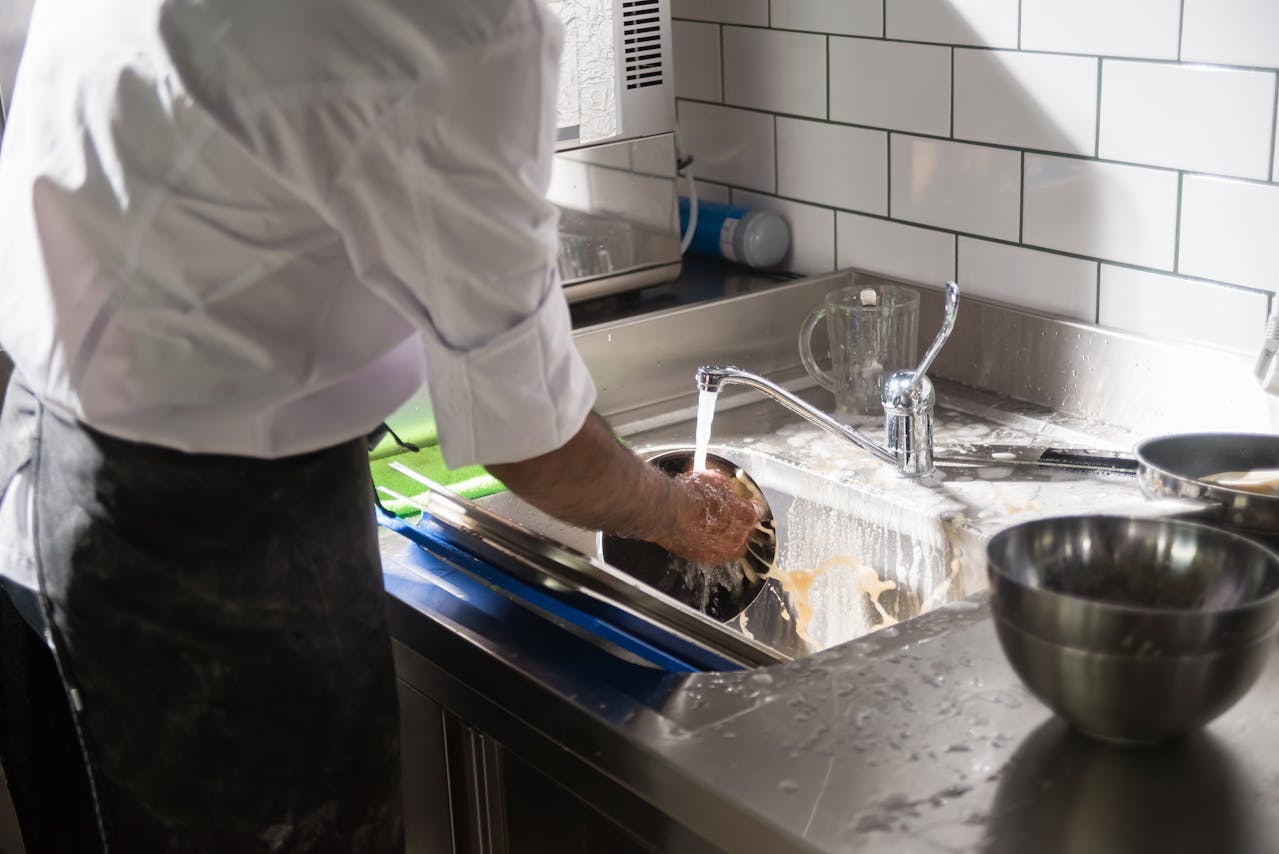
You might think that skipping the rinse during dishwashing saves time, but experts warn it can actually backfire. The British method often involves soaking and scrubbing with detergent, then letting dishes air-dry without a thorough rinse.
While this can look efficient, leftover soap residue or trapped grime can affect taste, hygiene, and even cause streaks on glassware. Understanding the risks and adjusting your habits can make a noticeable difference. From easy rinsing techniques to selecting the right tools, here’s what you need to know to keep your dishes sparkling clean and safe every time.
1. Why Skipping the Rinse Can Ruin Your Dishes
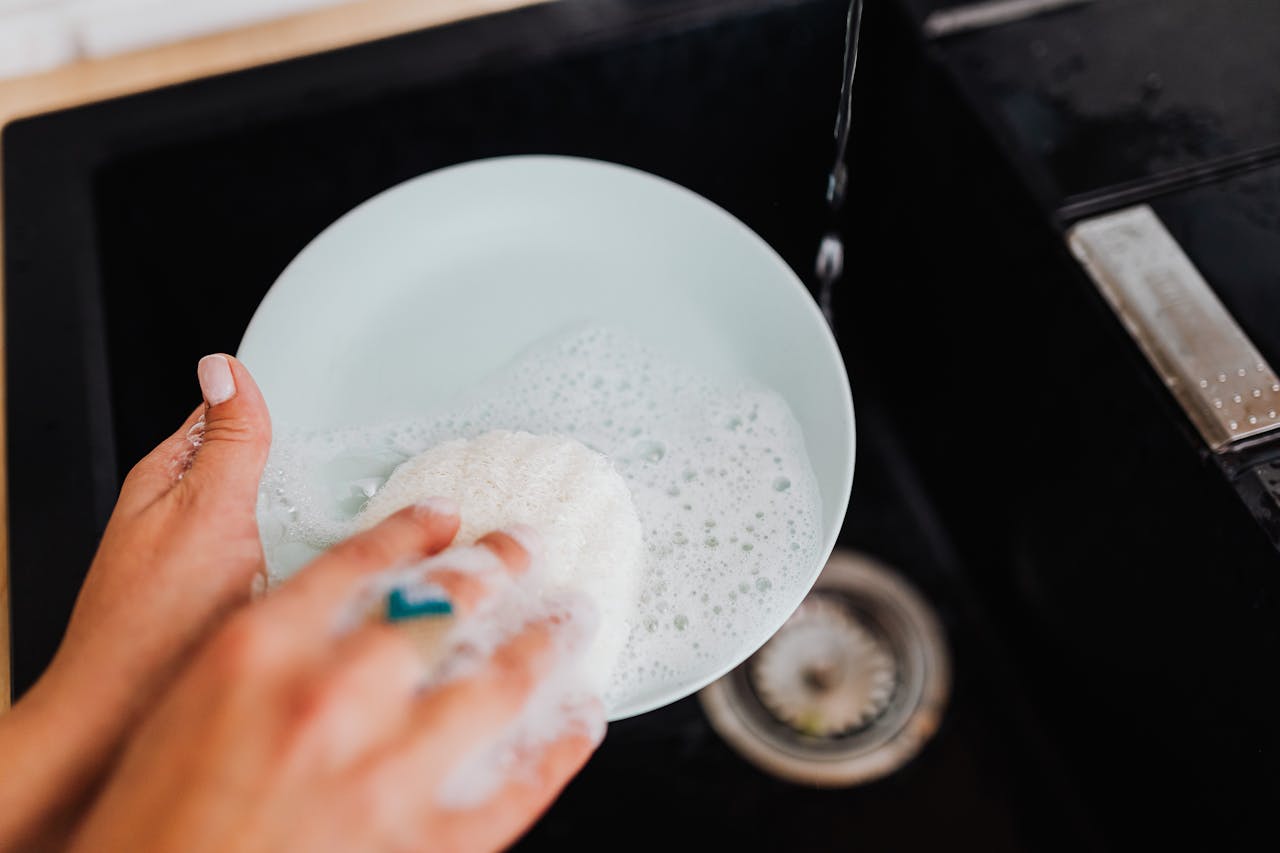
Leaving soap or detergent residue on dishes might seem harmless, but it can change the taste of your food and even affect your health over time. The residue can trap bacteria or allergens, especially on plates and bowls that contact acidic foods.
Over time, lingering soap films also cause cloudy glasses and a film on flatware that is hard to remove. By skipping this crucial step, you might save a minute or two per load, but the trade-off is noticeable every time you eat. Taking an extra moment to rinse thoroughly ensures both safety and a more enjoyable dining experience without any extra effort.
2. The British Dishwashing Method Explained
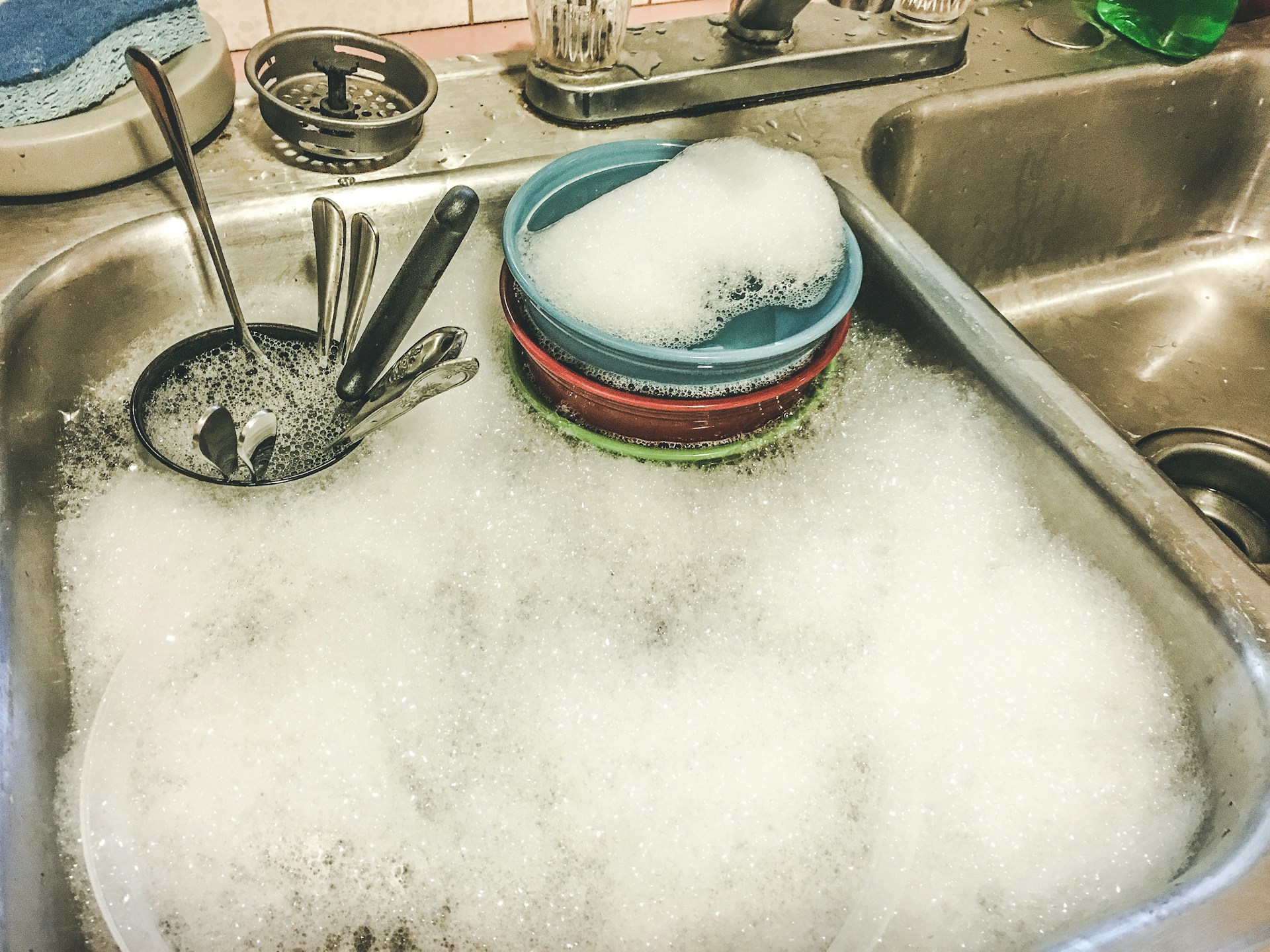
The traditional British approach often focuses on pre-soaking dishes, using concentrated detergent, and scrubbing thoroughly before placing items in a rack to air-dry. Rinsing is sometimes minimized because the detergent is thought to dissolve in water and air exposure will wash away remaining soap naturally over time.
While it works under certain conditions, the method can backfire in modern kitchens where residue builds up or water hardness affects detergent performance significantly. Understanding exactly how this technique works helps you adapt the steps safely while still saving time and effort.
3. Common Mistakes Americans Make with Wet Dishes
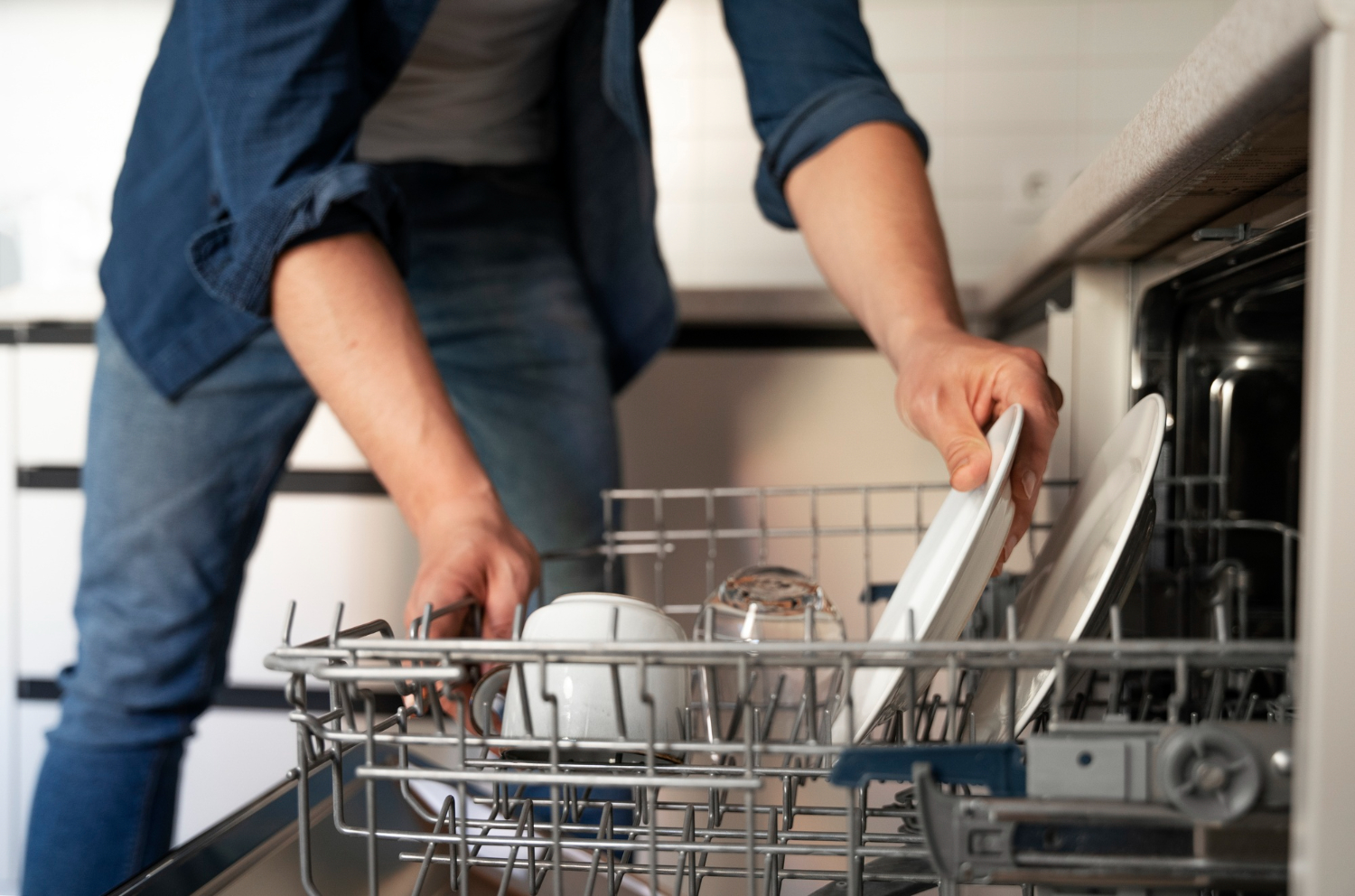
Many Americans assume a quick wash is enough, leaving dishes with excess soap or standing water that affects taste and hygiene. Others stack items in the dishwasher without proper spacing, preventing optimal drying. Skipping a rinse or using cold water worsens residue buildup and leaves a sticky film.
Even with a dishwasher, leaving dishes damp too long encourages bacteria growth and odors. By recognizing these pitfalls, you can adjust your routine to prevent lingering odors, sticky spots, and streaks. Small changes in spacing, water temperature, and rinsing improve both hygiene and appearance.
4. How Soap Residue Affects Taste and Health
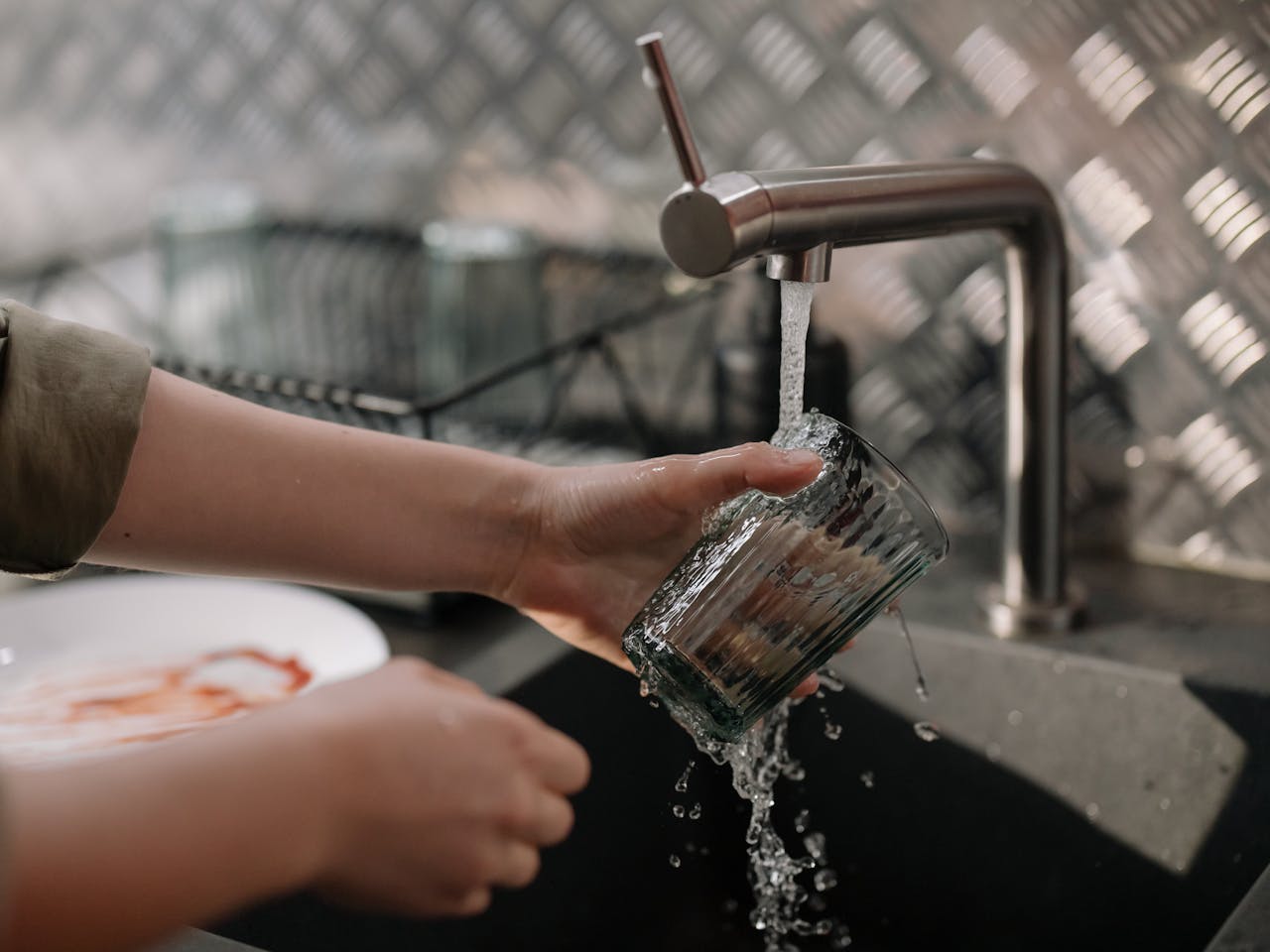
Soap residue can leave a chemical taste that diminishes the flavor of your meals, particularly on glasses and plates, and can be noticeable even with small amounts. For families with sensitive skin or allergies, leftover detergent can irritate skin or trigger reactions. Even a tiny amount may interact with acidic foods, subtly altering taste, smell, and appearance.
Ensuring a complete rinse removes these risks completely. By taking a few extra seconds for a proper rinse, you protect your family’s health and preserve the natural flavor of your food. Clean dishes should look, smell, and taste fresh every single time.
5. Easy Steps to Prevent Backfire in Your Routine
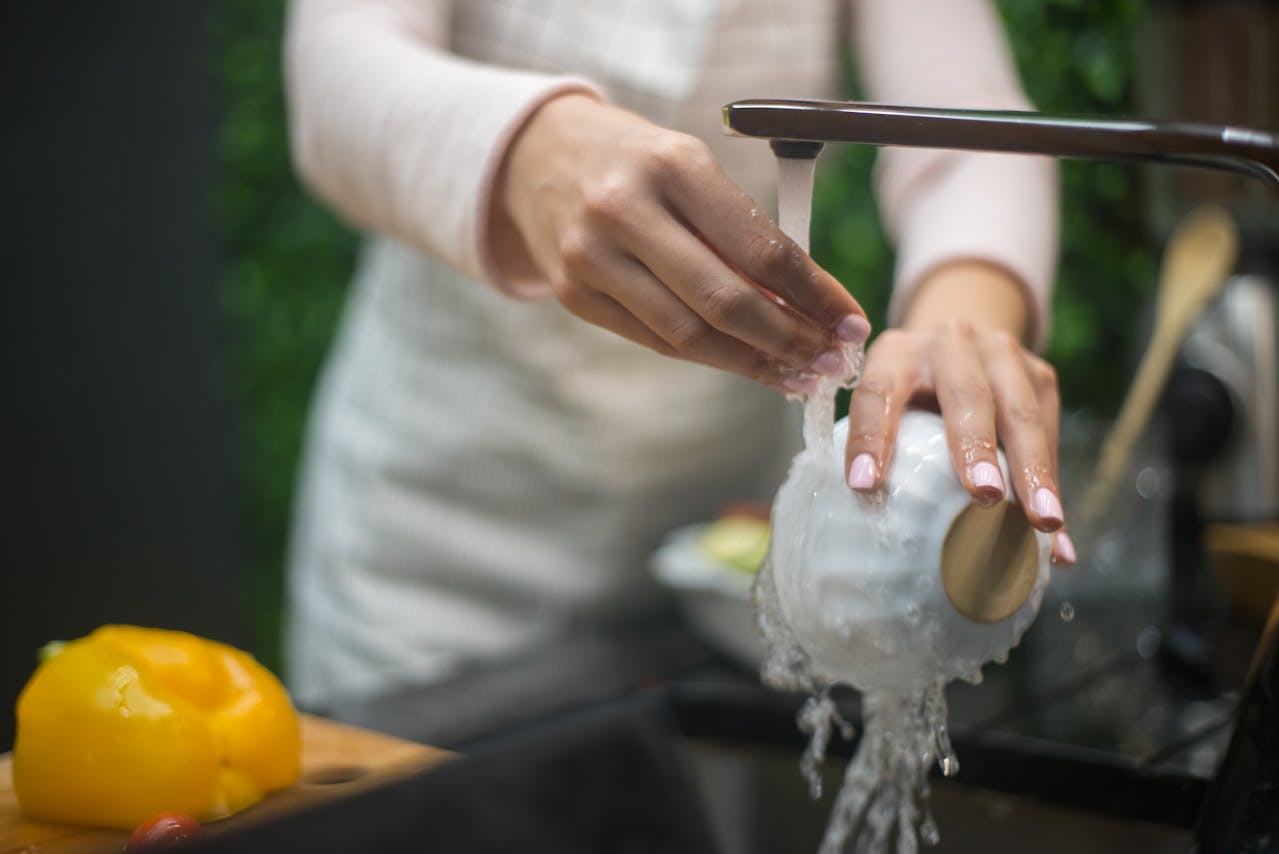
The simplest way to avoid issues is to rinse dishes thoroughly immediately after washing every single time without skipping a step. Use warm water to help dissolve detergent completely, and shake off excess liquid before placing items in a drying rack.
Pay special attention to cups, bowls, and utensils that trap soap and debris. Rotating sponges and cleaning brushes regularly also prevents bacterial buildup. By following these few steps consistently, you maintain sparkling dishes, prevent streaks, and reduce any risk of residue or odor, while keeping your kitchen routine simple, efficient, and stress-free.
6. When to Use Hot Water vs Cold Water
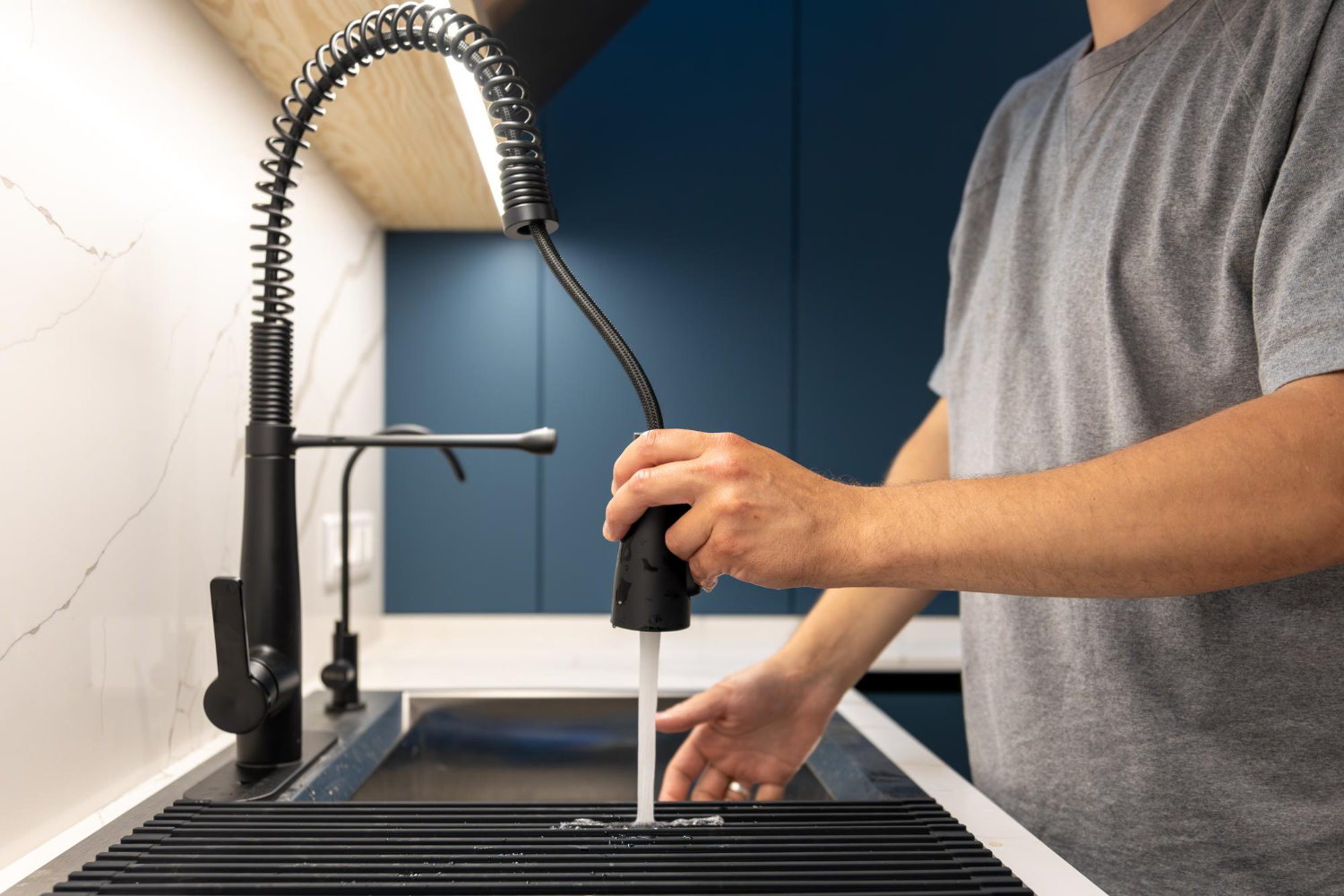
Hot water is ideal for removing grease and dissolved detergent, while cold water is better for rinsing delicate items or preventing glassware from clouding or becoming streaked. Using water at the right temperature helps ensure soap does not remain on surfaces and encourages faster drying.
Alternating temperatures strategically can save energy, protect fragile items, and make your routine more efficient. Understanding the role of water temperature in your dishwashing routine helps you prevent residue, maintain hygiene, and achieve consistently clean dishes without over-washing or damaging your kitchenware.
7. Tools That Make Rinsing Easier and Safer
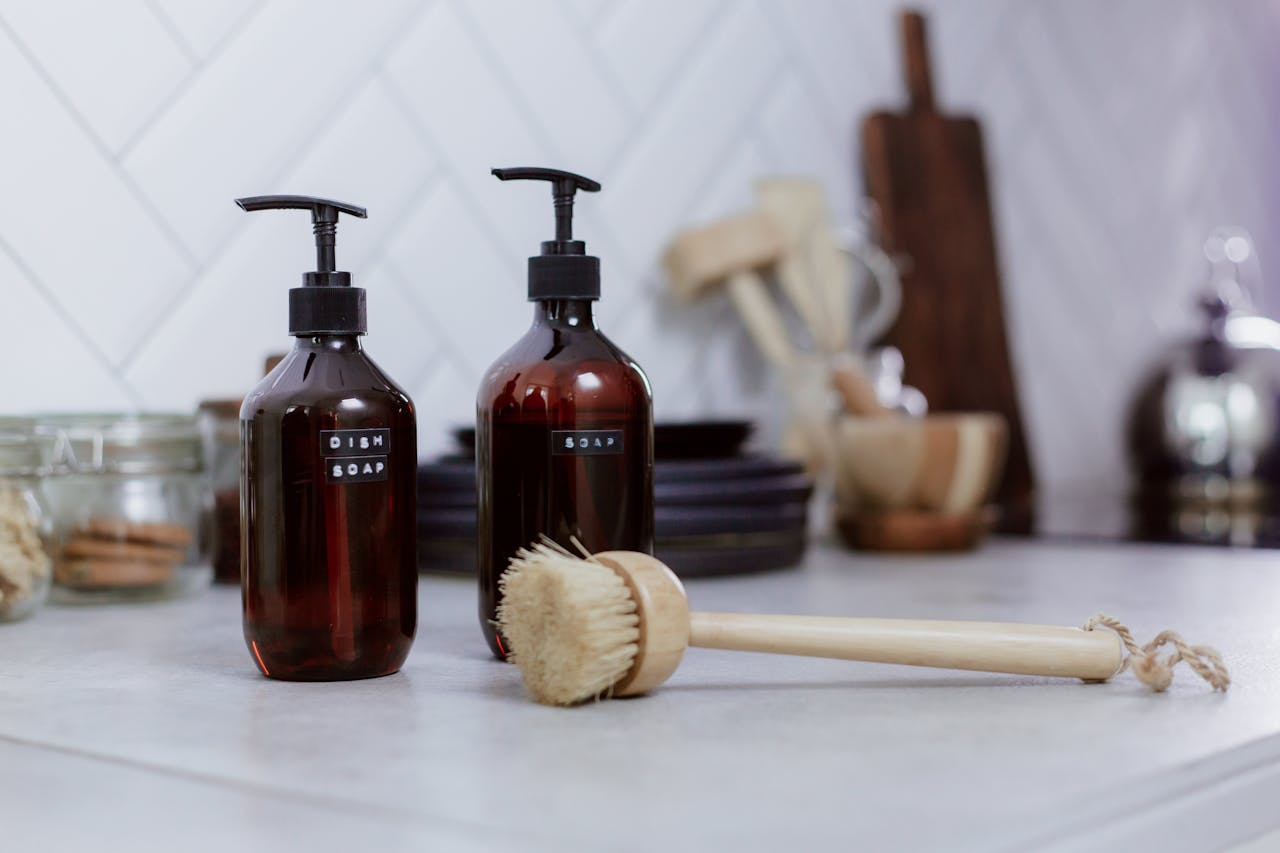
Certain tools simplify thorough rinsing and make your dishwashing routine much easier. A flexible dish brush with a built-in soap dispenser allows targeted cleaning, while a high-pressure spray nozzle helps remove leftover detergent completely. Silicone drying mats encourage proper airflow, reducing damp spots where bacteria can grow.
Mesh utensil holders prevent spoons and forks from trapping soap. Even small changes in your setup can make rinsing faster, more efficient, and more hygienic. Investing in these tools ensures every dish comes out clean, streak-free, and ready for use with minimal effort and worry.