A house can charm a buyer in minutes. The inspection can change that mood even faster.
Most deals do not wobble because of ugly paint or tired carpet. They wobble when hidden defects start pointing to big money, safety risk, or long-term neglect.
That is why home inspections feel so personal. Buyers are not just judging a property anymore, they are imagining the bills and stress that come with every serious note.
When several defects show up together, the report stops reading like a punch list. It starts sounding like a warning about what life in that house may actually cost.
Cracked Slabs That Change the Whole Conversation
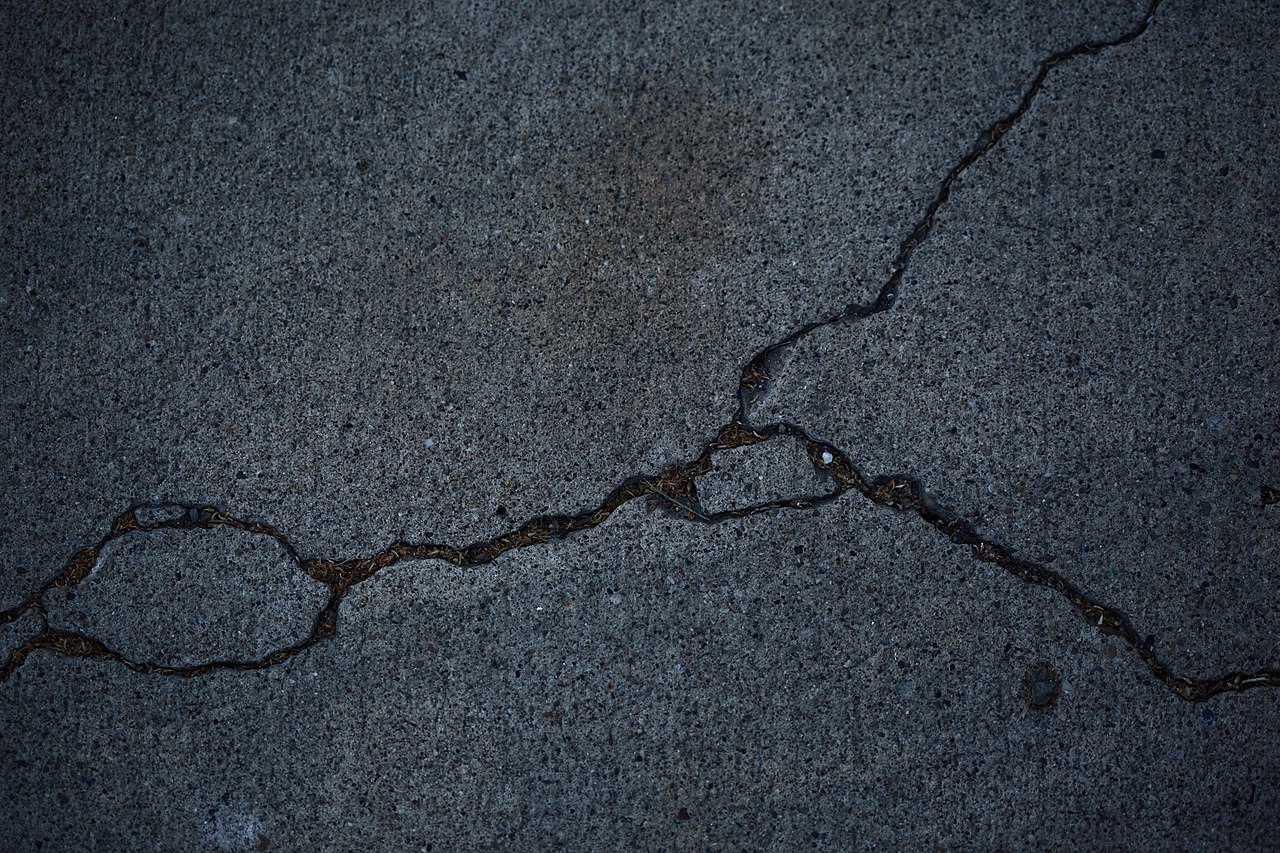
A crack in concrete does not automatically mean disaster. Plenty of slabs develop minor surface lines over time. The real question is whether the crack suggests movement, moisture, or structural stress.
Inspectors do not judge slab cracks in isolation. HUD standards connect foundation concerns with clues like unlevel floors and doors or windows that stop working properly. When those signs appear together, the crack becomes harder to dismiss.
Buyers get nervous when a crack runs long, looks wide, or creates a slight height difference underfoot. That kind of change feels less like harmless settling and more like something still shifting. It also hints that repairs may involve more than simple patching.
The important thing is perspective, not panic. Official HUD standards flag certain larger cracks as real deficiencies because structural integrity and safety can be affected. So a slab issue can absolutely move a deal from casual concern to serious negotiation.
Roof Damage That Spreads Trouble Fast
Roof problems scare buyers because water almost never damages just one thing. Once moisture gets in, the roof issue starts reaching insulation, wood, drywall, and sometimes air quality.
A house may show only a small stain, yet the real damage could be sitting above the ceiling line. The Department of Energy warns that improper attic ventilation allows moisture to build up. That moisture can cause mold, ruin insulation, and damage wood.
Patchwork repairs also raise suspicion. A patched area may show effort, but it can also suggest an old leak path that has returned more than once.
Attics often reveal the roof story better than shingles do. Wet insulation, warped wood, and moldy surfaces are all listed by DOE as signs of water intrusion. Once those signs appear, buyers know the issue may be older and wider than the seller admits.
A worn roof can also hit the budget before move-in even begins. Buyers do not just think about a future replacement, they think about what might already be damaged underneath.
Ventilation matters more than many buyers realize. DOE guidance makes clear that keeping an attic dry and well-ventilated helps avoid moisture problems and preserve durability. When ventilation is poor, even a roof that still looks decent from the curb can be aging badly from the inside.
This is why roof notes land so hard in an inspection report. They hint at present damage and future cost at the same time.
What really sinks confidence is uncertainty. If buyers cannot tell whether the roof issue is old, active, or repeated, they start assuming the repair bill may grow after closing. That is when a beautiful home starts feeling like a gamble.
Water Stains That Rarely Tell the Full Story

A ceiling mark or warped baseboard is rarely the whole problem. It is usually just the visible part of moisture that has already traveled through hidden areas.
EPA guidance is blunt on this point. Moisture control is the key to mold control, which means a cleaned-up stain means very little if the water source was never fixed. Buyers know that, and it makes them wary.
Water damage also has a way of weakening trust. Fresh paint over an old stain may make a room look tidy for a showing, but it can make an inspection report feel even worse. It suggests someone cared more about appearance than the actual cause.
Once moisture signs appear in several areas, the story changes fast. A house with damp corners, soft materials, and stale air stops feeling like a cosmetic project and starts feeling like an ongoing building problem. That is exactly why water findings derail so many deals.
Electrical Issues That Feel Unsafe Immediately
Electrical defects hit buyers differently than most inspection notes. They do not just sound expensive, they sound dangerous.
The CPSC guide to home wiring hazards says electrical problems can cause fires or electrical shock. It also stresses that electrical systems wear out over time like other parts of the home. That is why outdated panels and messy wiring get taken so seriously.
A general inspection may spot scorched components, loose connections, or amateur-looking changes at the panel. Even if the lights work fine during a tour, those warning signs tell a more important story.
Buyers also worry when a house has clearly been upgraded cosmetically but not electrically. A fresh kitchen feels less impressive when the wiring behind it may be old or overloaded. That mismatch creates immediate doubt about what else was updated halfway.
The fear grows because most electrical trouble is hidden. People can see cracked tile or peeling paint, but they cannot see what is happening inside finished walls.
CPSC guidance specifically frames electrical defects as problems for qualified professionals to assess and repair. That matters because buyers know a home inspector may only be identifying symptoms, not the full extent of the issue. A small note can therefore lead to a bigger specialist bill.
Once one electrical problem appears, buyers start mentally expanding the list. They wonder about grounding, overloaded circuits, unsafe outlets, and previous DIY fixes.
That is why electrical findings can cool a deal in one afternoon. People may negotiate around worn flooring, but they hesitate when a report suggests fire risk or hidden wiring trouble. The emotional drop is immediate because safety feels non-negotiable.
Plumbing Problems That Quietly Get Expensive
Plumbing defects are sneaky because they often stay out of sight until the inspection forces a closer look. A house can appear spotless while small leaks are already damaging cabinets, subfloors, or wall cavities.
EPA WaterSense guidance notes that leak detection tools can help reduce damage from leaks in homes. That matters because hidden plumbing leaks do not just waste water, they can quietly build repair costs over time. Buyers know a slow leak today can mean a swollen floor tomorrow.
Water heaters often become part of the same conversation. DOE says proper maintenance matters and that many water heaters typically last about 10 to 15 years. So an older unit with rust, odd noise, or weak performance can feel like one more cost waiting in line.
The bigger issue is pattern. If weak pressure, old piping, active drips, and an aging water heater show up in the same report, buyers stop seeing a few separate annoyances. They start seeing a plumbing system that may be nearing a much more expensive chapter.
Mold and Crawl Space Trouble That Kills Confidence
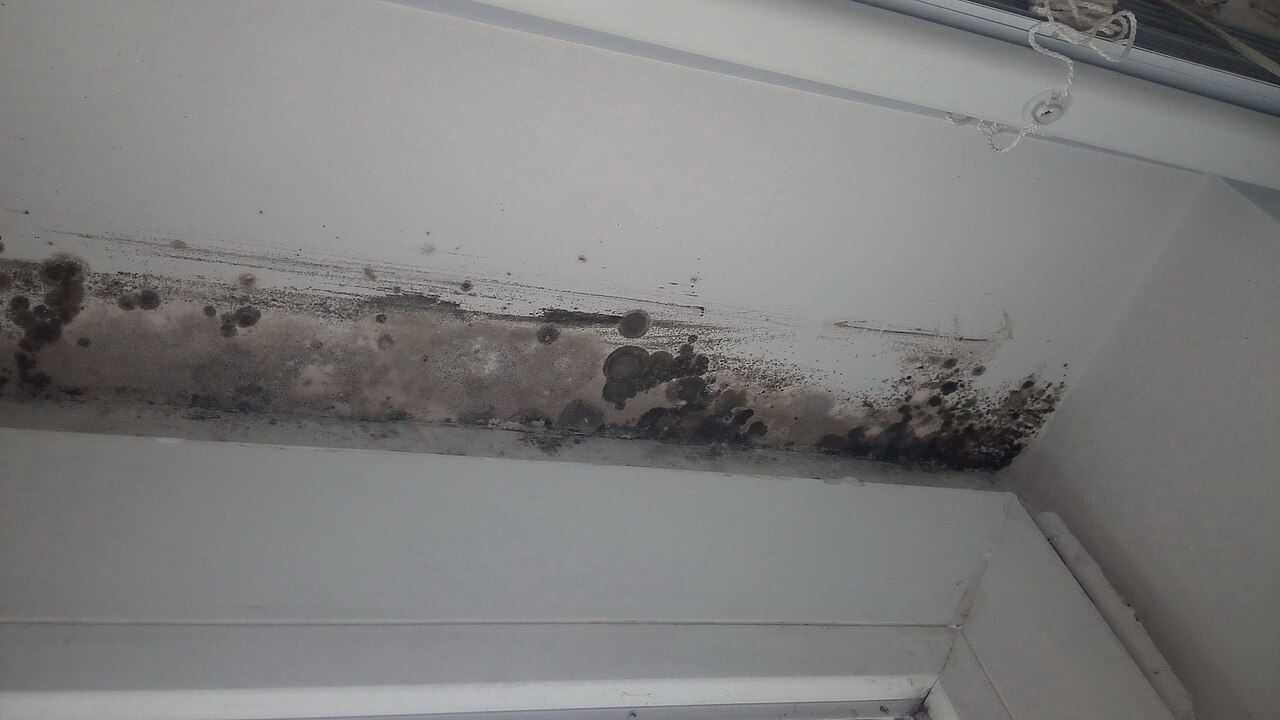
Crawl spaces tell the truth in a way staged living rooms never do. If the area under the house is damp, stale, or visibly moldy, buyers immediately wonder what else they have not seen yet.
EPA explains that mold will not grow without moisture. It also says mold can produce allergens and cause health problems. That is why visible growth and musty air hit buyers on both the structural and personal level.
Damp insulation, stained framing, and standing water make the problem feel active instead of historical. Buyers do not care much whether the mold is in a glamorous room or a forgotten crawl space. They care that the house has not controlled moisture properly.
The smell matters almost as much as the sight. A heavy musty odor makes the issue feel immediate, and it makes buyers imagine living with it every day. That emotional reaction can be stronger than the repair quote itself.
Moisture below the house can also point upward. If the crawl space is wet, buyers start wondering about flooring, framing, insulation, and indoor air on the main level.
HUD standards also treat foundation water infiltration as something worth identifying. Signs like excessive dampness, collected water, stains, or mineral deposits are not random quirks in that framework. They are clues that the structure may deteriorate if the condition continues.
Mold cleanup alone does not reassure serious buyers. They want to know whether the source of the moisture was solved, because EPA guidance makes clear that mold control begins with moisture control.
That is why crawl space findings are so damaging in negotiations. They make buyers feel like the house is failing in a place they will rarely see but constantly live with. Once that feeling sets in, price cuts do not always save the deal.
Sticky Doors and Sloping Floors That Hint at Movement
A sticky door may sound minor during a showing. Inside an inspection report, it can suddenly feel like part of a structural pattern.
HUD inspection language explicitly pairs foundation concerns with signs such as doors and windows that do not function properly and floors that are unlevel. That does not mean every stubborn door equals foundation failure, but it does mean inspectors take the pattern seriously. Buyers do too.
Sloping floors create the same kind of tension. Even a subtle tilt can make people wonder whether they are seeing ordinary age, weakened framing, or movement that has never really stopped. The uncertainty is what unsettles them most.
When floor slope, slab cracks, and misaligned openings all appear together, the house starts telling one story instead of three separate ones. That is the moment buyers stop asking whether the home is charming and start asking whether it is stable.
Patchwork Repairs and Missing Clarity
Some inspection bombs are not dramatic on their own. What rattles buyers is the feeling that a house has been repaired in pieces without a clear plan.
A patched ceiling beside old moisture stains, a replaced breaker near messy wiring, or a fixed crack next to sticking doors creates a trust problem. Each item may look manageable alone. Together, they suggest the home has a history of symptoms that may have been treated more than the causes were solved.
Buyers can handle honest imperfections. They struggle more with uncertainty and incomplete explanations. That is why vague repair histories often feel worse than clearly documented work.
This is especially true when several systems show stress at once. A home does not need a collapsed wall to lose buyer confidence. It only needs enough scattered warning signs to make future surprises feel likely.
Inspection reports also change how buyers read cosmetic updates. Fresh paint and polished finishes can stop feeling appealing once they appear next to structural, moisture, or electrical concerns. The upgrades start to look like camouflage instead of care.
That does not mean every repaired home is a bad buy. Many houses have flaws that were properly fixed and responsibly documented. The problem is that buyers need enough evidence to separate a resolved issue from a repeating one.
In the end, inspection bombs do not destroy deals because homes must be perfect. They destroy deals when the report makes the future feel murky, expensive, or unsafe. That emotional shift is often stronger than the defect itself.
That is the hidden power of a good inspection. It turns scattered clues into a readable pattern, and it gives buyers a clearer view of risk before they sign. Sometimes that means negotiating harder, and sometimes it means walking away with their sanity still intact.