Air travel once came with small rituals of restraint, even when cabins were crowded and nerves wore thin.
Now, many crews say the pressure starts before takeoff, with tension already simmering at the gate.
Flight attendants are not describing one dramatic shift so much as a steady erosion of everyday courtesy.
What used to be occasional bad behavior now shows up in small, grinding ways on nearly every route.
The trouble is not only louder arguments or headline-making incidents, though those still rattle entire flights.
It is the daily drip of impatience, mess, entitlement, and defiance that leaves crews mentally drained.
Much of it happens in plain sight, often over simple requests that once barely registered as issues.
From boarding to landing, crews say the cabin has become a tighter space with thinner social limits.
Boarding Has Turned Into A Contact Sport
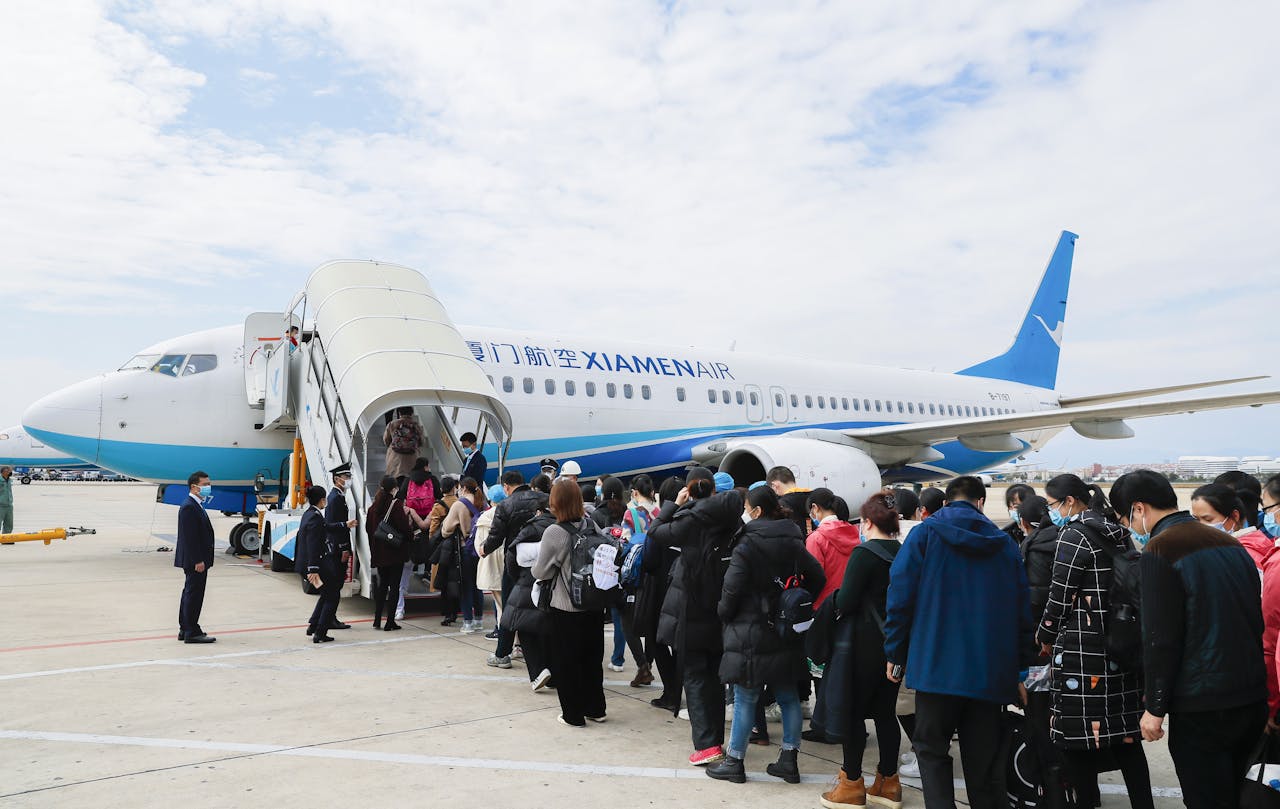
Some passengers now rush the gate before their zone is called, then act offended when asked to step back.
That early scramble slows everyone down. It clogs the aisle and starts the flight with needless friction.
Crews say the mood can sour fast when travelers treat basic order like a personal inconvenience.
Before bags are even stowed, attendants may be calming tempers. The welcome gets replaced by crowd control.
Phone Etiquette Keeps Breaking Down
One of the most common complaints is simple: people no longer seem embarrassed to play sound out loud.
Cabins fill with videos, games, and speakerphone calls that force strangers into someone else’s digital bubble.
Even brief reminders about headphones can trigger eye rolls, muttering, or open arguments with crew.
Attendants say the issue is not only noise but the refusal to notice other people sharing the same air.
Red-eye flights can be the worst, when exhausted travelers try to sleep and one screen lights up the row.
What should be an easy correction often becomes a test of ego, with crew stuck in the middle.
That friction drains time from safety checks, drink service, and the dozens of small jobs already stacking up.
It also leaves quieter passengers frustrated, since they followed the rules and still lose the peace they paid for.
Personal Space Has Become Negotiable
Seat boundaries used to be understood, even if nobody loved the shrinking legroom or the battle for armrests.
Now crews report more disputes over knees in aisles, feet near other seats, and elbows that never move back.
Some travelers spread across shared space the moment they sit down, as if proximity erases basic limits.
Others recline abruptly during meals, yank seats forward and back, or demand swaps with open resentment.
These are not always explosive conflicts, but they can create hours of low-grade hostility across a packed cabin.
Attendants then become referees for problems that start with manners and quickly harden into policy disputes.
Once shared space stops feeling shared, even a routine flight can turn row after row into quiet hostility.
Cabin Crew Are Treated Like Personal Staff
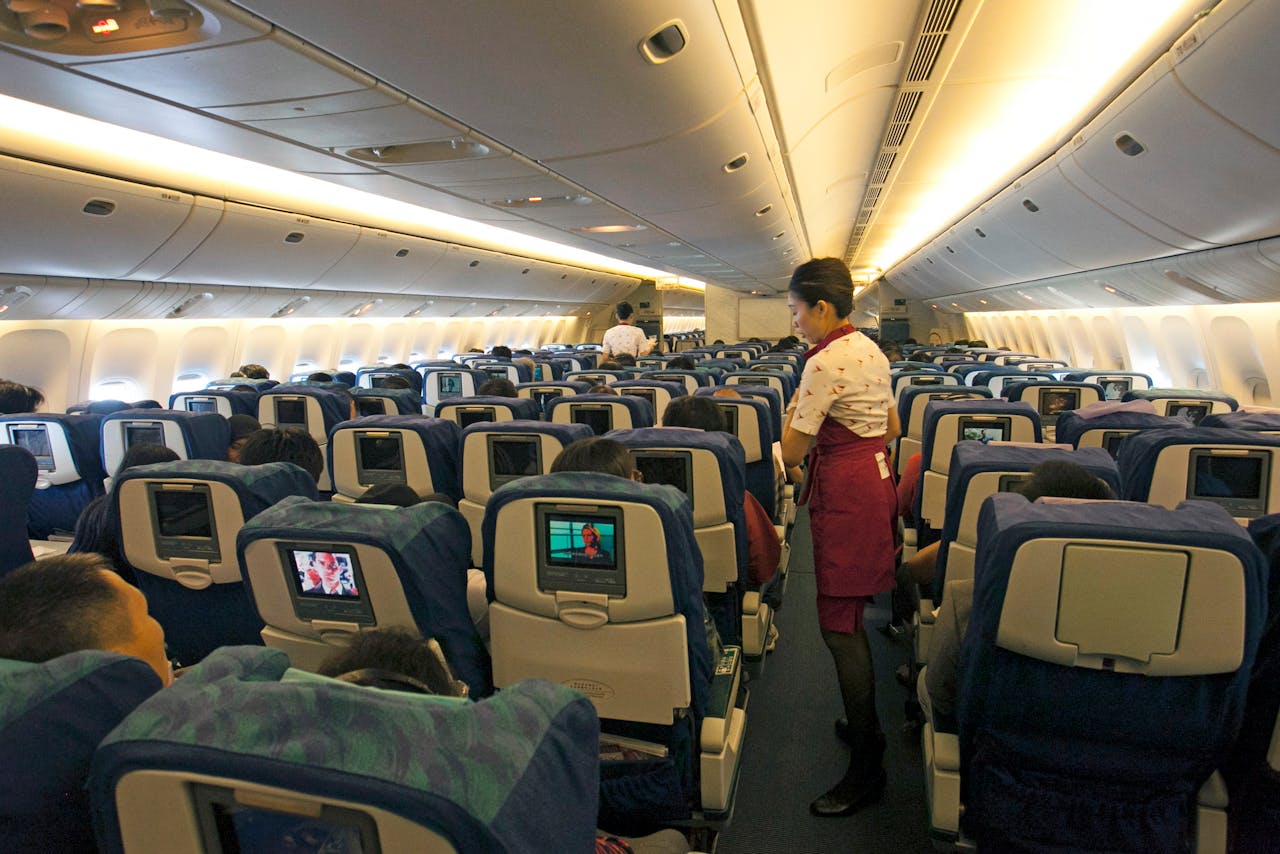
Many attendants say the tone has changed. Requests now land more like commands than ordinary questions.
Passengers snap fingers, interrupt safety duties, or speak as if service exists outside the realities of flight.
Some ask for impossible things and then react poorly when the answer is no, delayed, or limited.
A full cart in turbulence, a missing meal choice, or a bathroom line can suddenly become a personal insult.
Crew members are trained to stay calm, but constant disrespect wears down even polished professionals.
Trash And Hygiene Standards Keep Sliding
Attendants say some cabins are left looking less like public transport and more like abandoned break rooms.
Used tissues, snack wrappers, half-finished drinks, and diapers sometimes get shoved into seat pockets or on floors.
Mess creates more than disgust. It slows cleaning teams and shortens turnaround time for the next flight.
It can also create hygiene problems for other passengers and extra work for crews already moving fast.
Small acts matter here, because dozens of careless choices can turn one cabin into a miserable workspace.
What shocks crews most is not the mess itself but how casually some travelers leave it behind.
Rules Now Feel Optional To Too Many People
Simple instructions once got quick compliance, but attendants say more passengers now test every boundary first.
Seat belts and tray tables should be easy asks. Instead, some reminders turn into drawn-out arguments.
Some travelers treat safety announcements as background noise until a crew member addresses them face to face.
When every reminder becomes a negotiation, the cabin loses rhythm. Safety depends on that rhythm holding.
Drinking Problems Surface Faster In The Air
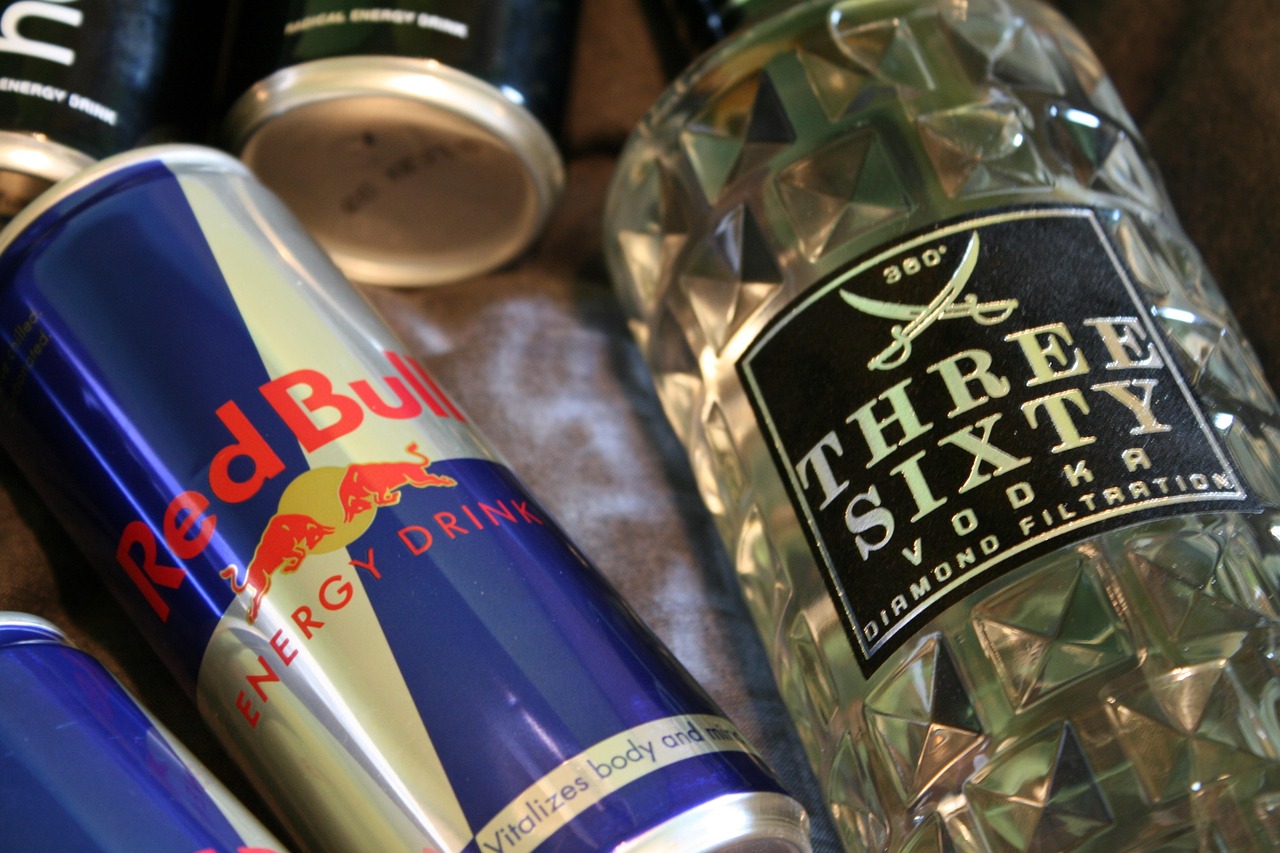
Alcohol has always complicated flights, but crews say impatience and intoxication now combine more quickly.
Some passengers board irritated, keep drinking, then tip from rude into disruptive before the flight is halfway done.
That shift can force attendants to deny service, monitor behavior closely, and protect the rest of the cabin.
Landing Brings One Last Rush Of Selfishness
Even after repeated announcements, some travelers jump up the second the wheels touch the ground.
Bins fly open and aisles jam instantly. Rows that should move smoothly become another contest to cut ahead.
Crews say that final burst of impatience captures the larger problem: too many people now treat delay as injustice.
When courtesy vanishes at the very end, the trip leaves a bitter finish. Shared travel starts feeling like survival.