

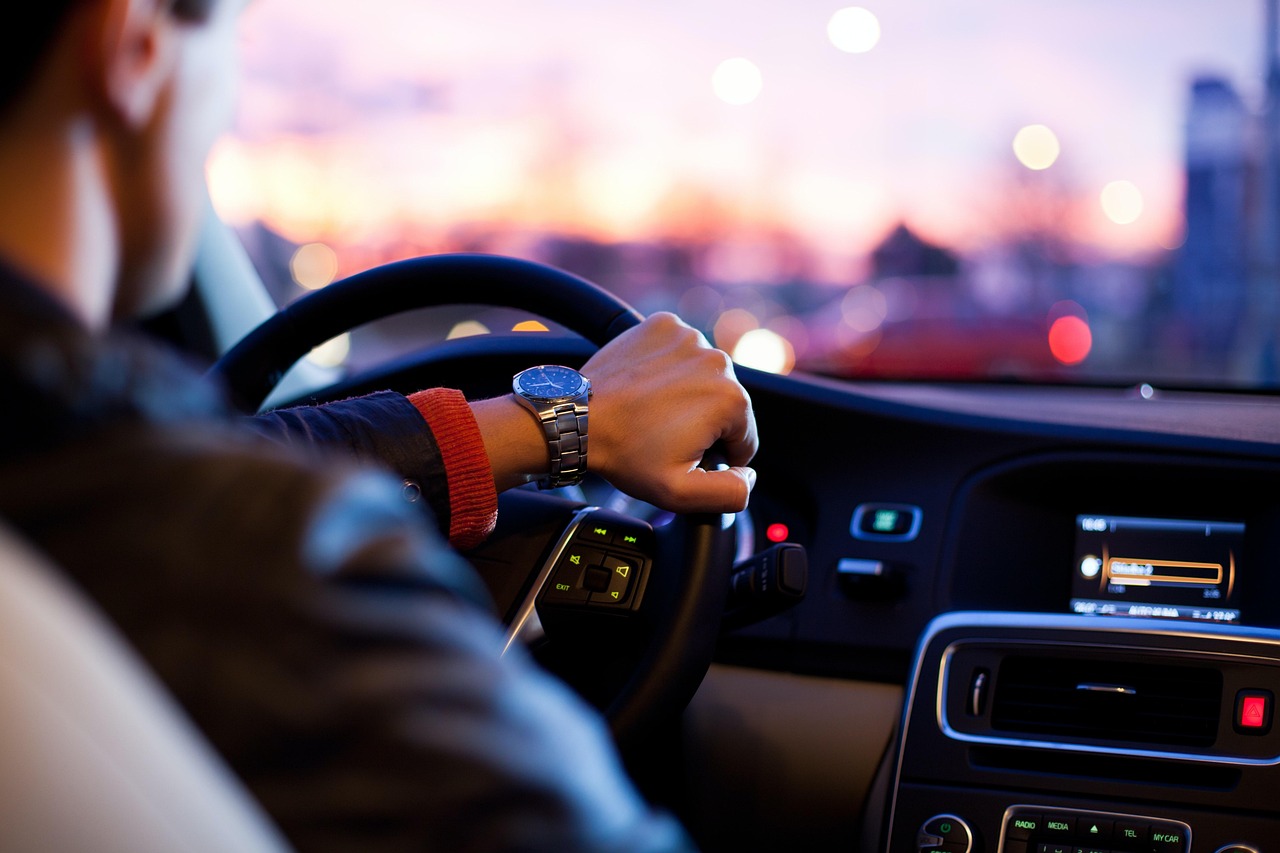
Driving today feels completely different than it did a decade ago. The roads have shifted.
Modern cars are essentially rolling computers now. You touch screens more than the wheel.
Traffic patterns changed permanently after recent global events. Rush hour is unpredictable.
Electric vehicles were rare novelties back then. Today they sit at every major intersection.
Navigation apps completely rewired our brains. Nobody remembers how to get anywhere alone.
Drivers seem far more distracted behind the wheel. Smartphones steal attention constantly.
The sheer cost of owning a vehicle skyrocketed recently. Insurance premiums drain your bank.
We simply move through our world differently now. The open road has a completely new rhythm.
The Rise of Giant Screens

Massive infotainment displays dominate modern vehicle interiors like glowing television sets.
Physical buttons vanished from dashboards rapidly. Drivers must tap glass to adjust the air.
This major design shift forces you to take your eyes off the highway for basic adjustments.
Older cars offered simple tactile feedback instead. You could just feel the volume dial turn.
The Electric Vehicle Boom
Spotting a battery powered car used to be notable. Now they fill up suburban grocery lots.
Charging stations replaced parking spaces everywhere. Range anxiety is slowly fading away.
Instant torque makes these silent machines very quick. Merging onto the freeway feels easy.
Traditional gas stations look increasingly dated alongside sleek new supercharger locations.
We slowly adapted to the hum of electric motors. Engine noise is becoming less common today.
Government incentives pushed many buyers toward green options. The market changed entirely.
Mechanics are learning completely new skills to service these massive rolling battery banks.
The quiet streets of our neighborhoods reflect this shift. Transportation has evolved deeply.
Always Connected Vehicles
Ten years ago your car was an isolated metal box. Today it maintains a constant connection.
Software updates happen magically while you sleep. Your vehicle might improve by the morning.
Live traffic data routes you around sudden accidents before you even see the flashing lights.
Dealerships can diagnose engine problems remotely now. The privacy implications are massive.
Music streams directly through built in cellular data. Physical media is a distant memory.
This constant link creates incredible convenience at the cost of your personal driving data.
Automakers know exactly where you travel every day. Anonymity on the road is entirely gone.
The Distraction Epidemic
People struggle to focus solely on the road ahead. Notifications pull our attention constantly.
Texting while driving became a deadly national habit. Everyone looks down at their laps now.
Modern safety systems try to compensate for our terrible collective lack of basic attention.
Lane assist features gently nudge wandering cars back. Automatic braking stops disasters daily.
Driving requires intense mental presence that many tired commuters simply fail to provide now.
Changing Traffic Patterns
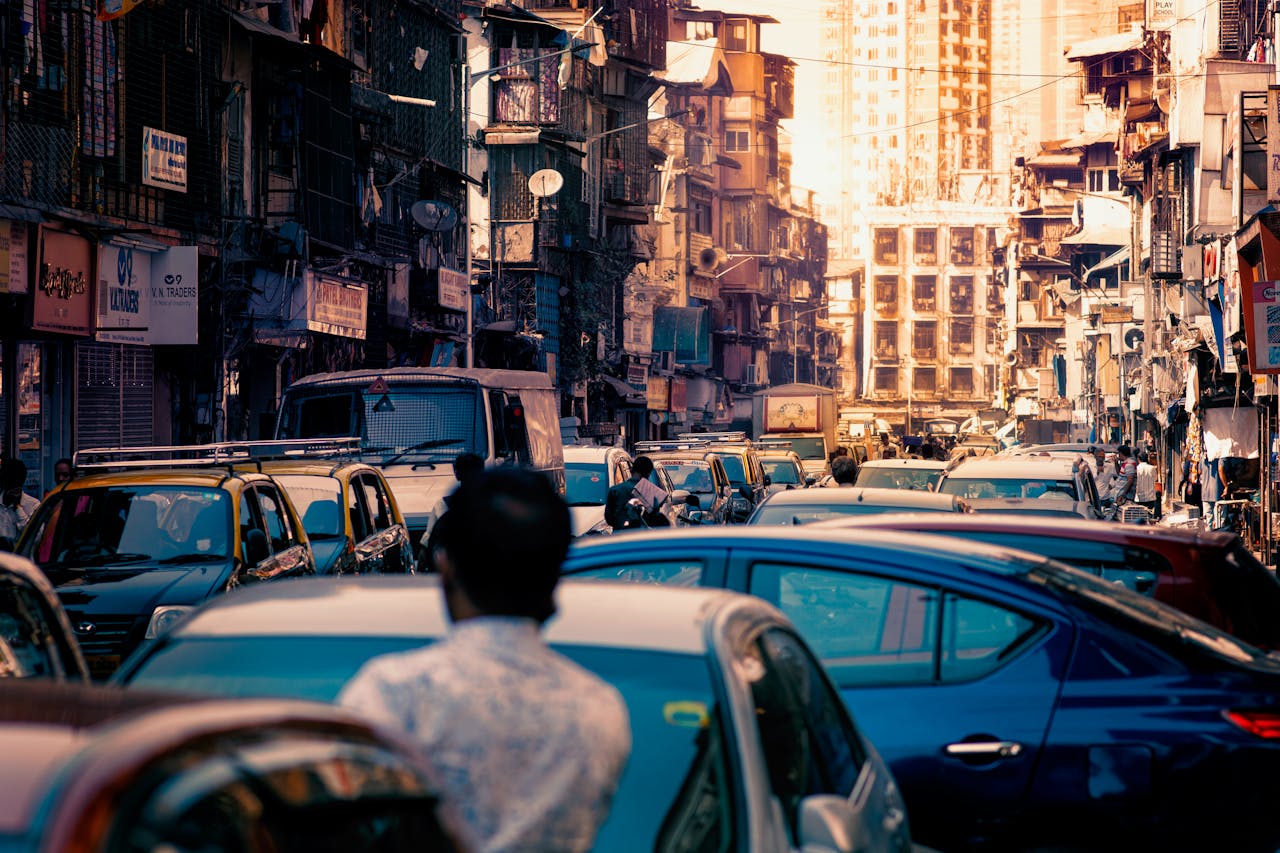
Remote work altered the traditional morning commute. Highways look different on most Tuesdays.
Rush hour spread out across the entire afternoon. Traffic jams happen at weird times of day.
Delivery drivers swarm residential streets continuously to drop off countless daily packages.
Urban centers redesigned roads to include bike lanes. Car lanes narrowed to slow things down.
Highway construction projects seem to last for decades. Orange cones line every major bypass.
Navigating a major city requires navigating a complex maze of constantly shifting road closures.
The High Cost of Driving
Purchasing a reliable vehicle requires a massive financial commitment in the modern economy.
Used car prices jumped significantly in recent years. Finding a cheap starter car is difficult.
Insurance rates climb higher every single time you renew your policy regardless of your record.
Repair costs multiplied due to complex onboard sensors. A tiny fender bender ruins your budget.
Navigating Without Thinking
Paper maps disappeared from glove compartments entirely. GPS guides our every single decision.
We blindly follow digital voices down strange back roads. Spatial awareness is rapidly dropping.
Taking a wrong turn used to lead to a genuine adventure rather than an immediate route recalculation.
The Future of the Road

Fully autonomous vehicles remain perpetually five years away. Testing continues in select cities.
We are currently living in a strange transitional period between human control and robot logic.
The physical act of steering a heavy machine feels different. Our trust in computers has grown.
Driving slowly transformed from an expression of personal freedom into a purely automated chore.


