

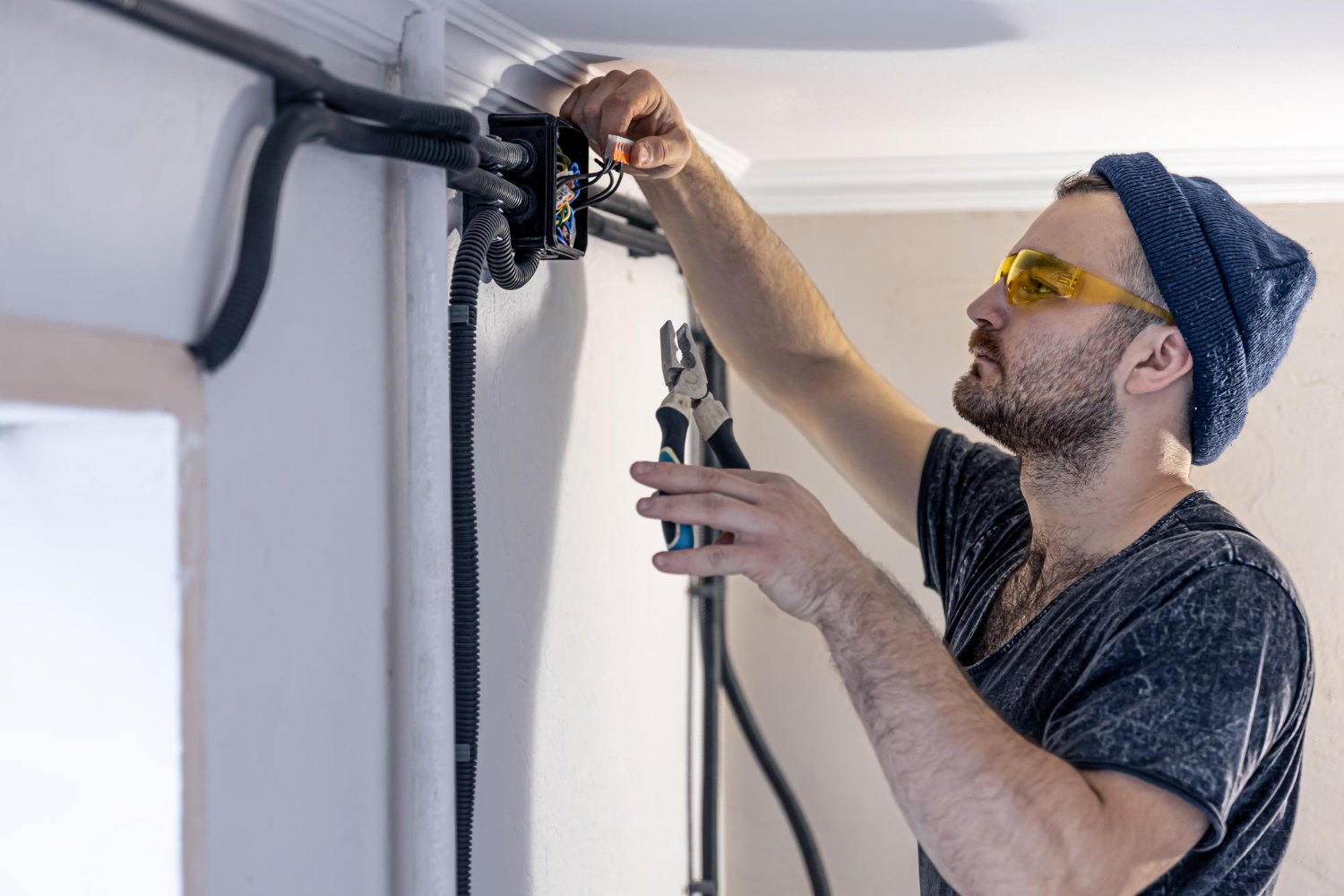
Electrical fires rarely start with some dramatic explosion. They usually begin with a shortcut, a little extra heat, or a connection that keeps getting ignored until something finally fails.
That is why the most dangerous wiring habits can look ordinary at first glance. A warm outlet, a tripping breaker, or a cord tucked out of sight can all be early warning signs of a real electrical problem.
Temporary fixes are where many homeowners get into trouble. Safety guidance specifically warns against normalizing overloaded outlets, permanent extension-cord use, and other improvised setups that were never meant to carry daily life.
The point is not to scare people for effect. It is to show which common hacks quietly raise the odds of fire, wall damage, and miserable claim conversations after the damage is done.
Overloaded Power Strips
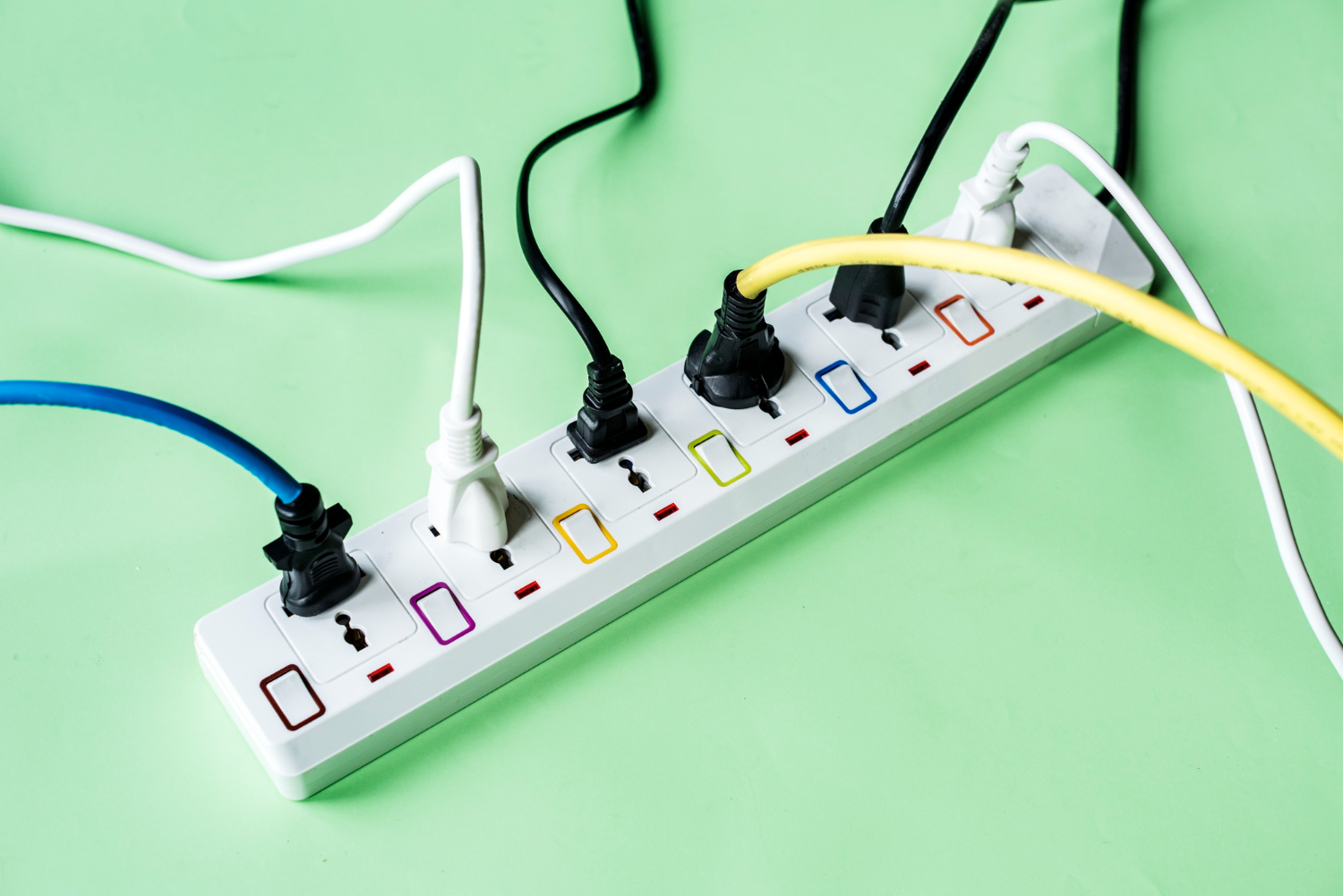
Power strips do not create extra electrical capacity. They simply divide one outlet among more plugs. When heavy-load devices stack up on them, the strip and the circuit can overheat.
The riskiest mix usually includes space heaters, air conditioners, or similar high-draw appliances. CPSC says portable electric heaters should be plugged directly into a wall outlet. A power strip is the wrong place for them.
Warning signs often show up before fire does. ESFI lists warm or discolored wall plates, buzzing receptacles, burning odors, and frequent breaker trips as overload clues. Those are not cosmetic issues.
NFPA data shows arcing is a major heat source in home fires involving electrical distribution and lighting equipment. That matters because overloaded or failing connections can arc before anyone sees obvious damage. A crowded strip can easily become the weak link in that chain.
Extension Cords Used As Permanent Wiring
An extension cord is meant to solve a short-term problem, not become part of the house. ESFI says extension cords should never be used on a permanent basis.
That guidance exists for a reason. Daily bending, tugging, and traffic wear cords down faster than fixed wiring inside a wall.
People also make things worse by linking one cord to another. ESFI warns against connecting multiple extension cords together because every extra connection adds another point of strain and heat.
Permanent cords also get pinched behind beds, dressers, and sofas. CPSC and ESFI both warn against placing cords under furniture or where they can be crushed.
A cord can look fine from the outside and still be failing inside. Insulation cracks, plug ends loosen, and conductors weaken over time. That hidden wear is exactly why temporary products make poor permanent infrastructure.
Loads matter too. CPSC advises that the total wattage on an extension cord should not exceed the cord’s rating. It even notes that standard 16-gauge cords carry about 1,625 watts. Guessing is not a safety plan.
Covered cords are another trap. ESFI warns not to run extension cords through walls, floors, ceilings, or covered areas because trapped heat cannot escape properly. What seems neatly hidden can actually become more dangerous.
If a room always needs a cord to function, the room probably needs another receptacle. That fix costs more upfront, but it removes a hazard safety groups keep warning people not to normalize. Living with a permanent cord is often just delayed repair wearing a disguise.
Hidden Splices Behind Walls
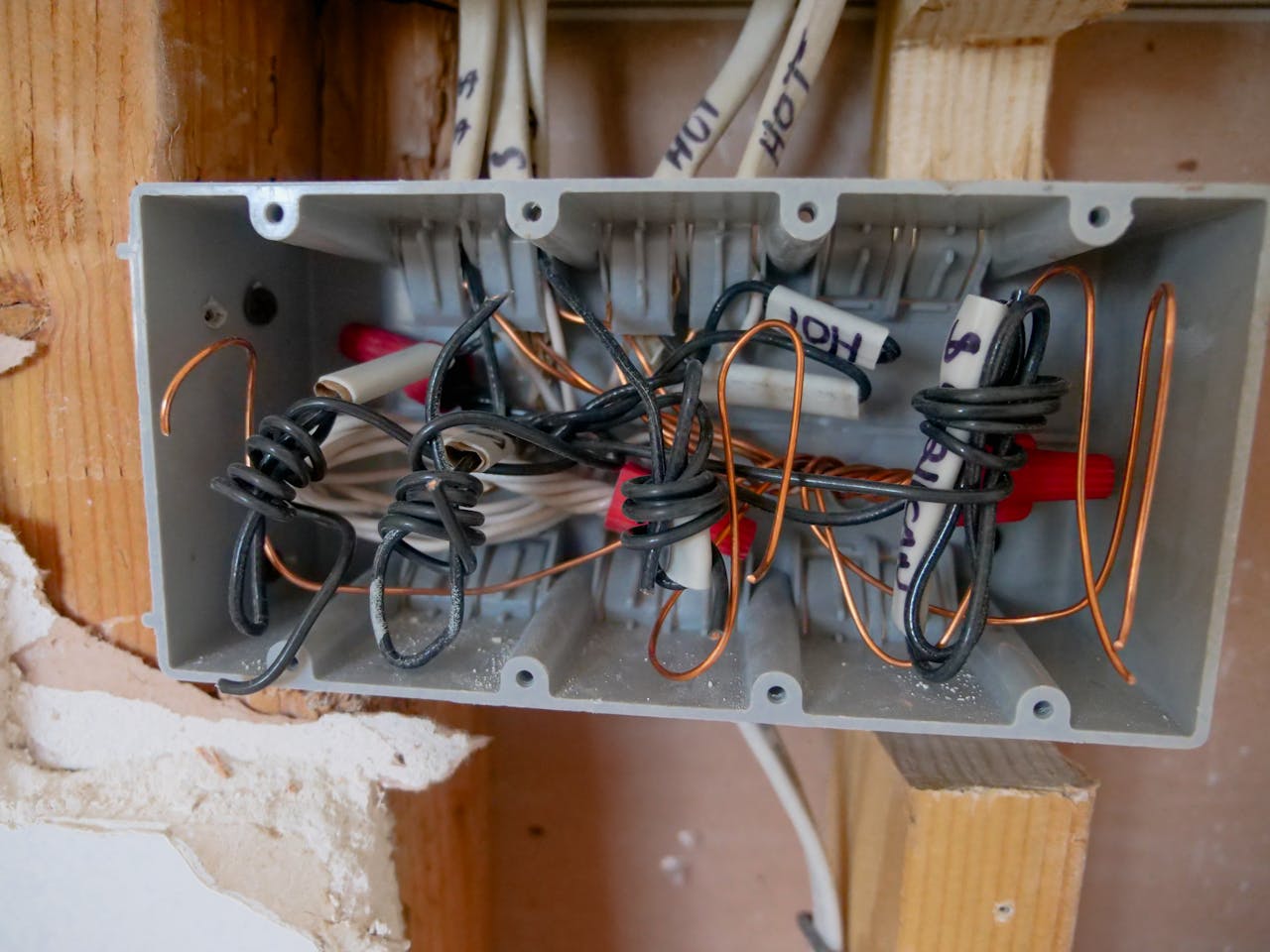
Loose wire splices hidden behind drywall are one of the worst DIY shortcuts in a house. ECM’s code explanation notes that NEC 300.15 generally requires a box or conduit body at conductor splice points.
That rule is not busywork. Boxes are there to contain connections and keep them accessible if something fails later. A taped splice buried in a wall does neither.
NFPA says arc faults can come from loose connections in junction boxes or on electrical devices. Once a weak connection starts arcing, surrounding framing and insulation do not need much imagination to become fuel. Hidden locations just make the danger harder to spot.
This is why mystery flickers and dead spots should not be shrugged off. A sloppy splice may stay quiet for months, then fail under load with no helpful warning visible in the room.
Wrong Bulbs In The Wrong Fixtures
Bulbs still start trouble when people ignore fixture limits. NFPA and CPSC both say lamps and fixtures should use the recommended wattage and type.
That sticker or marking matters more than people think. Exceeding the rating can overheat sockets, shades, wiring, and nearby dust.
Older lamps are especially unforgiving. A fixture with brittle parts or poor ventilation has less margin for extra heat.
Some people assume any LED is automatically safe. LEDs usually run much cooler than incandescent bulbs, but the bulb still has to match the fixture’s design and rating.
Enclosed fixtures are where bad choices show up fast. Heat builds, plastics discolor, and insulation ages faster. The damage may start long before a bulb actually burns out.
A scorched shade or hot socket is not normal wear. It is a clue that the fixture is running hotter than it should. Waiting for a stronger smell is a terrible diagnostic method.
CPSC’s home checklist even gives a fallback rule for fixtures without a visible rating. It says installed bulbs should not exceed 60 watts, or 25 watts for miniature-base bulbs. That is not design advice, but it is a useful safety ceiling when markings are missing.
The bigger point is simple. Light fixtures are electrical equipment, not blank spaces for whatever bulb happens to fit. Matching wattage and type is basic fire prevention, not decoration.
Loose Outlets And Worn Switches
A loose outlet is more than an annoyance when plugs keep slipping out. NFPA says arc faults can come from worn receptacle contacts and loose connections in wall outlets. That means a lazy plug fit can point to a real fire mechanism.
ESFI adds more warning signs to watch for. Warm outlets, discolored wall plates, crackling, sizzling, buzzing, or a burning smell all suggest unsafe wiring conditions. Those symptoms deserve an electrician, not a shrug.
Worn switches tell on themselves in similar ways. If a switch feels hot, makes noise, or works only when pressed just right, something inside may already be failing. The fact that it still turns the light on does not make it safe.
These failures often stay small until repeated use makes them worse. Every plug-in, every wiggle, and every load cycle can deepen the damage. Small symptoms are usually the cheap phase of the problem.
Cords Hidden Under Rugs And Furniture
People hide cords under rugs because they hate clutter. Safety agencies hate that move for a better reason: cords under rugs and carpeting can be damaged and overheat.
CPSC says never run a heater cord under rugs or carpeting. NFPA says cords under carpets can wear out and cause a fire.
The rug does not protect the cord. It traps heat, hides damage, and invites constant pressure from feet and furniture.
That is why these setups survive too long. Because the cord is hidden, people stop inspecting it altogether. The hazard becomes invisible by design.
Furniture creates a similar problem. CPSC warns cords should not be pinched against the wall by furniture or wrapped tightly around objects. Pressure slowly crushes insulation and stresses the conductors inside.
Once a cord is flattened or nicked, arcing becomes more plausible. NFPA notes that arc faults can be produced by damaged conductors and connectors. In practical terms, a hidden damaged cord can become the spot where trouble begins.
These are not rare, exotic failure paths. NFPA research specifically notes that even cords running under carpets can generate enough heat to produce an arc fault. That is about as direct a warning as homeowners can get.
If a cord has to disappear to make a room usable, the room needs a better electrical layout. Hiding the evidence does nothing to remove the risk. It just delays the moment someone notices it for the wrong reason.
Breakers That Trip Repeatedly
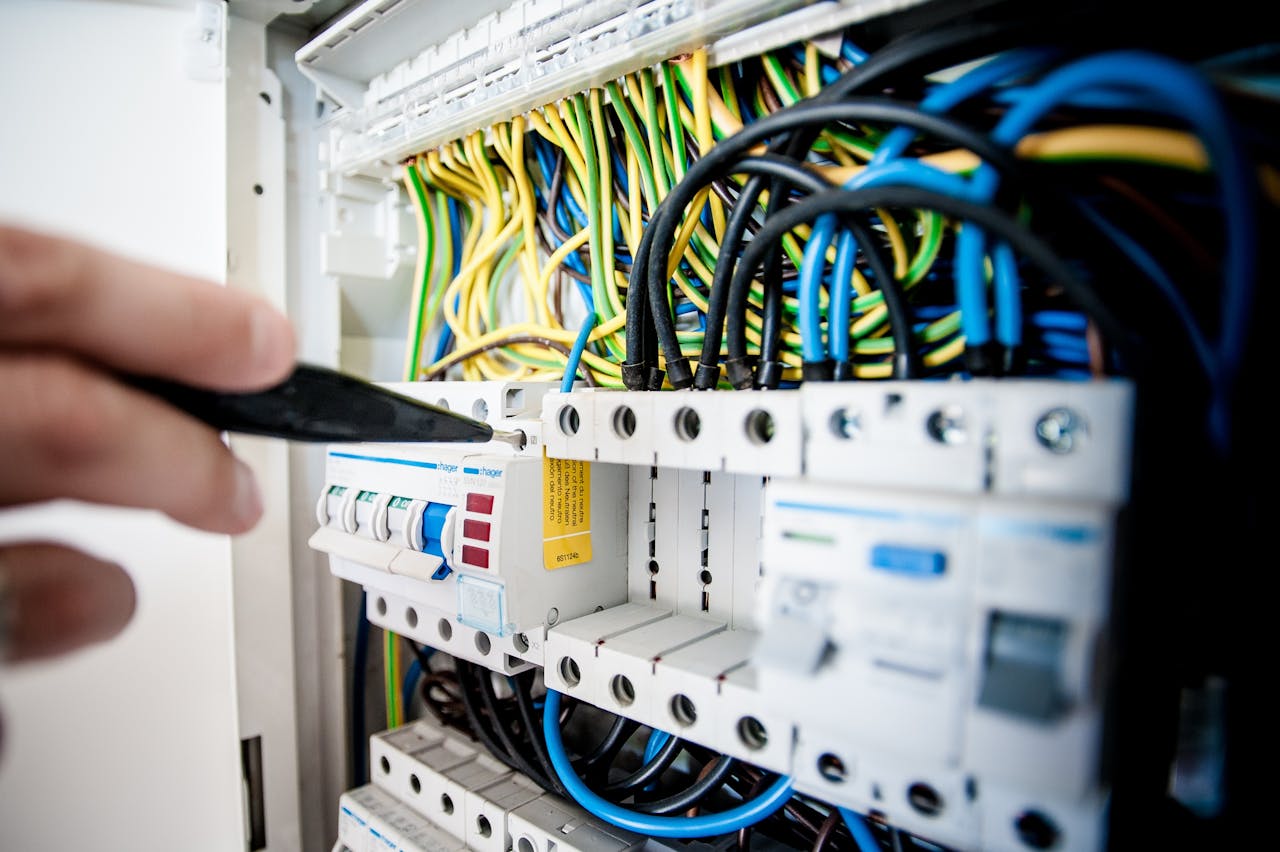
A breaker that trips now and then is doing its job. A breaker that trips repeatedly is sending information. ESFI says frequent trips indicate a problem and should be inspected by a qualified electrician.
CPSC makes the same point in plain language. If a fuse blows or breaker trips, do not just reset or replace it and move on. The circuit may be overloaded, shorted, or tied to a malfunctioning product.
Homeowners get into trouble when they treat the panel like a stubborn switch. Repeated resets keep the power on, but they do not fix the underlying heat, fault, or overload. They just reset the countdown.
This is one of the clearest moments to stop improvising. The protective device has already interrupted the circuit for a reason. Ignoring that warning is how a manageable repair graduates into damage.
Amateur Panel Work And Oversized Protection
The service panel is the worst place for guesswork. Swapping parts blindly or forcing a bigger fuse into a problem circuit removes the very protection that is supposed to stop overheating first.
ESFI is explicit here. Replacement fuses must match the amperage rating of the circuit, and larger ones are a serious fire hazard. Bigger is not safer; bigger just lets wires cook longer.
The same logic applies to breakers. ESFI says fuses or circuit breakers should be replaced with the correct size and amperage. The circuit has to be protected for what the wiring can safely handle, not for what someone wants it to tolerate.
That sounds basic, but rushed DIY panel work often ignores exactly that detail. The panel remembers those mistakes long after the cover goes back on.
Old fuse panels create their own temptation. A homeowner gets tired of blowouts and reaches for a larger fuse. ESFI calls that a dangerous fire hazard, and older CPSC fire investigations linked improper fuse sizing to residential fires.
Ground protection gets abused too. ESFI warns people never to remove the third prong from a three-prong plug to make it fit a two-slot outlet. That may solve convenience, but it strips away a layer of shock protection.
Panel work punishes overconfidence because faults are not always visible. A connection can look tight, a breaker can look fine, and the circuit can still be wrong for the load. That is why sizing rules matter more than appearances.
Once someone overrides the safety device, the house loses time. Wires may overheat without tripping when they should. That is how a cheap shortcut in the panel turns into a much more expensive lesson.


