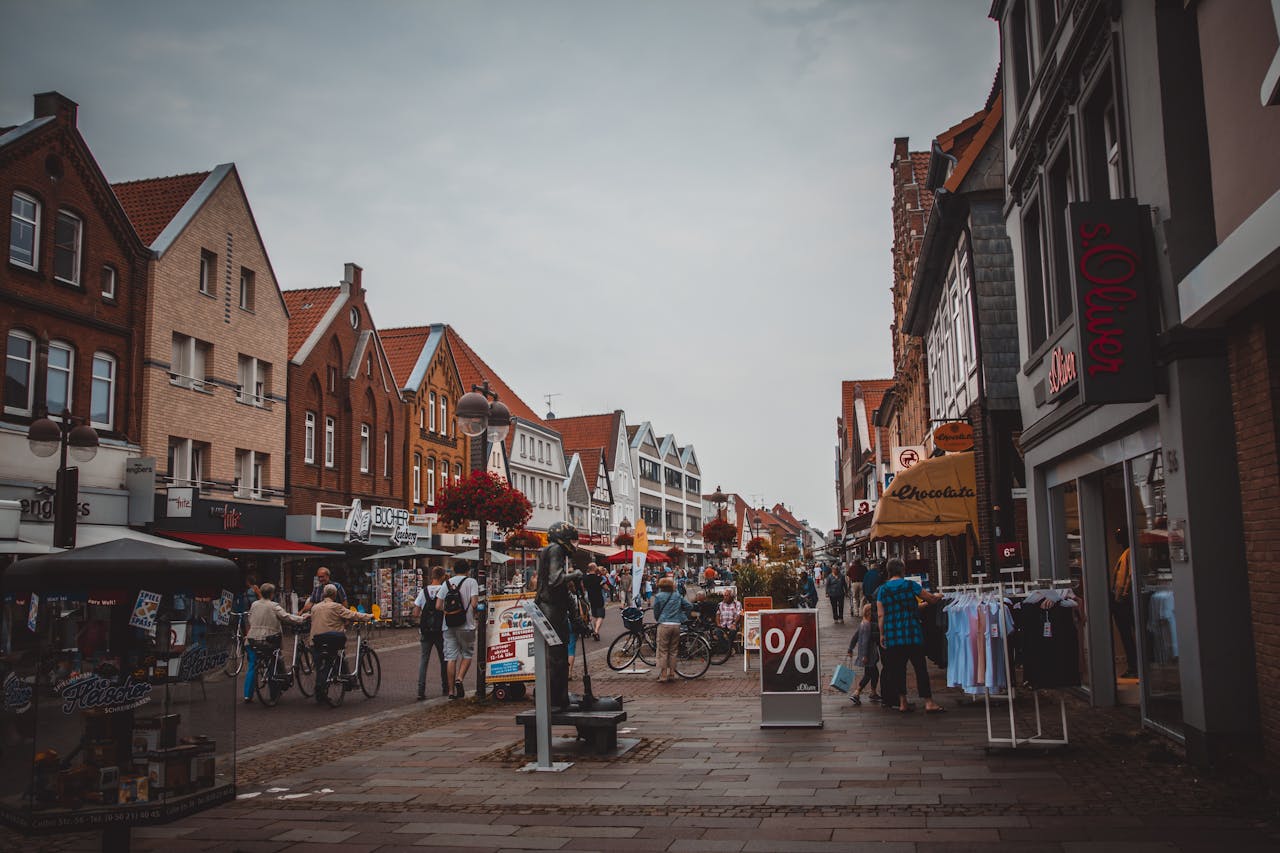
Europe still sells the fantasy of easy café days and postcard lanes, but the mood has shifted in plain view.
In more cities, tourism now feels managed, rationed, fined, priced, and openly resented by the people below the balconies.
The old friction was small: long lines, pricey meals, crowded squares, a rude waiter, a missed tram, a shrug.
Now the friction is structural, and it meets visitors before they even unpack a bag or open a city map.
Rules multiply, patience thins, and local politics keep pushing against the idea that more arrivals are always good.
That does not make these places unworthy. It means the carefree version many travelers expect is fading fast.
The result is a strange new travel mood: beautiful cities that feel less welcoming precisely because they are famous.
For some travelers, the message is no longer come enjoy this place. It is come carefully, briefly, and quietly.
Venice Turns Arrival Into Administration

Venice has turned arrival into paperwork, with access fees, QR codes, and crowded-day planning replacing spontaneity.
That may sound minor. In practice, it changes the tone before the first bridge and makes a day trip feel pre-approved.
Even supporters admit the fee is really about crowd control, not romance, and the city keeps widening the experiment.
The beauty is still there. But once arrival feels procedural, even wonder can start with mild annoyance.
Barcelona Feels Like A City In Argument
Barcelona now carries the tension of a place that still profits from visitors while arguing, loudly, about their impact.
Taxes have climbed, protests have grown more theatrical, and the city has tied tourism to rent pressure and inequality.
That matters because travelers can sense when they are walking through a debate instead of simply entering a destination.
The irritation is not hidden in policy memos anymore; it shows up in marches, stickers, slogans, and neighborhood anger.
For a weekend visitor, the architecture still dazzles, the food still lands, and the sea still softens the edges.
But the social atmosphere can feel brittle, especially where apartments became short stays and local life feels priced out.
When a city signals that tourism has become a housing problem, the visitor experience changes whether anyone says it aloud.
Barcelona is not closing the door. It is making the welcome feel conditional, and people notice.
Amsterdam Is Tired Of Its Old Brand
Amsterdam has spent years trying to shed its reputation as Europe’s easiest place to behave badly and call it fun.
That push is now visible in taxes, hotel limits, anti-party messaging, tighter rules, and central-city behavior controls.
The city has even used stay away campaigns to tell nuisance-seeking visitors that they are not wanted.
Locals, meanwhile, have kept pressing the case that tourism is changing daily life faster than officials can manage.
This is not an anti-visitor city in some simple sense, because Amsterdam still depends on people showing up.
It is a city trying to separate culture seekers from chaos seekers, and that sorting process can feel sharp.
Travelers who wanted freedom may read the same atmosphere as fatigue, suspicion, and a city that has had enough.
Prague No Longer Wants Drunk Weekends

Prague still looks like a fairy tale after rain, but the city has grown visibly impatient with cheap party tourism.
Officials banned organized nighttime pub crawls, aiming to curb noise, garbage, and the churn of alco-tourism.
That move says something bigger than one nightlife rule: Prague wants fewer rowdy weekends and more deliberate visits.
The trouble is that once a destination starts policing its own stereotype, visitors feel the correction everywhere else too.
Even travelers with good intentions can end up reading the city as wary, regulated, and slightly done with the act.
This Pattern Is Spreading Faster
Venice, Barcelona, Amsterdam, and Prague are not isolated cases. They are early signs of a wider European pattern.
Across the region, cities are testing tourist taxes, cruise limits, stricter behavior rules, and curbs on short-term rentals.
Officials frame these measures as protection for residents, heritage, and infrastructure, which is often exactly what they are.
But protection also has a texture. It means queues, warnings, fees, caps, and fewer spaces where visitors can drift freely.
The traveler may not object to any one measure on its own, yet the stack of them changes the emotional math.
A city can remain gorgeous and still stop feeling easy, and ease is often what made people fall for it first.
Housing Pressure Changes The Welcome
The deeper issue is not manners. It is the sense that tourism now competes with housing, wages, and ordinary urban life.
When residents connect visitor demand to rent spikes and disappearing neighborhoods, hospitality becomes politically expensive.
That pressure shows up in crackdowns on rentals, tougher permits, and a colder public mood toward constant inflow.
Travelers feel that shift quickly. The city no longer reads as open ground for endless outside demand.
Beauty Still Exists, Ease Does Not
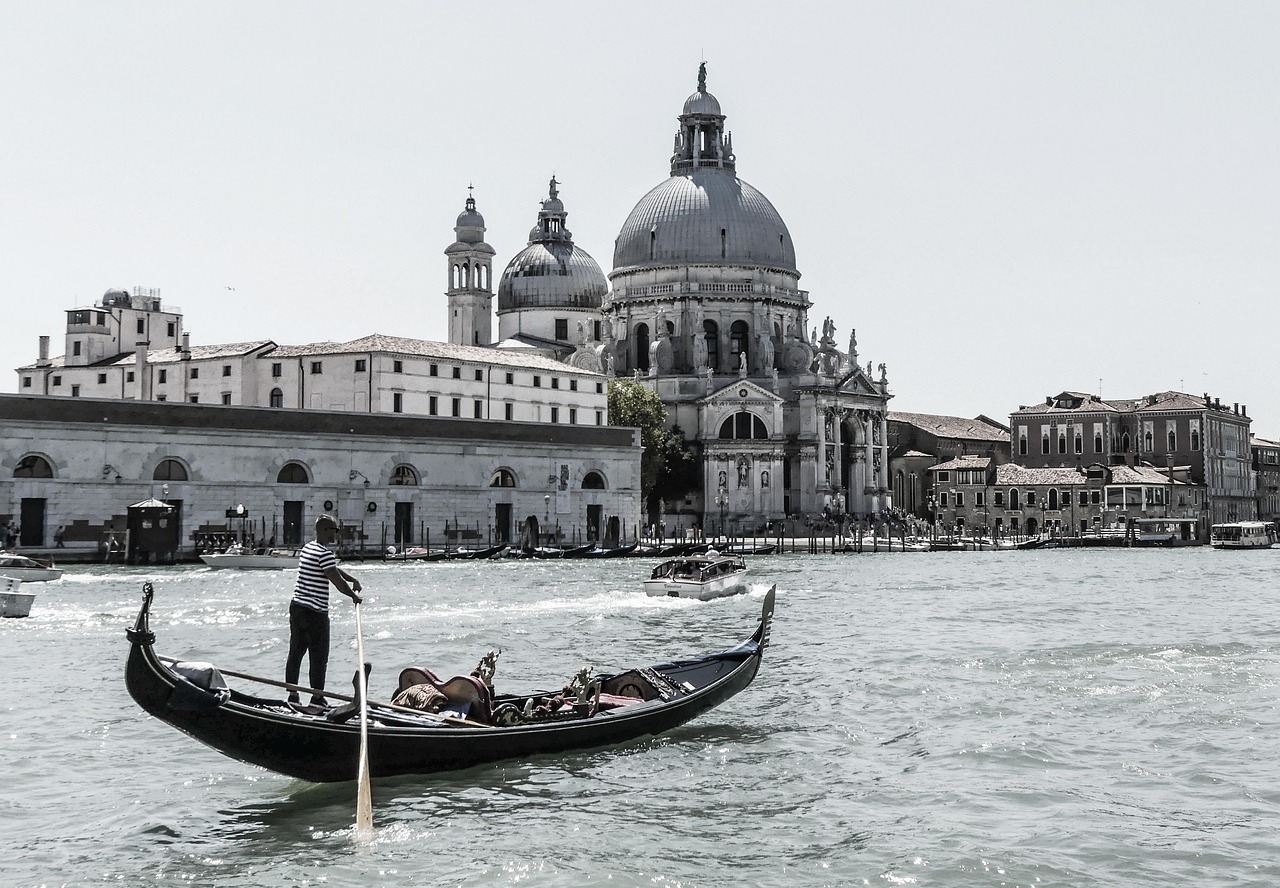
None of this means Europe is suddenly joyless, or that famous cities have lost the beauty that made them matter.
It means beauty is now sharing space with fatigue, and fatigue is shaping policy faster than tourism boards can soften it.
People do not stop traveling because a city is ugly. They stop when every simple pleasure starts requiring strategy.
Why People May Quietly Choose Elsewhere
So the real risk for these cities is not that tourists vanish overnight. It is that they start choosing easier places.
When planning begins to feel like compliance, travelers notice. When welcome starts to feel negotiated, they remember.
That is how overtourism wins twice: locals feel overwhelmed, and visitors leave with less affection than the city deserves.
Quietly, that may be the turning point. Not closure, not collapse, just enough friction that people stop coming back.