

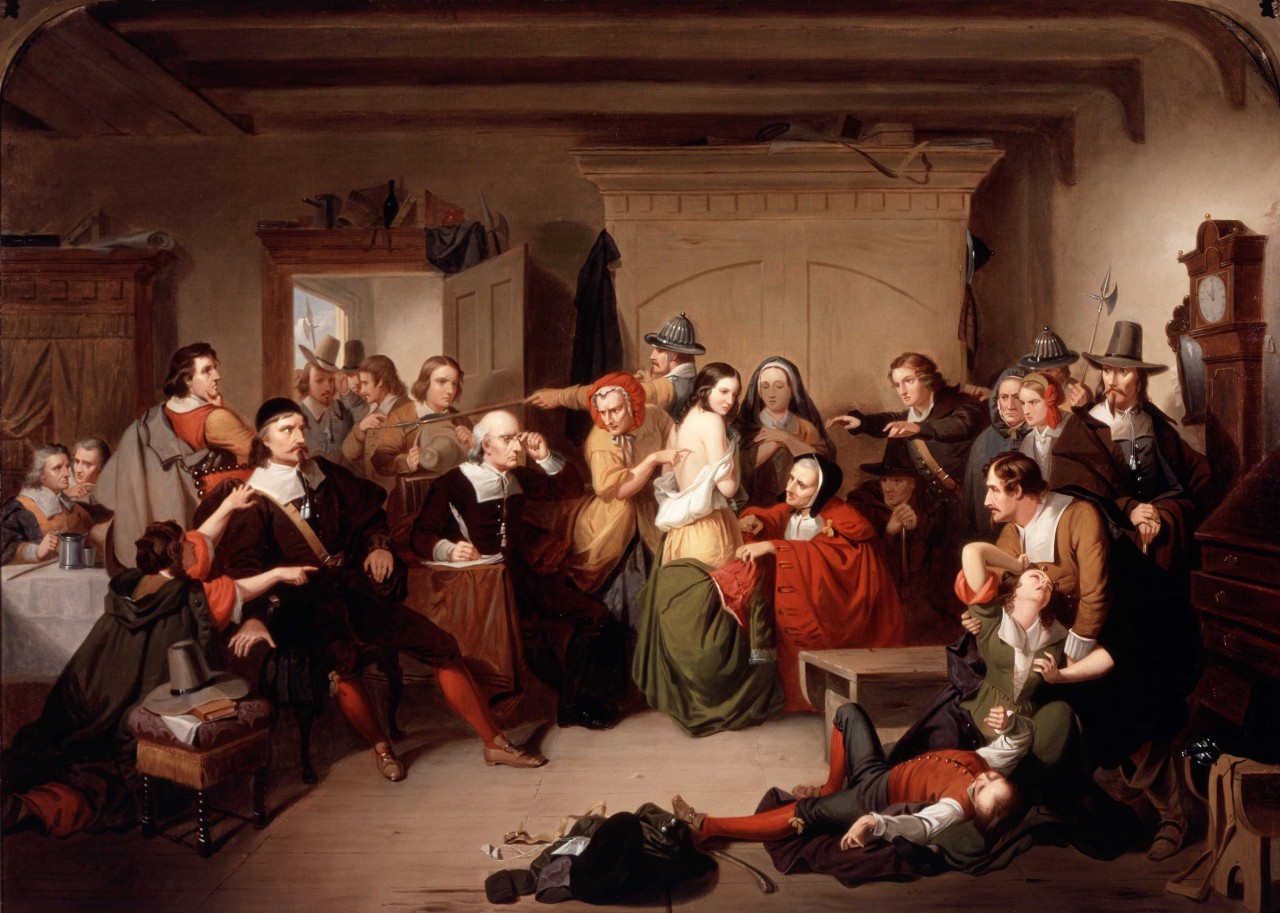
The Salem Witch Trials were more than a tragic chapter in colonial history; they were a mirror reflecting the darker instincts of fear, faith, and control. What began as strange fits among a few young girls in a strict Puritan settlement soon ignited panic that tore through homes, churches, and hearts. Within months, the same community that once prayed together was gripped by suspicion and vengeance, eager to find evil in familiar faces.
Beneath the surface of superstition lay something far more human: class divides, religious rivalries, and the crushing weight of uncertainty in a harsh new world. The trials revealed how easily fear could masquerade as righteousness and how justice could crumble under collective panic. Understanding Salem isn’t just revisiting history; it’s confronting the timeless truth that fear, when left unchecked, can unravel even the most faithful of societies.
Echoes of Fear in a Small Colony
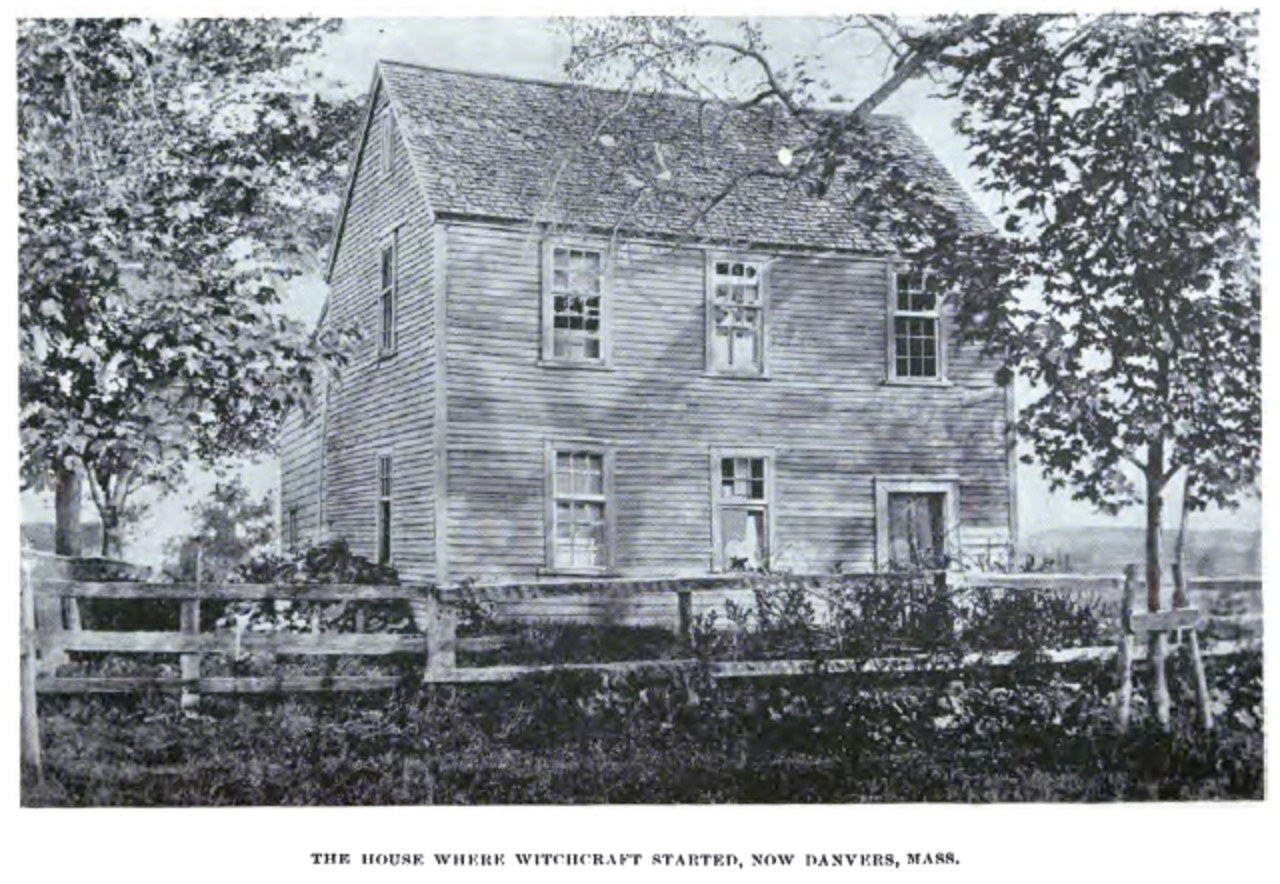
Salem in 1692 was a nervous place where everyday anxiety lived next to prayer. A string of illnesses among young girls and a handful of high-emotion confessions set off a community already frayed by grief, scarcity, and harsh religious codes. When a doctor suggested “bewitchment,” suspicion found a direction, and neighborly quarrels became evidence in a fear-hungry town.
Those first episodes weren’t isolated theatrical scenes; they arrived in a social landscape shaped by recent losses, contested church authority, and families split between Salem Village and Salem Town. Small disputes over property, inheritance, and parish membership gained new weight when interpreted through a worldview that constantly expected the supernatural to intervene in daily life.
When Suspicion Became Panic
A handful of accusing voices quickly multiplied into a chorus. Girls who experienced fits named people; ministers and magistrates treated those testimonies as urgent warnings. Accusations radiated outward, dragging in servants, midwives, landowners, and the socially vulnerable. The dynamic was contagious: each public charge made further accusations more likely.
Court proceedings institutionalized that panic. Jails filled, and the machinery of law, interrogations, indictments, and dramatic examinations turned private grievance into public peril. The combination of theatrical testimony and an overwhelmed legal system produced a feedback loop: fear fed court action, and court action legitimized more fear.
Why Did It Happen Here and Now?
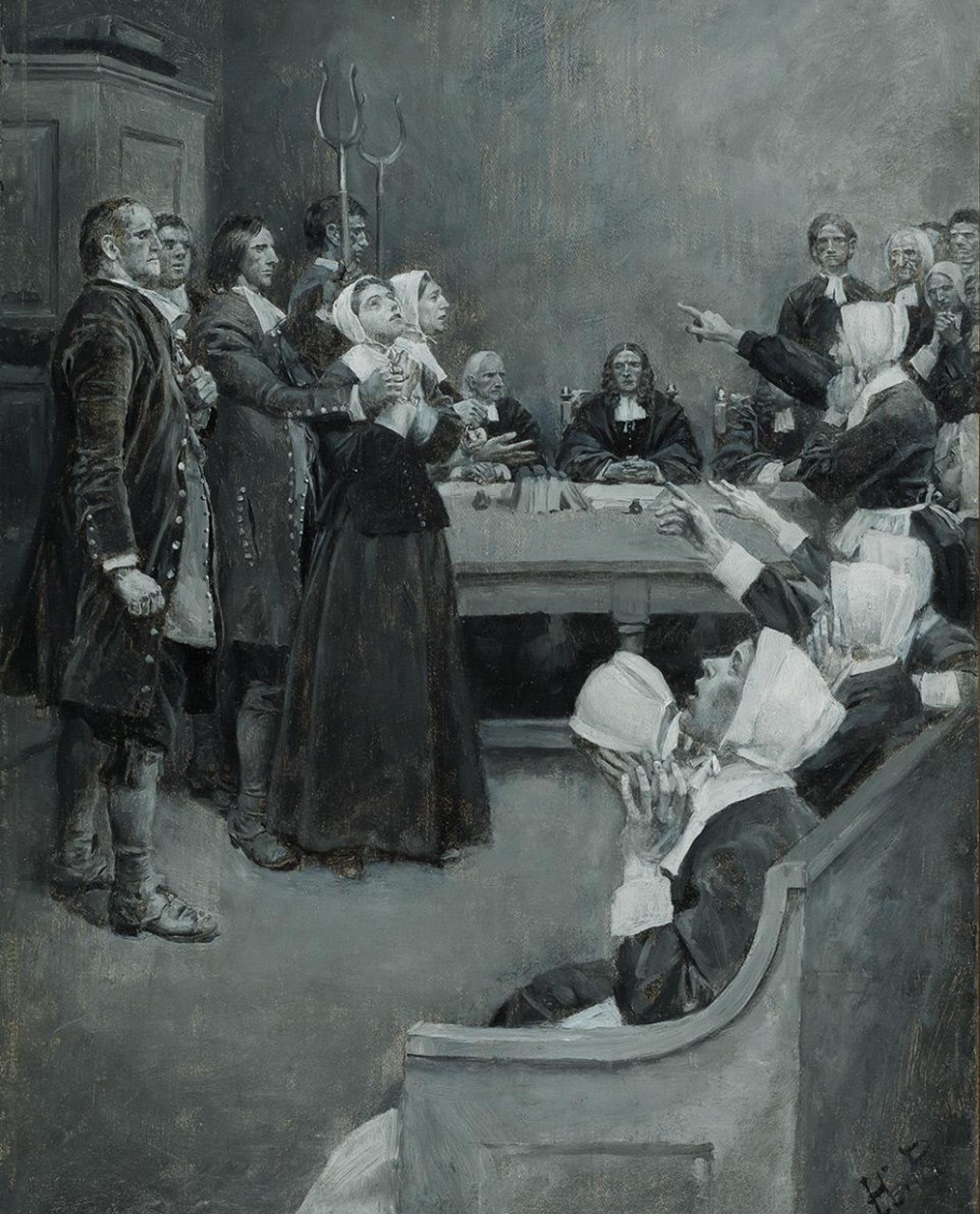
Historical context is crucial: New England in the 1690s lived at the edge of empire and conflict. Frontier skirmishes with Native groups, economic strain, and the aftershocks of recent epidemics and losses made the community brittle and anxious. Leaders and ordinary people read threats everywhere, and witchcraft fits an already coherent interpretive frame for misfortune.
Gender and social hierarchy also shaped targets. Women who were outspoken, poor, widowed, or otherwise marginal were disproportionately vulnerable to accusation. Social resentments about who controlled land, labor, and moral authority found a vehicle in the language of witchcraft, so that personal vendettas could be reframed as spiritual warfare.
Unconventional Evidence and the Courtroom
A defining and controversial feature of the trials was reliance on “spectral” testimony, claims that an accused person’s apparition tormented an afflictee. Such evidence was inherently unverifiable and provoked theological debate: could the devil impersonate an innocent person? Judges and ministers disagreed, but in the early months, the courts often allowed spectral claims to carry weight.
Other forms of testimony, confessions under duress, “touch tests,” and the interpretation of marks on the body as “devil’s marks,” added to the confusion. In an era with no modern forensic standards, emotion and ritualized proof flowed into legal outcomes, and formal legal protections we take for granted today were either absent or unevenly applied.
Lives Lost and Legal Legacies
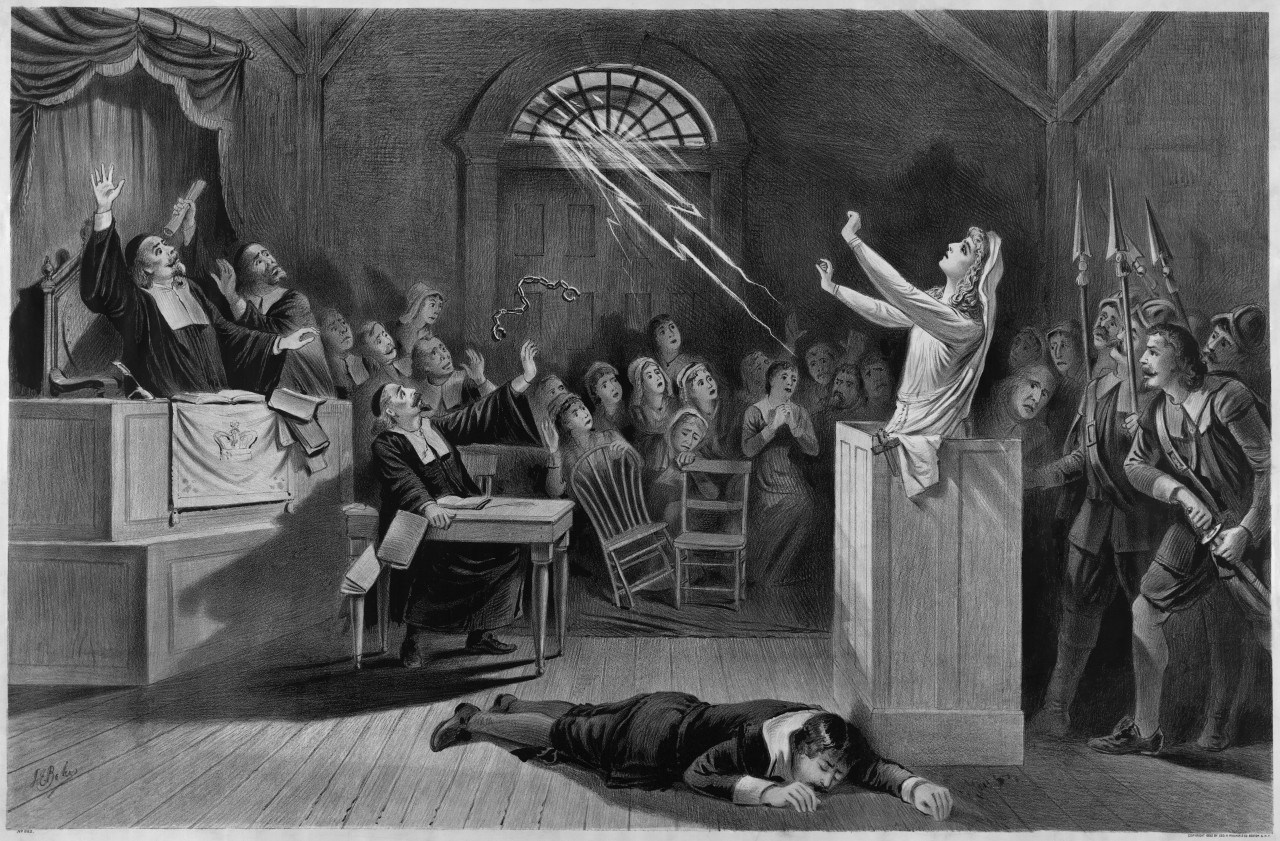
The human cost was severe: dozens of people were accused, many imprisoned, and twenty individuals died as a direct consequence, nineteen hanged and one pressed to death; others perished in jail. Families were shattered, and property disputes lingered long after executions stopped. The scale of tragedy forced colonial leaders and later generations to confront judicial failure.
In the aftermath, procedures were reexamined: reliance on spectral evidence was explicitly rejected, and scholars and magistrates debated how law must balance spiritual beliefs with standards of proof. Over time, the colony issued apologies, and some reparations were sought for victims’ families; the events left a durable legal lesson about the dangers of emotion-driven justice.
Myth, Metaphor, and the American Psyche
Salem did not remain only a local disaster; it became a flexible cultural symbol. Playwrights, historians, and artists turned the trials into allegory, using Salem to interrogate other moments when fear produced persecution. The phrase “witch hunt” entered political language as shorthand for unjust, panic-driven accusation, invoked most famously in mid-20th-century anti-Communist purges and many later moral panics.
Popular renderings often compress or dramatize details, but the core metaphor endures: communities can turn suspicion into systematic harm when institutions and norms fail. Salem’s image continues to teach how rhetoric, rumor, and political pressure can corrupt fact-finding and ruin lives.
Lessons for a Fearful Time

If Salem’s history has a practical takeaway, it is the value of procedural safeguards and sober public discourse. Early skepticism toward unverifiable testimony, careful evidentiary standards, transparency in legal processes, and the protection of marginalized voices are practical bulwarks against panic. Clear institutions reduce the chance that private grudges become public persecutions.
More broadly, the trials invite societies to examine how fear amplifies mistakes: economic stress, political uncertainty, and social fragmentation make false narratives more plausible. Recognizing the structural conditions that produce scapegoating and insisting on measured inquiry even when emotions run high remains the clearest safeguard Salem can offer modern readers.
Reference
- The Salem Witch Trials And The Colonial Use Of ‘Witchcraft’ To Silence Native Resistance In America – timesnownews.com
- Witch hunts were common in the 17th century. Here’s what made Salem infamous – nationalgeographic.com
- Salem Witch Trials: What Caused the Hysteria? – history.com


