Neon coffee signs, chrome trim, and pie cases once made these chains feel welded into the American roadside.
In the 1990s, families treated them like dependable rituals, the kind of places that always seemed built to last.
Then traffic patterns changed, debts piled up, and many dining rooms slipped into the eerie silence of retail ruins.
Howard Johnson’s

Howard Johnson’s once turned highway exits into miniature events, with orange roofs and a menu built for road-weary families.
By the 1990s, the magic was thinning. Newer chains felt faster, cleaner, and more tuned to changing travel habits.
The brand still carried weight, but nostalgia could not keep aging locations competitive against sharper rivals.
As units closed, many sites stayed behind like stranded postcards. Half motel, half diner, and fully out of time.
Ponderosa
Ponderosa sold steakhouse ambition at family-budget prices, which made its dining rooms feel busy even on plain weeknights.
The salad bar mattered almost as much as the steak. For many customers, it was the real reason they kept returning.
In the 1990s, that formula still had pull, especially in suburbs where casual dining options were not yet endless.
But buffet upkeep is expensive, and chains built around value get squeezed fast when food, labor, and rent all rise.
Some stores looked crowded right until the end, which made the closures feel less like decline than sudden erasure.
After shutdowns, many big-box restaurant shells lingered beside service roads, too awkwardly shaped for easy reuse.
The emptiness felt especially strange because Ponderosa had been designed for abundance, not for vacancy or dust.
That mismatch is why old locations still look haunting today: they were built for noise, trays, and full parking lots.
Bonanza
Bonanza chased the same family-steakhouse dream, but its identity felt a little more bare-knuckled and utilitarian.
It was not glamorous, and that helped. People trusted it to deliver a filling meal without pretending to be upscale.
In many towns, Bonanza became a fallback choice that slowly turned into a tradition through repetition and convenience.
That kind of loyalty looks solid until habits change. Then a dependable chain can start shrinking almost invisibly.
During the 1990s, mergers and brand overlap blurred the difference between Bonanza and its closest corporate cousins.
As the footprint thinned, former units often sat oversized and underloved, with layouts that screamed another decade.
What remained was not just an empty restaurant, but a leftover stage set for a version of America that had moved on.
Wag’s
Wag’s gave many suburbs a twenty-four-hour safety blanket, part drugstore logic and part classic diner comfort.
It worked because people knew exactly what they were getting. Coffee, breakfast, and fluorescent predictability at odd hours.
When Walgreens exited the restaurant business, the chain lost the giant parent that had made its spread possible.
That corporate retreat turned everyday hangouts into orphans almost overnight, especially in Midwestern shopping strips.
Many former Wag’s buildings vanished entirely, but the ones that survived carried a very specific kind of afterglow.
Lum’s
Lum’s built its reputation on beer-steamed hot dogs, which sounded gimmicky but gave the chain a memorable identity.
It also had lounges, seafood, and a loose Florida energy that made the brand feel a little stranger than its peers.
That weirdness helped it stand out for a while. Later, it made the concept harder to modernize without losing itself.
By the 1990s, most of the empire had already burned off, leaving only traces of a once-expansive casual chain.
The leftovers were uncanny: odd floor plans, oversized signs, and buildings that never quite matched their replacements.
Lum’s did not just disappear from memory. It lingered as a rumor in roadside architecture and local restaurant lore.
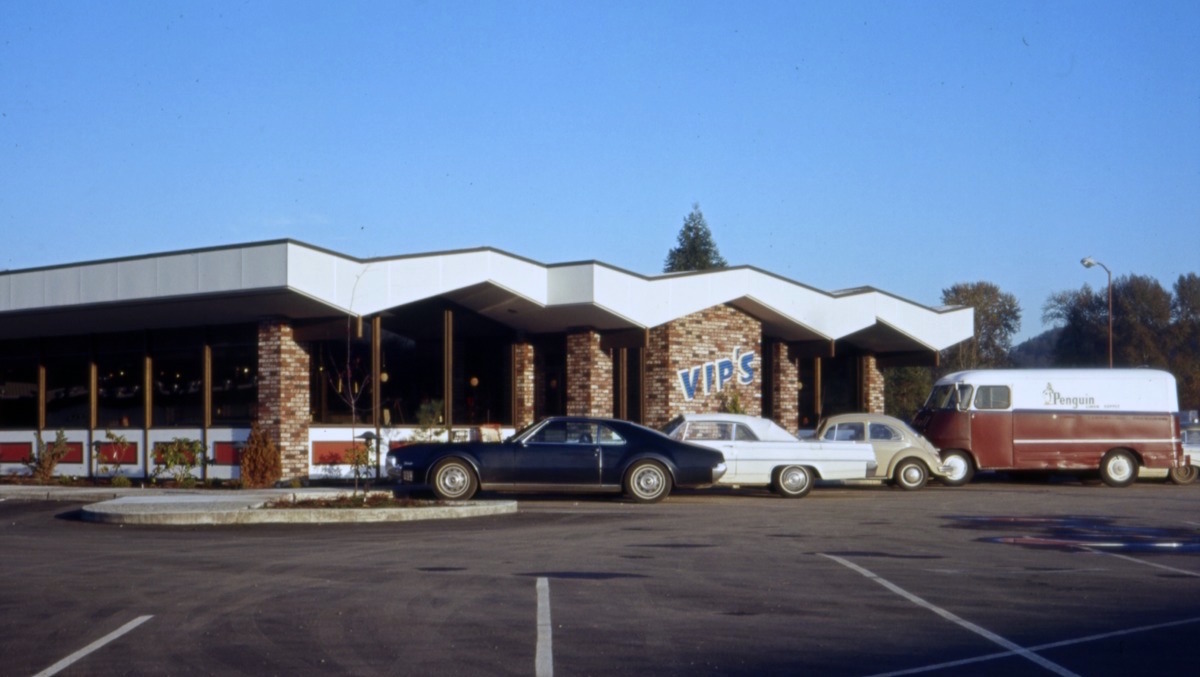
VIP’s
VIP’s became a dependable Western chain by offering the kind of broad menu that could absorb breakfast, lunch, or late pie.
Families used it, but so did church groups and regulars. That gave many locations the feel of civic furniture.
When Denny’s absorbed much of the chain, the name disappeared faster than the memories attached to the booths.
The strange part was how completely the identity dissolved. A social landmark could become generic in one repaint.
Sambo’s
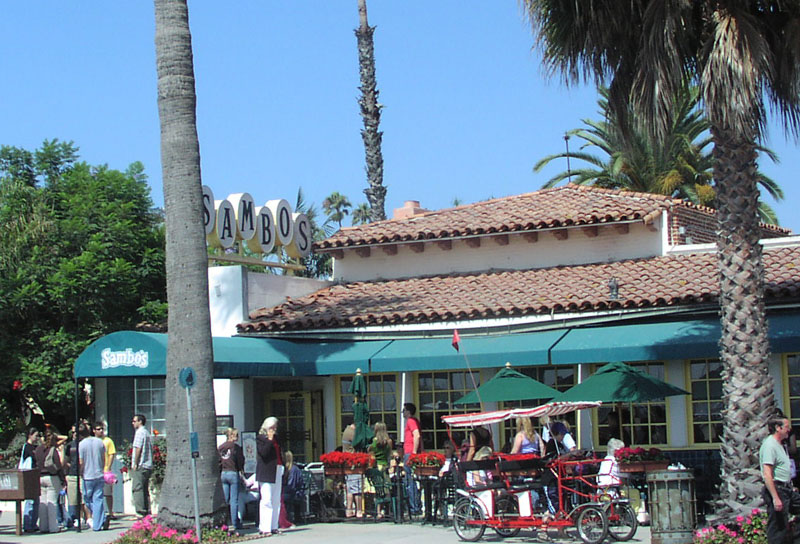
Sambo’s drew customers with pancakes and familiar diner food, but its name and imagery carried openly racist baggage.
Public criticism kept growing, and the brand became a lesson in how profitable nostalgia can still collapse under scrutiny.
When the chain fell apart, the empty buildings marked more than a business failure. They exposed a culture finally shifting.
Morrison’s Cafeteria
Morrison’s Cafeteria was not flashy, but it mastered routine, serving comfort food with the calm rhythm of repetition.
It appealed to families, retirees, and travelers who wanted reliability. That kind of trust can look unbreakable for years.
As cafeteria culture weakened, Morrison’s lost the social pattern that had made tray lines feel practical and comforting.
Many former spaces then sat with an almost museum-like stillness. It felt like lunch service had paused forever.
Kenny Rogers Roasters
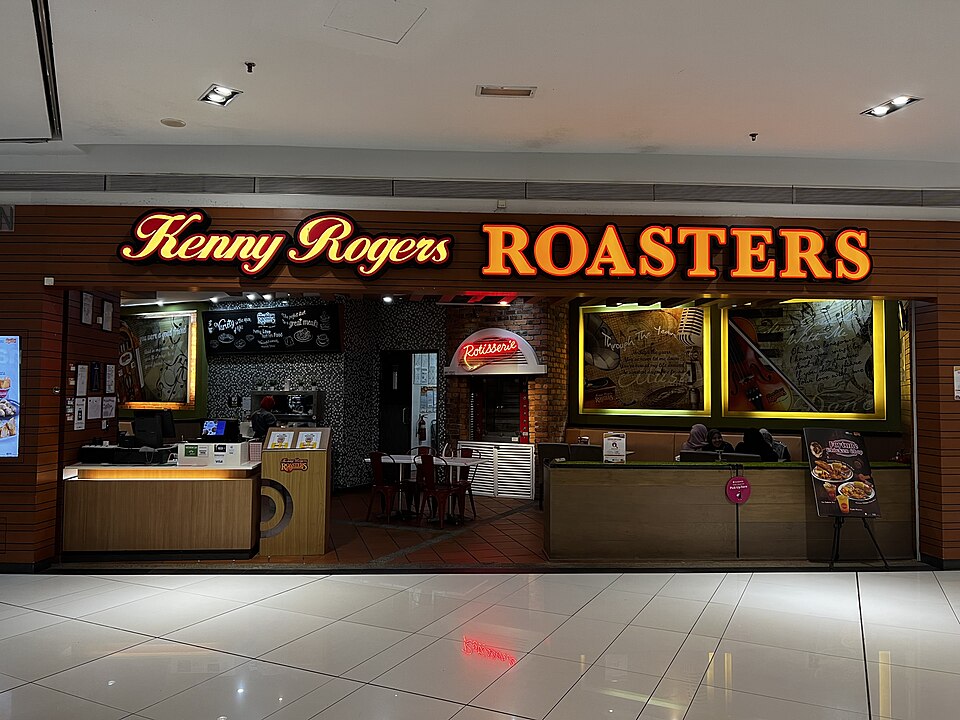
Kenny Rogers Roasters thrived on celebrity shine and easy weeknight meals, making rotisserie chicken feel newly desirable.
But the chain expanded faster than its staying power, and many former branches ended up as plain boxes with faded memory.